
Heart disease develops over decades and often causes no symptoms until late, which is why your numbers matter more than how you feel. Blood pressure, a cholesterol panel and your family history do most of the work, and ApoB and a one-off Lp(a) add real information for some people. Imaging that looks directly at the arteries can help when a treatment decision is genuinely borderline. The question worth asking a clinic is not how much it measures, but what a result would change: a medication, a target, or when you are seen again.
What a heart assessment is trying to settle
Coronary artery disease builds up slowly, and plenty of people have it for years without noticing anything at all. That is the reason it is worth looking at while you feel well: the process is already measurable, and much of what drives it can be changed.
So a heart assessment is not really asking whether something is wrong today. It is estimating how likely an event is over the coming years, and then asking whether that estimate is enough to act on. The output is a decision rather than a number, and the tests exist to make that decision less of a guess.
The few numbers that carry most of the weight
Most of what is known about your heart risk comes from a short list: blood pressure, a cholesterol panel, blood sugar, whether you smoke, and whether heart disease has appeared early in your family. None of it is exotic, and all of it is treatable.
Two additions are worth knowing by name. ApoB counts the cholesterol-carrying particles that lodge in an artery wall, which can matter when a standard panel reads as reassuring. Lp(a) is a separate inherited marker, and clinical guidance says measuring it is reasonable when heart disease has appeared early in your family.
How risk becomes a decision
Clinicians combine those inputs into an estimated chance of an event over the next ten years, using a published equation rather than an impression. At the low end and the high end, that estimate usually settles the question on its own.
The middle is where the real conversation happens. When an estimate lands in the borderline or intermediate range, national guidelines list further factors, and further testing, that can push the decision either way. That is the specific job the more advanced testing is built for: not a better picture in general, but a clearer answer to a decision that is already close.
What none of this replaces
A workup at a longevity practice generally sits on top of the blood pressure and cholesterol checks your regular doctor already does rather than instead of them. If you are due something, a broader package does not stand in for it.
Nor is any of it an answer to a symptom. Chest pressure, breathlessness that is new, or pain that comes on with effort and eases with rest needs to be assessed promptly as a symptom, not booked as screening.
Finding raised risk while you still feel well is the whole point, because blood pressure, cholesterol and blood sugar all respond to treatment. The trade-off is that broad testing in a well person also turns up findings that are incidental or hard to read, and each one can mean a repeat test, a referral and a stretch of waiting.
How a heart assessment usually goes
Practices organize this differently, but a first cardiovascular workup tends to follow the same four steps.
-
Your history and your numbers first
Family history, your own history, blood pressure measured properly, and what you have already had tested. This decides whether anything further is worth doing, and a practice that books a scan before asking is starting in the wrong place.
-
The testing itself
Usually a blood draw, sometimes imaging. Ask what your booking includes, what would be arranged separately, and what each test is expected to change.
-
Someone puts a number on the risk
The results become an estimate you can discuss: what your risk looks like over the coming years, which parts of it are modifiable, and whether treatment is worth starting now or revisiting later.
-
A plan, and a date to look again
Targets, any medication, the changes that actually move these markers, and when this gets measured again. Ask whether your own doctor receives a copy.
How the main approaches differ
Three approaches show up across these practices. They answer different questions, so comparing them line by line can mislead.
| Approach | What it does | What to know |
|---|---|---|
| Risk assessment inside ongoing care | Blood pressure, cholesterol and blood sugar followed over time by a physician who treats what they find. | This is where a raised number is most likely to actually be acted on, because someone is scheduled to look again. It is a continuing relationship rather than a single purchase. |
| A one-off advanced risk workup | A broad panel, sometimes with imaging, read once and written up as a summary. | Suits someone who has a doctor they like and wants depth once. Acting on the result, and repeating any of it, is left with you and your own physician. |
| An imaging-led assessment | A scan of the arteries at the centre, with bloodwork arranged around it. | Guidelines position artery imaging as a way to refine a decision that is already borderline rather than as a starting point for everyone. Ask what the result would change before booking it. |
Heart and circulation care at San Diego clinics
12 of the 19 researched San Diego clinic locations document a pathway for heart & circulation. Each profile below shows how the practice is organized and who it identifies as its clinical leadership.
Which of these are near you?
San Diego covers a wide area, and travel matters for testing and follow-up you may repeat on a schedule. Enter your ZIP code and the list below reorders by distance.
Sorting by distance never hides a clinic. Every researched practice stays on the page.
AgeReversalMD
AgeReversalMD is a single-physician clinic on Holiday Court in La Jolla, directed by Dr. Phillip Milgram, MD. Its centrepiece is therapeutic plasma exchange, offered alongside IV NAD+, ketamine, PRP, peptides and bioidentical hormone therapy. Testing runs through more than thirty named laboratory partners, covering NAD+ levels, pharmacogenetics, hormones, gut, toxins and cardiovascular risk.
Cardiovascular risk assessment is published as going beyond standard cholesterol testing to lipoprotein(a), apolipoproteins, oxidised LDL, inflammatory markers and genetic risk factors, and elevated lipoprotein(a) is named among the reasons the clinic offers TPE.
Phillip Milgram, MD
Medical Director. Member of the American College of Preventive Medicine and the American Nutraceutical Association; certified and trained Affiliate of Global Apheresis in Therapeutic Plasma Exchange; certification in VSEL therapy; certified Ketamine Provider trained through The Ketamine Academy. The clinic states he is a board-certified MD who re-certifies annually and has maintained a private practice since 1980, with over 47 years of clinical experience. It states he holds three degrees from the University of California, San Diego and has served as a Clinical Instructor and Assistant Clinical Professor at the UCSD School of Medicine, Department of Reproductive Medicine.

Human Longevity, San Diego
Human Longevity's flagship clinic sits in Eastgate Technology Park near UC San Diego, where a single private day covers whole genome sequencing, whole body and brain MRI, cardiac imaging and hundreds of blood biomarkers. Twelve clinicians are named across the company's two California clinics, with Dr. Tina Ziainia as San Diego's medical director. Results live in a platform you keep.
Echocardiogram, electrocardiogram and CT cardiac calcium score are published inside Executive Health, with Zio patch monitoring and cardiac MRI arriving at 100+ Care, and the company publishes a Chief of Cardiology.
Tina Ziainia, MD, FACOG
President & Chief Medical Officer. Published as President, Medical Director of San Diego, and Chief of Women's Health at Human Longevity, tagged Women's Health and Internal Medicine. The company states she has over 25 years of clinical experience and awards including Top Doctors of San Diego and the Sharp Rees Stealy Physician Excellence Award, and that she was previously an assistant professor at Saint Louis University and a physician at Sharp Rees Stealy.

Prenuvo San Diego
Prenuvo's San Diego clinic on Del Mar Heights Road books whole-body MRI screening from a quarter to eight in the morning, Monday to Friday. The scan is published as a radiation-free, contrast-free multiparametric protocol covering the brain, spine, abdomen and pelvis in under an hour, read by a specialist radiology team. Blood panels and a provider results review sit alongside it in the memberships.
The Advanced Heart Health Scan uses MyoStrain analysis to measure heart muscle function and reports a MyoHealth Score. The company states plainly that it does not visualise blockages, plaque or coronary artery disease and does not diagnose heart disease.
Published by Prenuvo, not for this location
Prenuvo publishes its medical leadership for the whole organisation rather than per clinic. The company states that its Prenuvo Medical Group has more than 200 healthcare professionals.
Company-wide role, not this location's clinician.
Scripps Center for Executive Health
Scripps Center for Executive Health has run one-day executive physicals on the Scripps Memorial Hospital La Jolla campus since 1981. The WholePerson Examination runs from 6:30 am to 2 pm and covers a stress treadmill test with estimated VO2 max, carotid and femoral artery ultrasound, a chest X-ray, a coronary calcium score and full-body dermatology screening. Fourteen Scripps physicians are named.
The centre publishes a stress treadmill EKG, carotid intima-media thickness ultrasound, femoral artery ultrasound, central aortic blood pressure and a CT coronary artery calcium score for ages 45 and over, plus an optional Enhanced Heart Review and abdominal aortic ultrasound. It states you receive an accurate estimate of your 10-year risk for coronary heart disease, and that its cardiologists perform the artery ultrasounds to assess stroke risk.
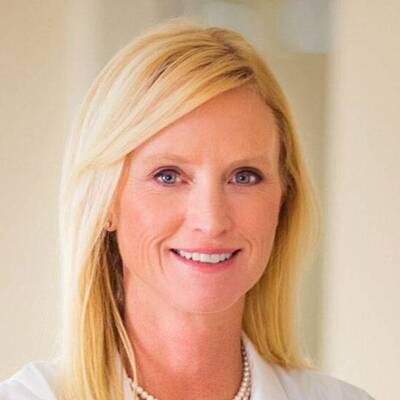
Christina Adams, MD and 13 more named clinicians
Cardiology, Scripps Clinic. Listed by the centre under "Your Executive Health Physical begins with a dedicated team of Scripps physicians", tagged Cardiology, Scripps Clinic, with a link to her Scripps physician profile.
Timely Health
Timely Health is a preventive and longevity practice on World Trade Drive in San Diego, led by Dr. Suzan Mahdai and Dr. Haider Aldiwani. Onsite testing covers DEXA whole-body and bone density scans, VO₂ max and resting metabolic rate. Memberships cover weight management, menopausal hormone care and prevention, with Galleri, Myriad and at-home sleep testing as add-ons.
Cardiovascular risk assessment is published inside the Longevity Preventive Care initial visit, cardiovascular prevention is named among the conditions the menopause membership covers, and one of the two physicians publishes women's heart health and lipid health as areas of expertise.
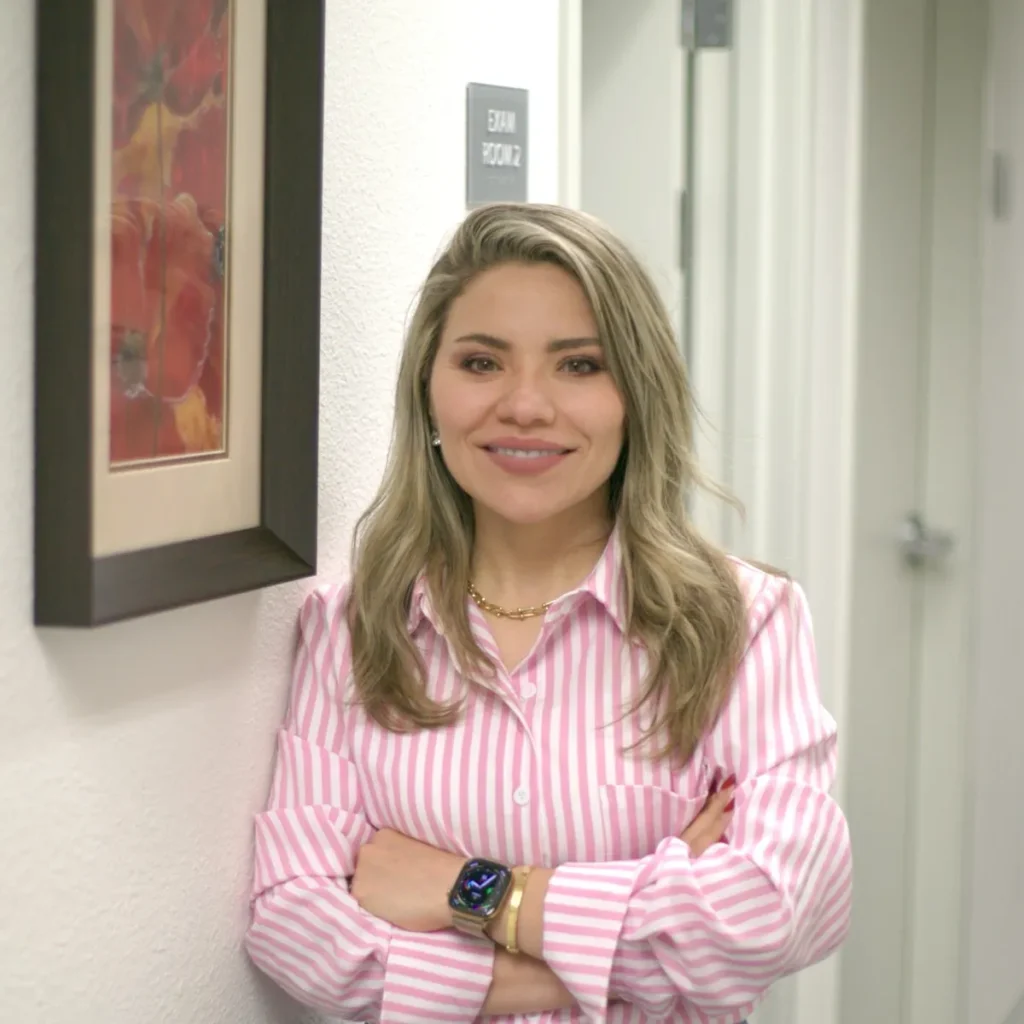
Suzan Mahdai, MD, MPH, DABOM, MSCP and 1 more named clinician
Physician. Double Board-Certified in Internal & Obesity Medicine; Menopause Society Certified Practitioner. The practice states she is a physician practicing in San Diego with advanced training in preventive medicine and women's health, and that she holds a Master's in Public Health from UCSD Human Longevity School. Published areas of expertise: obesity and weight management, women's health, menopausal hormone therapy, and preventive and longevity medicine.
Axos Imaging
Axos Imaging runs Axos360, a whole-body MRI screening programme, out of a working outpatient radiology centre in Escondido rather than a scanning boutique. Three packages scan head, neck, chest, abdomen and pelvis, with dedicated brain imaging, MR angiography and NeuroQuant volumetrics on the upper two. The top package adds a low-dose chest CT and a coronary artery calcium score.
Coronary artery calcium scoring is published as part of the 360 Plus package, by low-dose CT. The centre states the heart is one of the two organs best imaged by CT rather than MRI.
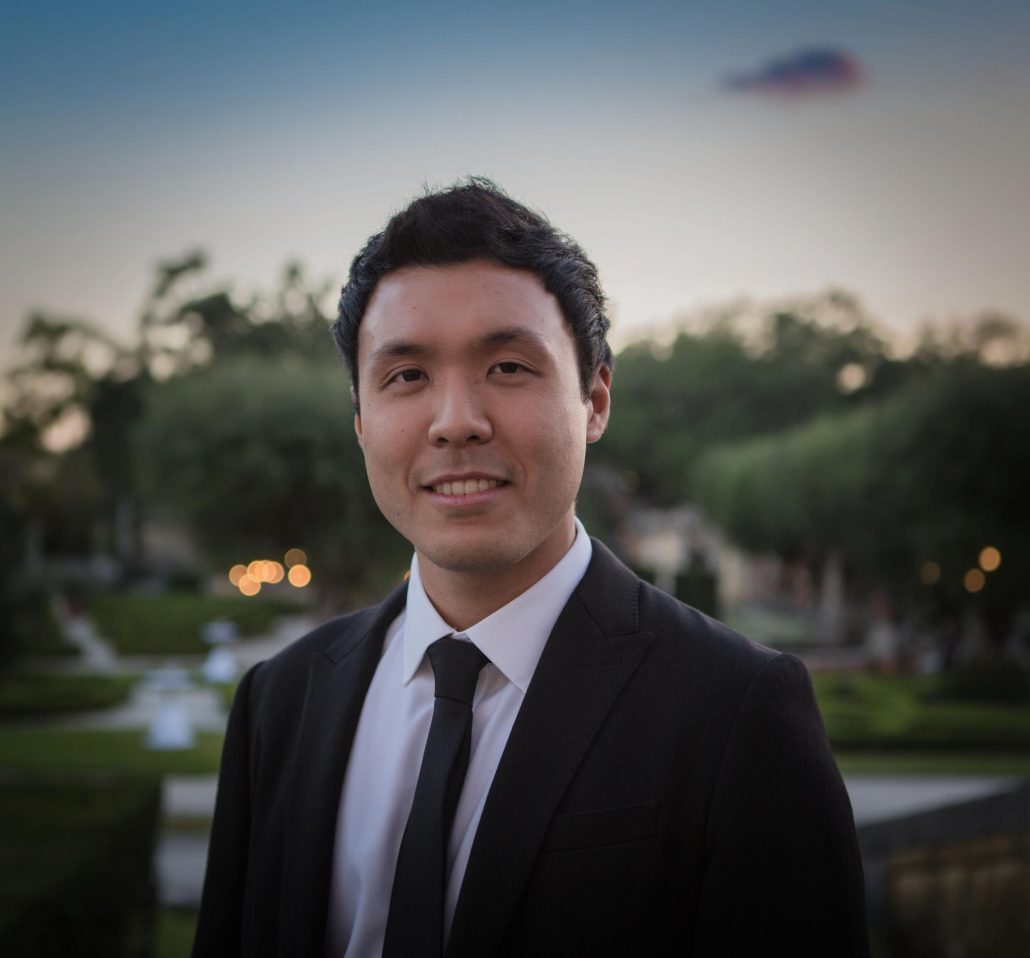
Michael Wang, MD, DABR
Radiologist. Board-Certified Radiologist. Trained at Baylor College of Medicine, Cleveland Clinic, Mount Sinai Medical Center and University of California, Irvine. Additional fellowship training in Musculoskeletal Imaging. The centre states he has performed and participated in extensive research in TBI Imaging and Image Processing.
Axos Imaging, National City
Axos Imaging's National City centre on Highland Avenue is the South Bay site of a three-location outpatient radiology group, and the one the group calls its technology flagship. It runs the Axos360 whole-body MRI screening programme in three published packages, alongside 3 Tesla MRI, 128-slice CT and walk-in X-ray for referred work.
The Plus package is published as including coronary artery calcium scoring by low-dose CT, which the group states is the better modality for the heart and lungs than MRI.
Not published
Axos Imaging publishes no named clinician for this location. It describes 'our board-certified radiologists' in the plural, and states on its Axos360 page that every scan is read by a radiologist who lives and works in San Diego.
Sharp HealthCare Employee and Executive Health and Wellness Program
Sharp HealthCare's Employee and Executive Health and Wellness Program runs from Building C at Sharp Rees-Stealy Kearny Mesa, with a second site in Rancho Bernardo. The exam is tailored to your history and finished in about two and a half hours, in a suite with a private lounge, locker and shower. The scans it names are coronary artery scoring CT, low-dose lung screening CT, bone densitometry and two ultrasounds.
The programme names CT coronary artery scoring and carotid artery plaque ultrasound among the scans it offers, and publishes heart health screenings and blood pressure among the areas the exam can cover.
Not published
Sharp publishes no named clinician for this location. The programme describes 'our expert team of doctors, nurses and administrative staff' and the Kearny Mesa location page links a general Sharp Rees-Stealy physician search.

Fontaine MD
Fontaine MD is a preventive and longevity practice in the Torrey Hills part of Carmel Valley, built on Dr. James Fontaine's stated principle that if it isn't measured, it isn't managed. Every Healthy Aging consultation opens with a medical history, body composition analysis, a comprehensive lab panel and a carotid intima-media thickness scan. Hormone therapy and a full aesthetics menu sit alongside.
The practice publishes heart attack and stroke prevention as a named service built on the BaleDoneen Method, and includes a carotid ultrasound measuring intima-media thickness in every initial Healthy Aging consultation. Its about page describes CIMT carotid scanning with plaque measurement and advanced lab panels as part of the care model.
James D. Fontaine, M.D.
Physician. Board-certified physician specializing in anti-aging, aesthetics, and preventive medicine. A graduate of the University of Southern California's Keck School of Medicine who completed an aesthetic fellowship through the American Academy of Anti-Aging Medicine and studied bioidentical hormone replacement therapy with Dr. Neal Rouzier. The practice also states he has been trained in the BaleDoneen Method of cardiovascular disease prevention and the Bredesen Protocol.
Saffron & Sage
Saffron & Sage is a members-only integrative health centre on State Street in San Diego where testing is the front door, and the testing is named: the Saffron Panel, stool microbiome analysis, micronutrient testing, the Organic Acids Test, Smart Vascular Dx and the Galleri multi-cancer blood test. Naturopathic doctors, doctors of Chinese medicine and an MD medical director read the results together.
Smart Vascular Dx is published as a non-invasive diagnostic tool used to assess vascular integrity, arterial stiffness, and overall cardiovascular disease risk, giving early warning signs of vascular dysfunction.
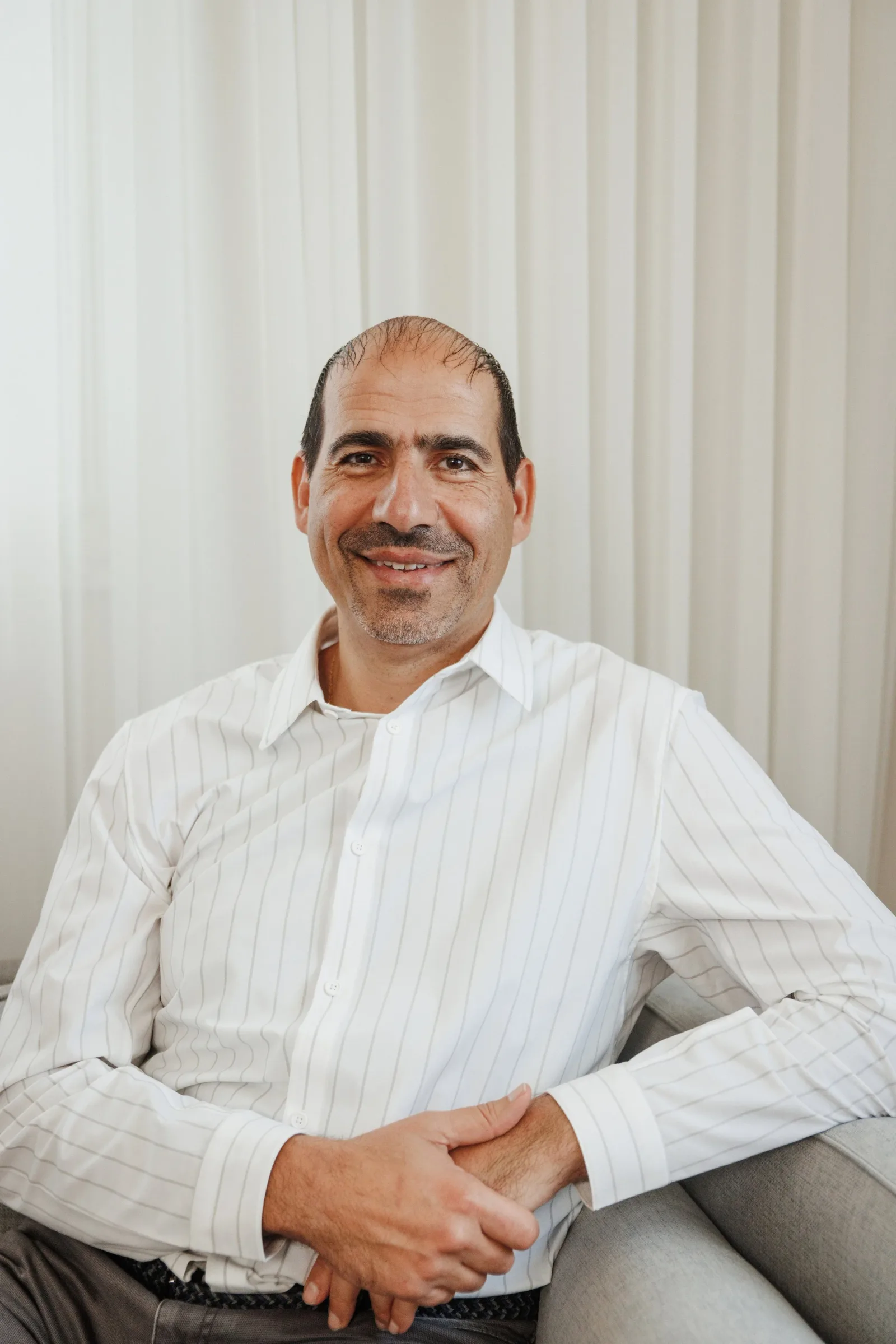
Dr. John Kasawa, MD and 8 more named clinicians
Medical Director. Published as MD and Medical Director. The site's footer states that all medical services are provided by Kasawa Medical APC dba Saffron & Sage MD.
Hormones and Wellness by SDBody, La Jolla
The La Jolla clinic of Hormones and Wellness by SDBody is a free-standing site in La Jolla village, and the only one of the practice's two clinics offering hyperbaric oxygen therapy. Care opens with one of three named lab panels, Hormone, Core or Advanced, drawn at an Optimization Intake, then runs to hormone therapy, medical weight loss, peptides, IV and NAD+, PEMF, red light, infrared sauna and cold plunge.
The Advanced Panel is published as adding inflammation markers and advanced cardiovascular risk markers, and is described as being for longevity-focused patients and anyone with more than one higher-risk factor such as age 50 and over or a family history of heart disease.
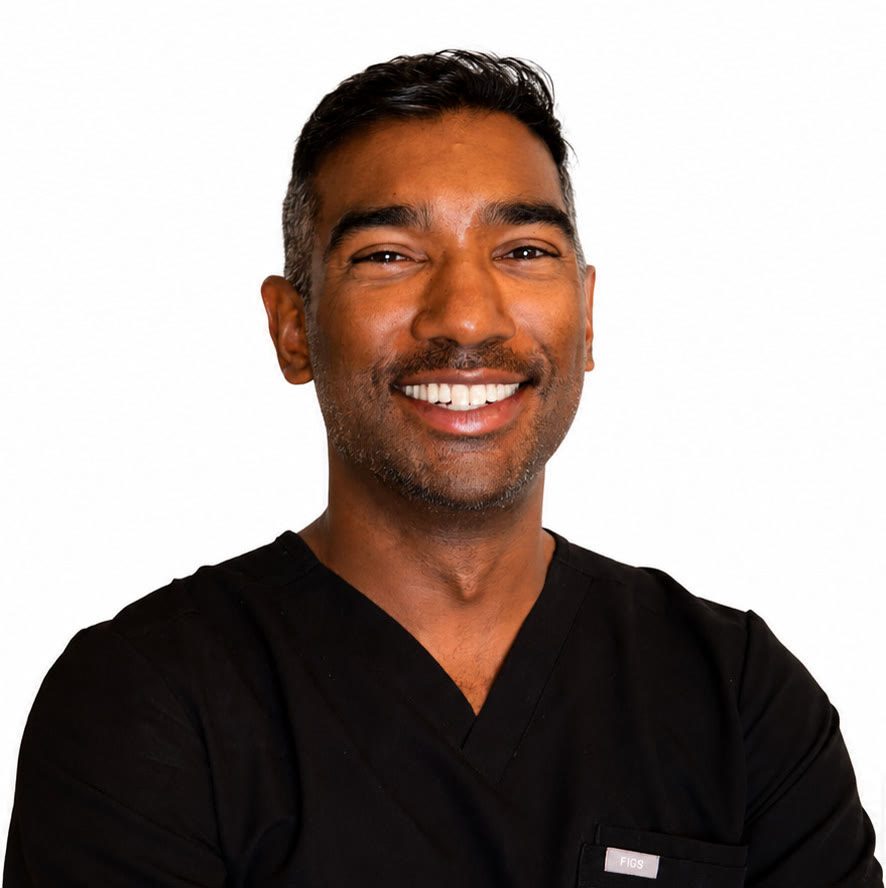
Dr. Shawn Vedamani, MD and 2 more named clinicians
Co-Founder & Medical Director. Board-certified anesthesiologist. The practice states he combines over 15 years of clinical experience with a personalized, evidence-based approach to optimizing health from the inside out, and that his philosophy centers on empowering patients through science-driven care.
Hormones and Wellness by SDBody, Mission Hills
Hormones and Wellness by SDBody in Mission Hills is the downtown clinic of a two-site physician-led practice founded by two board-certified anesthesiologists. Every care path opens with one of three named lab panels, Hormone, Core or Advanced, drawn at an Optimization Intake and read back against your symptoms. Treatment runs from hormone therapy and weight care to peptides, IV and NAD+, and recovery.
The Advanced Panel is published as adding inflammation markers and advanced cardiovascular risk markers, and is described as being for longevity-focused patients and anyone with more than one higher-risk factor such as age 50 and over or a family history of heart disease.
Dr. Shawn Vedamani, MD and 2 more named clinicians
Co-Founder & Medical Director. Board-certified anesthesiologist. The practice states he combines over 15 years of clinical experience with a personalized, evidence-based approach to optimizing health from the inside out, and that his philosophy centers on empowering patients through science-driven care.
Common questions
I feel fine and I am not old. Is there any point looking at my heart now?
The process this is aimed at starts long before symptoms do, so knowing your blood pressure and your cholesterol is worth it at any adult age. That is not the same as needing a broad package. For a younger adult with normal numbers, no smoking history and nothing early in the family, the honest answer is often that the basics are the whole answer for now, and the useful thing is knowing them and having them repeated rather than adding tests on top.
My cholesterol came back normal. Is there anything else worth knowing?
Sometimes. A standard panel can read as reassuring while ApoB, which counts the particles that actually lodge in an artery wall, tells a slightly different story. Lp(a) is a separate inherited marker, and clinical guidance treats measuring it as reasonable when heart disease has appeared early in your family. Neither one overrides a normal panel on its own; they are inputs to the same risk conversation, and their value is in whether they change what you and a clinician decide to do.
I came looking for a calcium score specifically. Where do I start?
If you already know which scan you want, our advanced heart imaging page lists the clinics near you that publish calcium scoring, CT angiography and the related artery measurements. It is worth knowing before you book that guidelines position these as a way to refine a risk decision that is already borderline, so it helps to have a clinician who will tell you what the result would change.
What does this cost, and will insurance cover any of it?
It varies widely by practice and by what is included, and many clinics discuss fees only after an initial conversation. Some individual components are commonly covered when they are guideline recommended for your age and risk, and coverage depends on your plan; broader testing bought as a package is often self-pay. Some practices sell a workup once, others fold it into a membership where repeat testing is part of what you pay for. Ask which of the two you are looking at, and how the practice handles insurance.
What happens if something comes back abnormal?
Usually it is the start of a process rather than an answer. Depending on what it is, the next step may be a repeat measurement, a targeted test or a referral, and raised risk on its own is a reason for a conversation about treatment rather than an emergency. Before booking, ask who reviews an unexpected result, how quickly you would hear, who arranges any follow-up, and whether the practice sends your records to your own doctor.
How do you decide which clinics appear on this page?
A clinic appears here when its own published material shows it offers this kind of testing at that location.
Heart & circulation in other cities
Sources
- Centers for Disease Control and Prevention, Heart Disease Facts Supports: That heart disease is the leading cause of death in the United States; That coronary heart disease is the most common form of it.
- MedlinePlus, Coronary artery disease Supports: That coronary artery disease develops slowly over time as plaque builds up inside the arteries; That some people have no symptoms at all until an event.
- U.S. Preventive Services Task Force, Hypertension in adults: screening Supports: That blood pressure measurement is an established screening test recommended for adults; That an initial raised office reading is confirmed with further measurement before treatment starts.
- U.S. Preventive Services Task Force, Statin use for the primary prevention of cardiovascular disease in adults: preventive medication Supports: That an estimated ten-year cardiovascular risk, calculated from a published equation, is what treatment decisions in primary prevention are keyed to; That the strength of the recommendation differs between higher and intermediate estimated risk.
- American College of Cardiology and American Heart Association, 2019 guideline on the primary prevention of cardiovascular disease Supports: That ten-year risk is estimated with pooled cohort equations in adults aged 40 to 75; That guidelines list additional risk-enhancing factors, including family history of premature disease; That artery imaging is positioned as a way to refine a borderline or intermediate risk decision rather than as a starting point for everyone.
- American Heart Association and American College of Cardiology, 2018 guideline on the management of blood cholesterol Supports: That ApoB is treated as a risk-enhancing factor above a defined threshold; That Lp(a) is treated as a risk-enhancing factor, and that measuring it is regarded as reasonable where there is a family history of premature cardiovascular disease.
This page is educational information, not medical advice, and it is not a recommendation to have or to skip any test. What is worth testing depends on your age, your history and your personal risk, so discuss it with a clinician who knows them. If you have chest pain, new breathlessness or another symptom that concerns you, seek a medical evaluation rather than a screening package.
Run a longevity practice in San Diego?
Claim your profile to confirm your services, introduce your clinicians and publish your own figures. Claiming is free and never changes the researched facts on this page.
Claim your profile