
Heart disease develops over decades and often causes no symptoms until late, which is why your numbers matter more than how you feel. Blood pressure, a cholesterol panel and your family history do most of the work, and ApoB and a one-off Lp(a) add real information for some people. Imaging that looks directly at the arteries can help when a treatment decision is genuinely borderline. The question worth asking a clinic is not how much it measures, but what a result would change: a medication, a target, or when you are seen again.
What a heart assessment is trying to settle
Coronary artery disease builds up slowly, and plenty of people have it for years without noticing anything at all. That is the reason it is worth looking at while you feel well: the process is already measurable, and much of what drives it can be changed.
So a heart assessment is not really asking whether something is wrong today. It is estimating how likely an event is over the coming years, and then asking whether that estimate is enough to act on. The output is a decision rather than a number, and the tests exist to make that decision less of a guess.
The few numbers that carry most of the weight
Most of what is known about your heart risk comes from a short list: blood pressure, a cholesterol panel, blood sugar, whether you smoke, and whether heart disease has appeared early in your family. None of it is exotic, and all of it is treatable.
Two additions are worth knowing by name. ApoB counts the cholesterol-carrying particles that lodge in an artery wall, which can matter when a standard panel reads as reassuring. Lp(a) is a separate inherited marker, and clinical guidance says measuring it is reasonable when heart disease has appeared early in your family.
How risk becomes a decision
Clinicians combine those inputs into an estimated chance of an event over the next ten years, using a published equation rather than an impression. At the low end and the high end, that estimate usually settles the question on its own.
The middle is where the real conversation happens. When an estimate lands in the borderline or intermediate range, national guidelines list further factors, and further testing, that can push the decision either way. That is the specific job the more advanced testing is built for: not a better picture in general, but a clearer answer to a decision that is already close.
What none of this replaces
A workup at a longevity practice generally sits on top of the blood pressure and cholesterol checks your regular doctor already does rather than instead of them. If you are due something, a broader package does not stand in for it.
Nor is any of it an answer to a symptom. Chest pressure, breathlessness that is new, or pain that comes on with effort and eases with rest needs to be assessed promptly as a symptom, not booked as screening.
Finding raised risk while you still feel well is the whole point, because blood pressure, cholesterol and blood sugar all respond to treatment. The trade-off is that broad testing in a well person also turns up findings that are incidental or hard to read, and each one can mean a repeat test, a referral and a stretch of waiting.
How a heart assessment usually goes
Practices organize this differently, but a first cardiovascular workup tends to follow the same four steps.
-
Your history and your numbers first
Family history, your own history, blood pressure measured properly, and what you have already had tested. This decides whether anything further is worth doing, and a practice that books a scan before asking is starting in the wrong place.
-
The testing itself
Usually a blood draw, sometimes imaging. Ask what your booking includes, what would be arranged separately, and what each test is expected to change.
-
Someone puts a number on the risk
The results become an estimate you can discuss: what your risk looks like over the coming years, which parts of it are modifiable, and whether treatment is worth starting now or revisiting later.
-
A plan, and a date to look again
Targets, any medication, the changes that actually move these markers, and when this gets measured again. Ask whether your own doctor receives a copy.
How the main approaches differ
Three approaches show up across these practices. They answer different questions, so comparing them line by line can mislead.
| Approach | What it does | What to know |
|---|---|---|
| Risk assessment inside ongoing care | Blood pressure, cholesterol and blood sugar followed over time by a physician who treats what they find. | This is where a raised number is most likely to actually be acted on, because someone is scheduled to look again. It is a continuing relationship rather than a single purchase. |
| A one-off advanced risk workup | A broad panel, sometimes with imaging, read once and written up as a summary. | Suits someone who has a doctor they like and wants depth once. Acting on the result, and repeating any of it, is left with you and your own physician. |
| An imaging-led assessment | A scan of the arteries at the centre, with bloodwork arranged around it. | Guidelines position artery imaging as a way to refine a decision that is already borderline rather than as a starting point for everyone. Ask what the result would change before booking it. |
Heart and circulation care at Palo Alto-Silicon Valley clinics
7 of the 10 researched Palo Alto-Silicon Valley clinic locations document a pathway for heart & circulation. Each profile below shows how the practice is organized and who it identifies as its clinical leadership.
Which of these are near you?
Palo Alto-Silicon Valley covers a wide area, and travel matters for testing and follow-up you may repeat on a schedule. Enter your ZIP code and the list below reorders by distance.
Sorting by distance never hides a clinic. Every researched practice stays on the page.
Biograph, San Francisco Bay Area
Biograph's founding clinic sits in San Mateo, on the San Francisco Peninsula. An annual membership is built around one full assessment day of twenty or more tests, including whole-body MRI, bloodwork, DEXA, VO2 max and genetic testing, with a physician-led review three weeks later. Black Membership adds cardiac and lung CT and multi-cancer early detection. People come here for a whole-body baseline.
Clinic lists a coronary calcium score, coronary CT angiography, AI coronary plaque characterization, an ECG, an advanced cardiovascular blood test and hereditary cardiovascular disease screening.
Dr. Gilberto Hernandez, MD, PhD and 1 more named clinician
Medical Director, San Francisco Bay Area clinic. MD, PhD. He "earned his medical degree from the David Geffen School of Medicine at UCLA and completed his Internal Medicine residency at Highland Hospital", and "holds a PhD in Molecular Biology from California Institute of Technology, where his research on gene regulatory networks in injured skeletal muscle deepened his understanding of cellular repair, adaptation, and physiologic resilience." Before Biograph he was "a physician with The Permanente Medical Group in Oakland, managing a diverse panel of more than 2,000 patients", over "more than a decade in internal medicine and primary care".
Biohackr Health, Palo Alto
Biohackr Health Palo Alto is the brand's second clinic, opened in 2022 on Bryant Street downtown. The menu for this location spans semaglutide weight management, aesthetic and laser treatments, IV infusion therapies, EBO2 and VO2 max testing. Registered nurses treat under supervising physician Dr. Lori Bluvas, with treatments, packages and a monthly membership. People come here for weight loss and emerging care.
A coronary calcium scan performed at Stanford University Hospital, about two miles from this clinic, alongside an advanced lipid profile measuring ApoA, ApoB, Lp(a) and homocysteine.
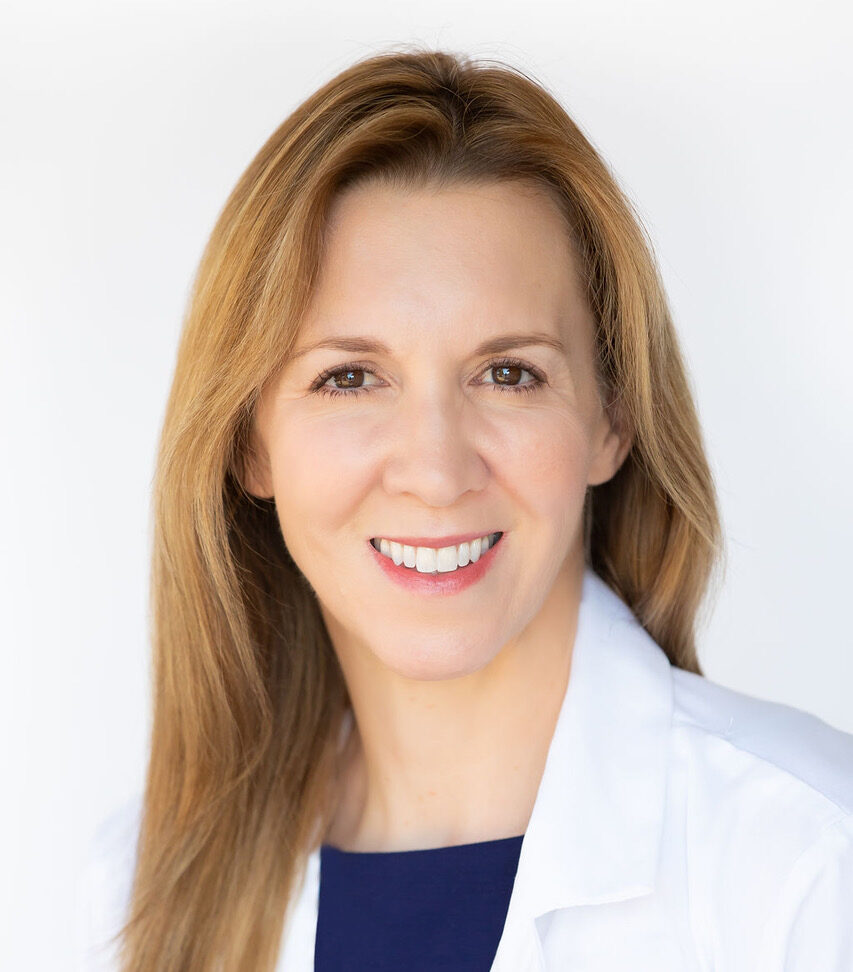
Lori Bluvas, MD and 2 more named clinicians
Co-founder and CEO; supervising physician. MD. "Dr. Lori Bluvas is a Board-Certified OB/GYN with advanced training from Brown University and the University of Minnesota… she specializes in women’s longevity, hormone optimization, and regenerative therapies." The clinic’s FAQ names her as the supervising physician for its nursing staff.

Young Naturopathic Center for Wellness
The Young Naturopathic Center for Wellness has served Los Gatos from the same location since 2004, built by Dr. Renee Young around testing. Diagnostics run from VO2 max and grip strength to a 130+ biomarker NutrEval panel, Galleri and telomere testing, with blood drawn in the office. Care is paid per visit and per test. People come here for a whole-body baseline and hormones and energy.
Clinic names cardiovascular health among the systems its advanced blood panels examine.
Renee Young, NMD and 1 more named clinician
Founder. NMD. "a pioneering Naturopathic Doctor and founder of the Young Naturopathic Center for Wellness in Los Gatos, California. With over two decades of experience, she is a clinical leader in advanced naturopathic diagnostics.".
iThriveMD, Sunnyvale
iThriveMD Sunnyvale is the South Bay clinic of a California and Arizona longevity brand, sitting inside the Revive Building just off El Camino Real. It publishes the biomarkers it measures by name across five pillars, from ApoB and lipoprotein(a) to HOMA-IR, APOE genotype and neurofilament light chain, and it treats to those numbers with GLP-1, hormone, peptide, NAD+ and IV protocols.
The cardiovascular pillar publishes the markers it tests by name: fasting lipid panel, LDL, HDL, total cholesterol, triglycerides, hs-CRP, apolipoprotein B, lipoprotein(a), glucose and insulin, and homocysteine.
Published by iThriveMD, not for this location
iThriveMD publishes one care team of twelve clinicians across the whole brand: one MD founder and eleven naturopathic doctors. The identical twelve appear on the Sunnyvale page, on the brand's home page and on its other location pages, so none of them is published as working at Sunnyvale in particular. The brand's own legal footer separately names Vishal Verma, M.D., Samir Damani, M.D., Empower Aesthetics Medical Group, Inc. and iThriveMD PC as the entities a patient may be referred to.
Company-wide role, not this location's clinician.
Nawal Johansen, MD
Nawal Johansen, MD is a single-physician concierge internal medicine practice on El Camino Real in Palo Alto, built around an annual executive physical and a preventive menu that names its tests: coronary calcium CT scanning, echocardiograms, stress testing, ECG monitoring, advanced lab testing and bone density. Dr Johansen practised at Stanford for over a decade and holds active privileges at Stanford Hospital.
The practice publishes traditional and cutting-edge cardiovascular screening tests and risk assessments, naming blood pressure and ECG monitoring, advanced lab testing, coronary calcium CT scanning, echocardiograms, stress testing and vascular testing.
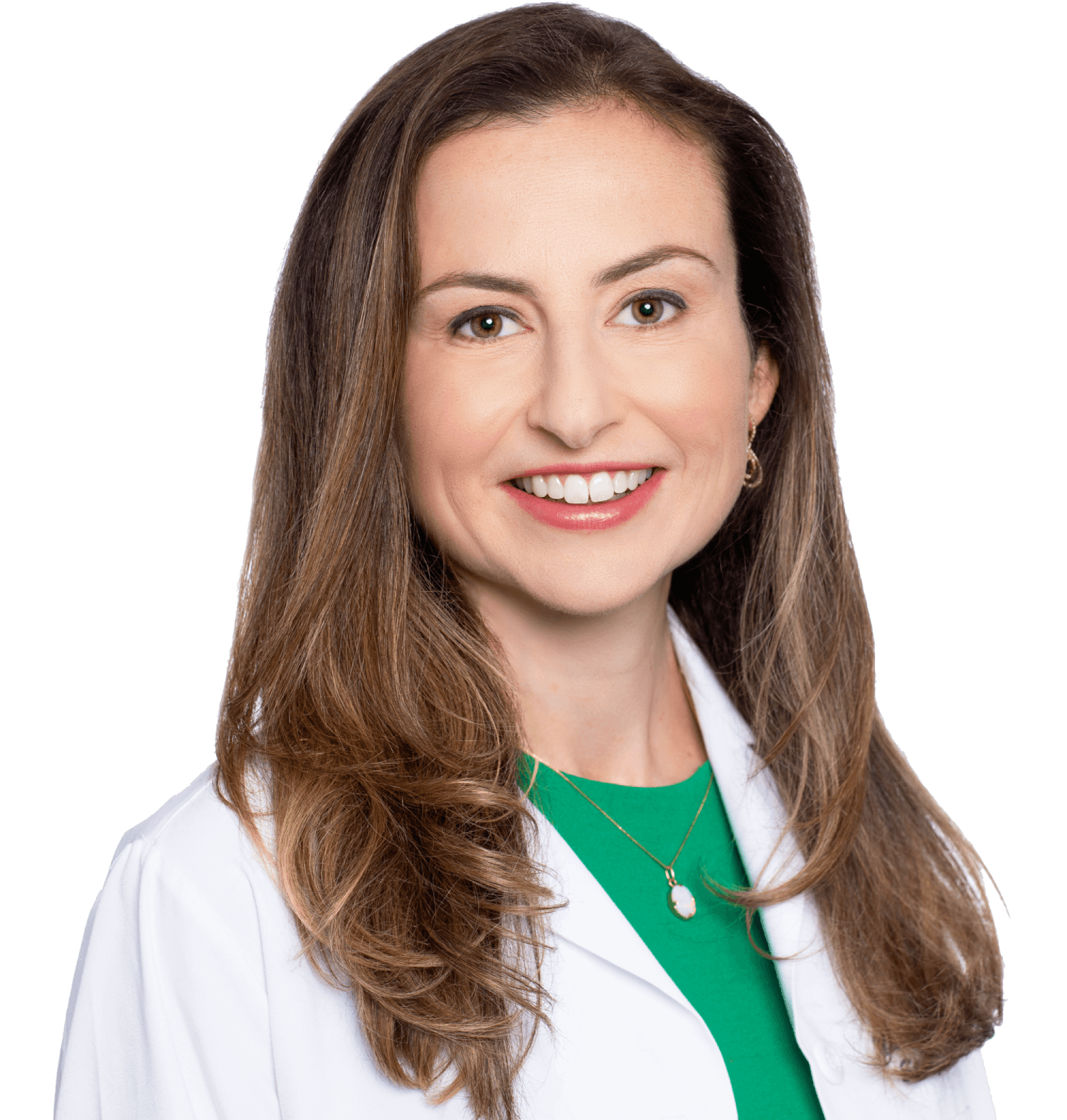
Nawal L. Atwan Johansen, MD
Founder; concierge internal medicine physician. Board-Certified in Internal Medicine and a Fellow of the American College of Physicians. Also published as a National Menopause Certified Practitioner. Graduated from Princeton University and Harvard Medical School, and completed her internship and residency in Internal Medicine at Stanford Hospital. Credentialed and on the medical staff at Stanford Hospital, a member of the Adjunct Clinical Teaching Faculty at Stanford Medical School, and holding courtesy privileges at El Camino Hospital.

PrimaryMD, San Mateo
PrimaryMD is a physician-led membership practice on South San Mateo Drive, and its diagnostic programme is named rather than described: a DEXA body-composition and bone-density scan, VO2 max, resting metabolic rate, grip strength, quarterly blood panels and one-time whole-genome sequencing. Each care team is capped at 150 members, and this is the member's everyday primary care too.
The practice names a preventive cardiologist among its four clinicians, published as specialising in preventive cardiology, lipid management and cardiovascular longevity.
Dr. Sukhjit (Sarge) Takhar, MD and 3 more named clinicians
Co-Founder & Chief Medical Officer. Board-Certified in Internal Medicine, Emergency Medicine & Infectious Disease. Specializes in personalized primary care, infectious disease, and longevity medicine. Listed against both of the practice's markets, New York City and San Francisco Bay Area.
Q Bio
Q Bio runs one clinic on Brewster Avenue in Redwood City and sells one thing: the Q Exam, a 75-minute visit capturing a non-contrast whole-body MRI across 10 sequences, 120+ blood and urine biomarkers, and a 163-gene panel. Every scan is analysed by Constellation, the company's FDA-cleared image-analysis software, read by a board-certified radiologist, and walked through with a physician in a 45-minute Data Review.
The biomarker panel is published as covering cardiometabolic and lipid markers, and wearable cardiovascular data is integrated alongside the in-clinic measurements.
Garry Choy, MD/MBA
Co-founder. Published as MD/MBA and Co-founder.
Common questions
I feel fine and I am not old. Is there any point looking at my heart now?
The process this is aimed at starts long before symptoms do, so knowing your blood pressure and your cholesterol is worth it at any adult age. That is not the same as needing a broad package. For a younger adult with normal numbers, no smoking history and nothing early in the family, the honest answer is often that the basics are the whole answer for now, and the useful thing is knowing them and having them repeated rather than adding tests on top.
My cholesterol came back normal. Is there anything else worth knowing?
Sometimes. A standard panel can read as reassuring while ApoB, which counts the particles that actually lodge in an artery wall, tells a slightly different story. Lp(a) is a separate inherited marker, and clinical guidance treats measuring it as reasonable when heart disease has appeared early in your family. Neither one overrides a normal panel on its own; they are inputs to the same risk conversation, and their value is in whether they change what you and a clinician decide to do.
I came looking for a calcium score specifically. Where do I start?
If you already know which scan you want, our advanced heart imaging page lists the clinics near you that publish calcium scoring, CT angiography and the related artery measurements. It is worth knowing before you book that guidelines position these as a way to refine a risk decision that is already borderline, so it helps to have a clinician who will tell you what the result would change.
What does this cost, and will insurance cover any of it?
It varies widely by practice and by what is included, and many clinics discuss fees only after an initial conversation. Some individual components are commonly covered when they are guideline recommended for your age and risk, and coverage depends on your plan; broader testing bought as a package is often self-pay. Some practices sell a workup once, others fold it into a membership where repeat testing is part of what you pay for. Ask which of the two you are looking at, and how the practice handles insurance.
What happens if something comes back abnormal?
Usually it is the start of a process rather than an answer. Depending on what it is, the next step may be a repeat measurement, a targeted test or a referral, and raised risk on its own is a reason for a conversation about treatment rather than an emergency. Before booking, ask who reviews an unexpected result, how quickly you would hear, who arranges any follow-up, and whether the practice sends your records to your own doctor.
How do you decide which clinics appear on this page?
A clinic appears here when its own published material shows it offers this kind of testing at that location.
Heart & circulation in other cities
Sources
- Centers for Disease Control and Prevention, Heart Disease Facts Supports: That heart disease is the leading cause of death in the United States; That coronary heart disease is the most common form of it.
- MedlinePlus, Coronary artery disease Supports: That coronary artery disease develops slowly over time as plaque builds up inside the arteries; That some people have no symptoms at all until an event.
- U.S. Preventive Services Task Force, Hypertension in adults: screening Supports: That blood pressure measurement is an established screening test recommended for adults; That an initial raised office reading is confirmed with further measurement before treatment starts.
- U.S. Preventive Services Task Force, Statin use for the primary prevention of cardiovascular disease in adults: preventive medication Supports: That an estimated ten-year cardiovascular risk, calculated from a published equation, is what treatment decisions in primary prevention are keyed to; That the strength of the recommendation differs between higher and intermediate estimated risk.
- American College of Cardiology and American Heart Association, 2019 guideline on the primary prevention of cardiovascular disease Supports: That ten-year risk is estimated with pooled cohort equations in adults aged 40 to 75; That guidelines list additional risk-enhancing factors, including family history of premature disease; That artery imaging is positioned as a way to refine a borderline or intermediate risk decision rather than as a starting point for everyone.
- American Heart Association and American College of Cardiology, 2018 guideline on the management of blood cholesterol Supports: That ApoB is treated as a risk-enhancing factor above a defined threshold; That Lp(a) is treated as a risk-enhancing factor, and that measuring it is regarded as reasonable where there is a family history of premature cardiovascular disease.
This page is educational information, not medical advice, and it is not a recommendation to have or to skip any test. What is worth testing depends on your age, your history and your personal risk, so discuss it with a clinician who knows them. If you have chest pain, new breathlessness or another symptom that concerns you, seek a medical evaluation rather than a screening package.
Run a longevity practice in Palo Alto-Silicon Valley?
Claim your profile to confirm your services, introduce your clinicians and publish your own figures. Claiming is free and never changes the researched facts on this page.
Claim your profile