
Cancer screening is testing in people with no symptoms, hoping to find cancer early enough that treatment works better. A few screens have decades of evidence behind them, recommended by age and risk: cervical, breast, colorectal, and lung screening for people with a smoking history. Longevity clinics add to that foundation rather than replace it: whole-body imaging, multi-cancer blood tests, inherited-risk panels. Those can find something early, and can raise questions that take more testing to settle. The useful question is not what a clinic looks at, but what it does when a result is unclear.
What cancer screening is actually trying to do
Screening and diagnosis are different jobs, and mixing them up is the most common confusion here. A diagnostic test asks why you have a symptom you noticed. A screening test is offered to people who feel well, on the chance that something is growing quietly. So screening is judged on a harder question than "did it find anything": whether people who get screened do better than those who do not.
For a few cancers, long trials have answered that question, and the answer is yes at particular ages and risk levels. For much of the newer testing sold today, the studies are still running. Both appear on the same clinic menu in the same tone of voice, so it helps to know which of the two a service is.
The screens with the strongest evidence behind them
National expert panels review the trial evidence and publish which screens are recommended, at which ages and how often. The list is short by design: a screen earns a recommendation only when its benefit clearly outweighs its harm across a whole population. Cervical, breast and colorectal screening, and lung screening for people with a significant smoking history, are the core of it.
People at higher risk are a separate case. A strong family history, an inherited genetic variant or a previous cancer can change what is recommended, when it starts and how often it repeats. That is worth settling with a clinician who knows your history before you buy a broader test, because it may change which test is useful.
The newer testing, and what is still being worked out
Two additions turn up most often at longevity practices. Whole-body MRI images much of the body in one sitting, without radiation, looking for anything that should not be there. Multi-cancer detection blood tests, sometimes called liquid biopsies, look in a blood sample for signals that may be shed by cancer cells, intended to flag several cancers from one draw.
A national research network is running trials on these tests because nobody yet knows how much difference they make to how long people live. The radiology profession has said there is not sufficient evidence to recommend total-body screening for people with no symptoms, risk factors or suggestive family history. That is not to say these tests find nothing, only that the case that finding it this way helps you has not been made as it has for the established screens.
How this fits with your regular doctor
A clinic offering a whole-body scan is generally not taking over the age- and risk-appropriate screening your regular doctor already recommends. If you are due a colonoscopy, an MRI is not a substitute for it: the two look for different things.
Nor is any of this a diagnosis service. A new lump, a change you have noticed, unexplained bleeding or weight loss needs a medical evaluation promptly, not a screening package.
Finding a cancer before it causes symptoms can mean simpler treatment and a better outcome, which is the whole reason screening exists. The trade-off is that broad testing in a well person also produces findings that are harmless or ambiguous, and each of those can mean more scans, more waiting and more worry before it is resolved.
How a screening visit usually goes
Practices organize this differently, but a first screening visit tends to follow the same four steps.
-
A risk conversation first
Family history, personal history, smoking, known genetic findings and previous results. This decides which tests are worth doing; a practice that books a scan before having it is starting in the wrong place.
-
The testing itself
Whatever was agreed: imaging, a blood draw, an inherited-risk panel, or catching up on a guideline screen you are due. Ask what is included in what you booked and what would be arranged separately.
-
A result you can understand
Someone should walk you through what was found, what was not looked at, and how confident the result is. Ask who reads your scan or sample, and whether they specialize in it.
-
What happens next
A clear result means a plan for when to repeat. An unclear one means a defined next step. Ask who arranges follow-up testing, and whether the practice sends your records to your own doctor.
How the main approaches differ
Three approaches show up across these practices. They are built to answer different questions, so comparing them line by line can mislead.
| Approach | What it does | What to know |
|---|---|---|
| Guideline-based screening by organ | The established screens, offered at the ages and intervals current recommendations set, adjusted upward for people at higher risk. | This is the foundation, and the part with long trial evidence behind it. Some longevity practices deliver it themselves; others assume your regular doctor is handling it, so it is worth confirming which. |
| Whole-body MRI | Images much of the body in one session without radiation, looking broadly for anything unexpected rather than for one named cancer. | Intended as an addition to guideline screening, not a replacement for it, and professional bodies have not recommended it for people without symptoms or risk factors. |
| Multi-cancer detection blood tests | Looks in a blood sample for signals that may be shed by cancer cells, intended to flag several cancers from a single draw. | A positive signal needs further testing to confirm and to locate. A negative result does not rule cancer out, and does not remove the need for the screens you are due. |
Cancer screening at Palo Alto-Silicon Valley clinics
6 of the 10 researched Palo Alto-Silicon Valley clinic locations document a pathway for cancer risk & screening. Each profile below shows how the practice is organized and who it identifies as its clinical leadership.
Which of these are near you?
Palo Alto-Silicon Valley covers a wide area, and travel matters for a test you may repeat. Enter your ZIP code and the list below reorders by distance.
Sorting by distance never hides a clinic. Every researched practice stays on the page.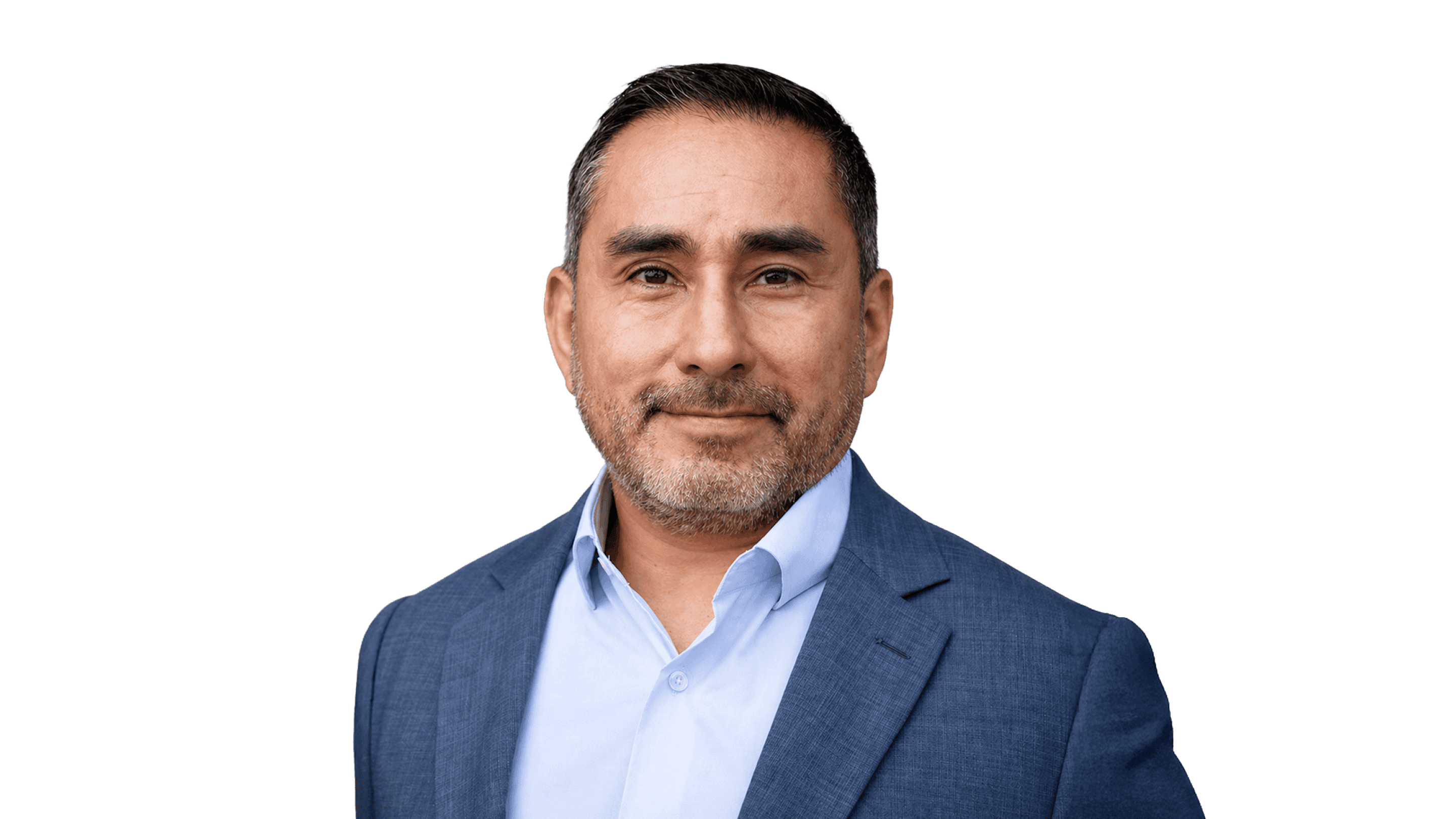
Biograph, San Francisco Bay Area
Biograph's founding clinic sits in San Mateo, on the San Francisco Peninsula. An annual membership is built around one full assessment day of twenty or more tests, including whole-body MRI, bloodwork, DEXA, VO2 max and genetic testing, with a physician-led review three weeks later. Black Membership adds cardiac and lung CT and multi-cancer early detection. People come here for a whole-body baseline.
Clinic lists whole-body MRI as whole-body cancer screening, a multi-cancer early detection blood test, a low-dose lung CT and hereditary cancer gene testing, and states this "augments and extends traditional guideline-based screening protocols" rather than replacing it.
Dr. Gilberto Hernandez, MD, PhD and 1 more named clinician
Medical Director, San Francisco Bay Area clinic. MD, PhD. He "earned his medical degree from the David Geffen School of Medicine at UCLA and completed his Internal Medicine residency at Highland Hospital", and "holds a PhD in Molecular Biology from California Institute of Technology, where his research on gene regulatory networks in injured skeletal muscle deepened his understanding of cellular repair, adaptation, and physiologic resilience." Before Biograph he was "a physician with The Permanente Medical Group in Oakland, managing a diverse panel of more than 2,000 patients", over "more than a decade in internal medicine and primary care".
Biohackr Health, Palo Alto
Biohackr Health Palo Alto is the brand's second clinic, opened in 2022 on Bryant Street downtown. The menu for this location spans semaglutide weight management, aesthetic and laser treatments, IV infusion therapies, EBO2 and VO2 max testing. Registered nurses treat under supervising physician Dr. Lori Bluvas, with treatments, packages and a monthly membership. People come here for weight loss and emerging care.
The Benchmark program includes a Galleri cell-free DNA blood test the clinic says can detect over 50 types of cancer, plus a Natera panel screening over 40 genes linked to hereditary cancer risk, with the gene list published in full.
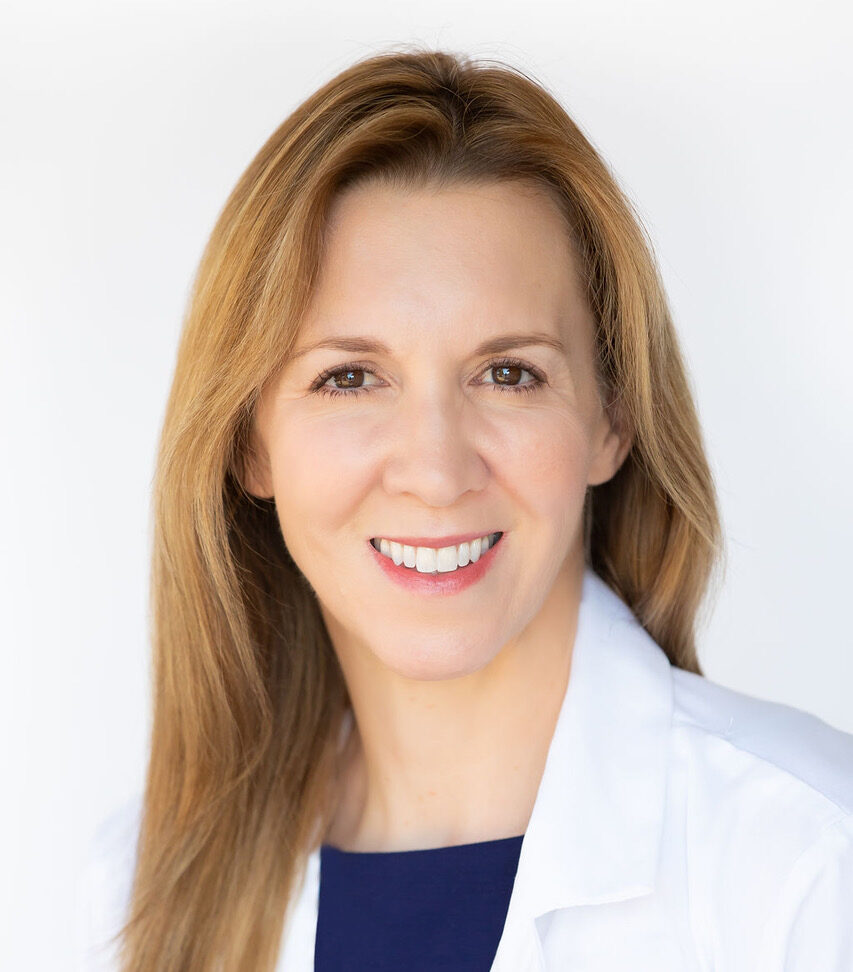
Lori Bluvas, MD and 2 more named clinicians
Co-founder and CEO; supervising physician. MD. "Dr. Lori Bluvas is a Board-Certified OB/GYN with advanced training from Brown University and the University of Minnesota… she specializes in women’s longevity, hormone optimization, and regenerative therapies." The clinic’s FAQ names her as the supervising physician for its nursing staff.
Prenuvo, Redwood City
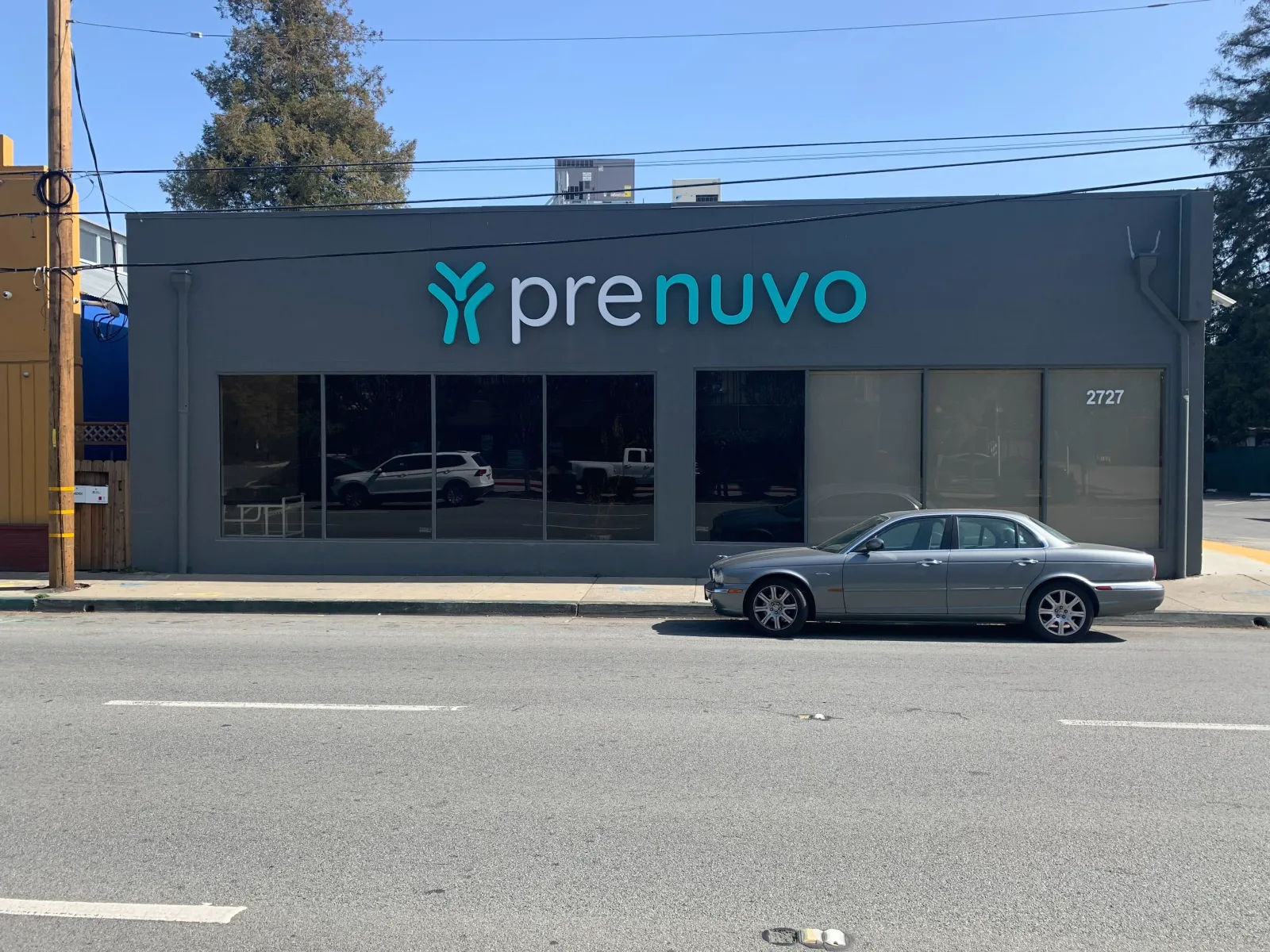
Prenuvo's Bay Area clinic is a dedicated whole-body MRI screening center on El Camino Real in Redwood City. Single scans and annual membership tiers run from a focused head-to-mid-thigh scan to the full Whole Body Scan, each with a Prenuvo Results Review. Booking runs online, with scans of roughly 45 to 75 minutes. People come here to establish a whole-body baseline.
Clinic positions the Focused Scan as part of a multi-cancer detection strategy while stating it is an adjunct to guideline screening, not a replacement.
Published by Prenuvo, not for this location
Prenuvo publishes medical leadership for the organisation, not for this clinic. It names country-level medical directors for the UK, Australia and Canada and none for the United States, and nobody at all for Redwood City. The person you actually speak to is described only as "a licensed Prenuvo provider, either a nurse practitioner or physician", assigned by availability and state licensure, so no individual can be named in advance.
Company-wide role, not this location's clinician.
iThriveMD, Sunnyvale
iThriveMD Sunnyvale is the South Bay clinic of a California and Arizona longevity brand, sitting inside the Revive Building just off El Camino Real. It publishes the biomarkers it measures by name across five pillars, from ApoB and lipoprotein(a) to HOMA-IR, APOE genotype and neurofilament light chain, and it treats to those numbers with GLP-1, hormone, peptide, NAD+ and IV protocols.
The cancer prevention pillar publishes a metabolic and inflammation panel, vitamin D, colon cancer screening results, genetic screening for hereditary cancer syndromes, hormone levels, liver ultrasound and the AFP tumour marker, and the brand separately publishes a Full Body MRI under Diagnostics.
Published by iThriveMD, not for this location
iThriveMD publishes one care team of twelve clinicians across the whole brand: one MD founder and eleven naturopathic doctors. The identical twelve appear on the Sunnyvale page, on the brand's home page and on its other location pages, so none of them is published as working at Sunnyvale in particular. The brand's own legal footer separately names Vishal Verma, M.D., Samir Damani, M.D., Empower Aesthetics Medical Group, Inc. and iThriveMD PC as the entities a patient may be referred to.
Company-wide role, not this location's clinician.
Nawal Johansen, MD
Nawal Johansen, MD is a single-physician concierge internal medicine practice on El Camino Real in Palo Alto, built around an annual executive physical and a preventive menu that names its tests: coronary calcium CT scanning, echocardiograms, stress testing, ECG monitoring, advanced lab testing and bone density. Dr Johansen practised at Stanford for over a decade and holds active privileges at Stanford Hospital.
Comprehensive cancer screening evaluations and tests are published, covering both routine and emerging cancer screening modalities, with recommendations built from the patient's personal health profile. Breast cancer screening and pap smears are named separately.
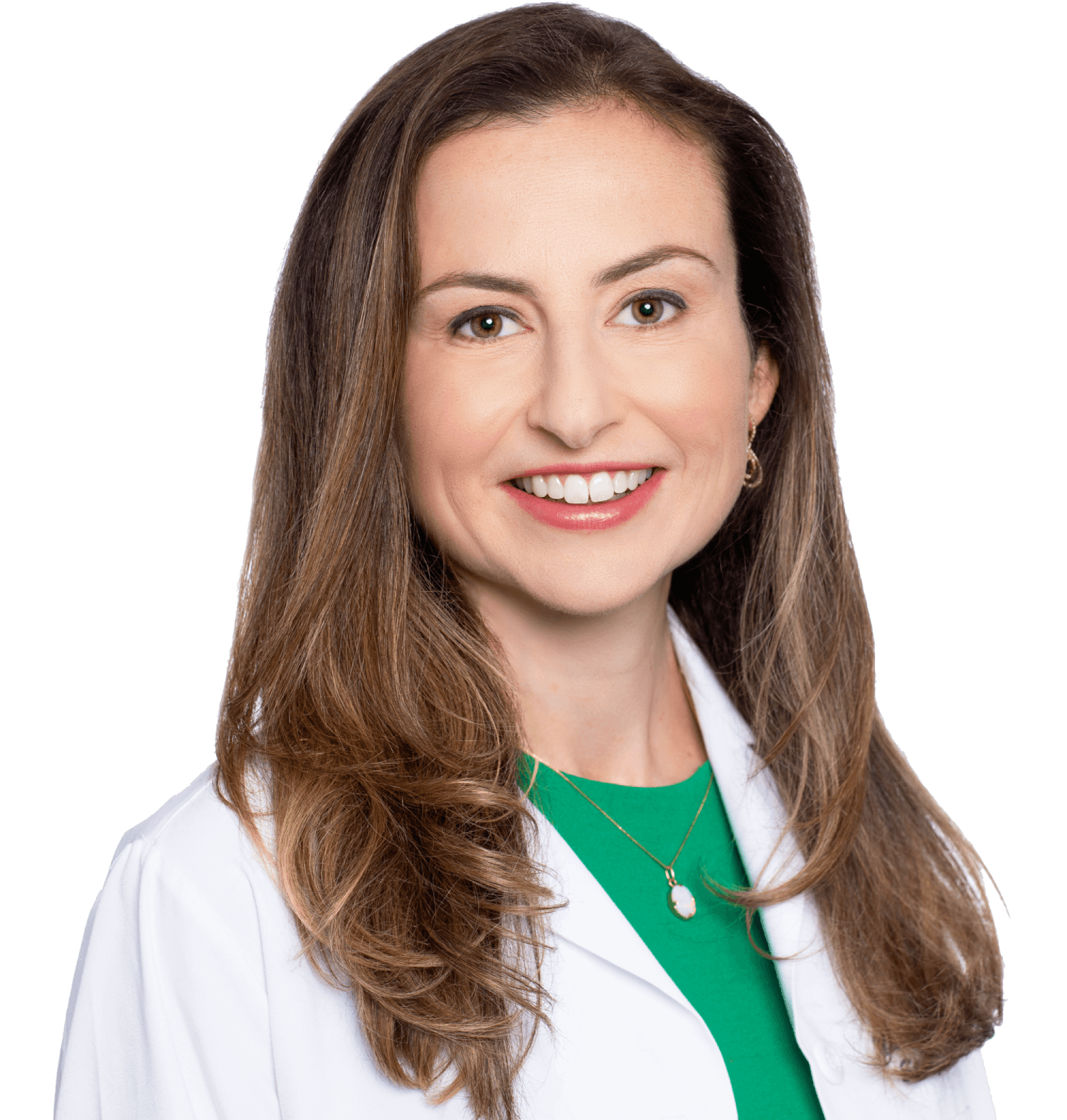
Nawal L. Atwan Johansen, MD
Founder; concierge internal medicine physician. Board-Certified in Internal Medicine and a Fellow of the American College of Physicians. Also published as a National Menopause Certified Practitioner. Graduated from Princeton University and Harvard Medical School, and completed her internship and residency in Internal Medicine at Stanford Hospital. Credentialed and on the medical staff at Stanford Hospital, a member of the Adjunct Clinical Teaching Faculty at Stanford Medical School, and holding courtesy privileges at El Camino Hospital.
Q Bio
Q Bio runs one clinic on Brewster Avenue in Redwood City and sells one thing: the Q Exam, a 75-minute visit capturing a non-contrast whole-body MRI across 10 sequences, 120+ blood and urine biomarkers, and a 163-gene panel. Every scan is analysed by Constellation, the company's FDA-cleared image-analysis software, read by a board-certified radiologist, and walked through with a physician in a 45-minute Data Review.
The non-contrast whole-body MRI covers brain, thoracic, abdominal and pelvic imaging across 10 sequences, with a board-certified radiologist reading every scan and flagging findings, and the company publishes an anonymised case of an imaging finding that prompted urgent oncology follow-up.
Garry Choy, MD/MBA
Co-founder. Published as MD/MBA and Co-founder.
Common questions
Is a whole-body scan better than the standard screening tests?
They are not alternatives to each other. The standard screens are recommended because trials showed they help at particular ages and risk levels, and each looks closely at one part of the body. A whole-body scan looks broadly across many parts, less closely at each, and has not been shown to improve outcomes in people without symptoms or risk factors. Practices that offer scanning generally present it as an addition to guideline screening rather than a substitute.
Can a blood test really detect several cancers at once?
Multi-cancer detection tests look for biological signals in blood that may come from cancer cells. A signal is a reason for further testing, not a diagnosis, and the follow-up needed to confirm and locate anything can take time. A negative result does not mean cancer is absent, and it does not replace the screens you are due. Research networks are running trials now on how much difference these tests make.
What does cancer screening at a longevity clinic cost?
It varies widely by practice and by what is included, and many clinics discuss fees only after an initial conversation. Some sell a scan or a test as a single purchase, others fold screening into a membership alongside ongoing care.
Will insurance cover it?
Guideline-recommended screening is often covered, and coverage rules depend on your plan, your age and your risk category. Additional testing such as whole-body imaging or a multi-cancer blood test is commonly self-pay. Practices differ in whether they bill insurance at all, so ask each one directly how it handles both parts.
What if a scan or test finds something?
A finding is usually the start of a process rather than an answer. Depending on what it is, the next step may be a targeted scan, a specialist referral or a biopsy, and many findings turn out to be harmless. Before booking, ask who reviews an abnormal result, how quickly you would hear, who arranges the follow-up, and whether the practice sends your records to your own doctor.
How do you decide which clinics appear on this page?
A clinic appears here when its own published material shows it offers cancer screening at that location.
Cancer risk & screening in other cities
Sources
- U.S. Preventive Services Task Force, A and B recommendations Supports: Which cancer screens are recommended, and for which ages and risk levels; That recommendations, not individual clinics, set screening intervals.
- National Cancer Institute, Cancer screening overview Supports: That screening is testing done in people without symptoms; That screening carries harms as well as benefits, including findings that turn out to be harmless.
- National Cancer Institute, What cancer screening tests check for cancer? Supports: Which screening tests are established and what each one looks at; That a screening result may need further testing to confirm.
- National Cancer Institute, Questions and answers about multi-cancer detection tests Supports: What a multi-cancer detection blood test measures; That a positive signal requires follow-up testing and a negative result does not rule cancer out; That trials on whether these tests improve outcomes are still under way.
- American College of Radiology, statement on screening total body MRI Supports: That there is not sufficient evidence to recommend total-body screening for people with no symptoms, risk factors or suggestive family history.
This page is educational information, not medical advice, and it is not a recommendation to have or to skip any test. Which screening is right for you depends on your age, your family history and your personal risk, so discuss it with a clinician who knows your history. If you have a symptom that concerns you, seek a medical evaluation rather than a screening package.
Run a longevity practice in Palo Alto-Silicon Valley?
Claim your profile to confirm your services, introduce your clinicians and publish your own figures. Claiming is free and never changes the researched facts on this page.
Claim your profile