
Cancer screening is testing in people with no symptoms, hoping to find cancer early enough that treatment works better. A few screens have decades of evidence behind them, recommended by age and risk: cervical, breast, colorectal, and lung screening for people with a smoking history. Longevity clinics add to that foundation rather than replace it: whole-body imaging, multi-cancer blood tests, inherited-risk panels. Those can find something early, and can raise questions that take more testing to settle. The useful question is not what a clinic looks at, but what it does when a result is unclear.
What cancer screening is actually trying to do
Screening and diagnosis are different jobs, and mixing them up is the most common confusion here. A diagnostic test asks why you have a symptom you noticed. A screening test is offered to people who feel well, on the chance that something is growing quietly. So screening is judged on a harder question than "did it find anything": whether people who get screened do better than those who do not.
For a few cancers, long trials have answered that question, and the answer is yes at particular ages and risk levels. For much of the newer testing sold today, the studies are still running. Both appear on the same clinic menu in the same tone of voice, so it helps to know which of the two a service is.
The screens with the strongest evidence behind them
National expert panels review the trial evidence and publish which screens are recommended, at which ages and how often. The list is short by design: a screen earns a recommendation only when its benefit clearly outweighs its harm across a whole population. Cervical, breast and colorectal screening, and lung screening for people with a significant smoking history, are the core of it.
People at higher risk are a separate case. A strong family history, an inherited genetic variant or a previous cancer can change what is recommended, when it starts and how often it repeats. That is worth settling with a clinician who knows your history before you buy a broader test, because it may change which test is useful.
The newer testing, and what is still being worked out
Two additions turn up most often at longevity practices. Whole-body MRI images much of the body in one sitting, without radiation, looking for anything that should not be there. Multi-cancer detection blood tests, sometimes called liquid biopsies, look in a blood sample for signals that may be shed by cancer cells, intended to flag several cancers from one draw.
A national research network is running trials on these tests because nobody yet knows how much difference they make to how long people live. The radiology profession has said there is not sufficient evidence to recommend total-body screening for people with no symptoms, risk factors or suggestive family history. That is not to say these tests find nothing, only that the case that finding it this way helps you has not been made as it has for the established screens.
How this fits with your regular doctor
A clinic offering a whole-body scan is generally not taking over the age- and risk-appropriate screening your regular doctor already recommends. If you are due a colonoscopy, an MRI is not a substitute for it: the two look for different things.
Nor is any of this a diagnosis service. A new lump, a change you have noticed, unexplained bleeding or weight loss needs a medical evaluation promptly, not a screening package.
Finding a cancer before it causes symptoms can mean simpler treatment and a better outcome, which is the whole reason screening exists. The trade-off is that broad testing in a well person also produces findings that are harmless or ambiguous, and each of those can mean more scans, more waiting and more worry before it is resolved.
How a screening visit usually goes
Practices organize this differently, but a first screening visit tends to follow the same four steps.
-
A risk conversation first
Family history, personal history, smoking, known genetic findings and previous results. This decides which tests are worth doing; a practice that books a scan before having it is starting in the wrong place.
-
The testing itself
Whatever was agreed: imaging, a blood draw, an inherited-risk panel, or catching up on a guideline screen you are due. Ask what is included in what you booked and what would be arranged separately.
-
A result you can understand
Someone should walk you through what was found, what was not looked at, and how confident the result is. Ask who reads your scan or sample, and whether they specialize in it.
-
What happens next
A clear result means a plan for when to repeat. An unclear one means a defined next step. Ask who arranges follow-up testing, and whether the practice sends your records to your own doctor.
How the main approaches differ
Three approaches show up across these practices. They are built to answer different questions, so comparing them line by line can mislead.
| Approach | What it does | What to know |
|---|---|---|
| Guideline-based screening by organ | The established screens, offered at the ages and intervals current recommendations set, adjusted upward for people at higher risk. | This is the foundation, and the part with long trial evidence behind it. Some longevity practices deliver it themselves; others assume your regular doctor is handling it, so it is worth confirming which. |
| Whole-body MRI | Images much of the body in one session without radiation, looking broadly for anything unexpected rather than for one named cancer. | Intended as an addition to guideline screening, not a replacement for it, and professional bodies have not recommended it for people without symptoms or risk factors. |
| Multi-cancer detection blood tests | Looks in a blood sample for signals that may be shed by cancer cells, intended to flag several cancers from a single draw. | A positive signal needs further testing to confirm and to locate. A negative result does not rule cancer out, and does not remove the need for the screens you are due. |
Cancer screening at Greater Boston clinics
9 of the 22 researched Greater Boston clinic locations document a pathway for cancer risk & screening. Each profile below shows how the practice is organized and who it identifies as its clinical leadership.
Which of these are near you?
Greater Boston covers a wide area, and travel matters for a test you may repeat. Enter your ZIP code and the list below reorders by distance.
Sorting by distance never hides a clinic. Every researched practice stays on the page.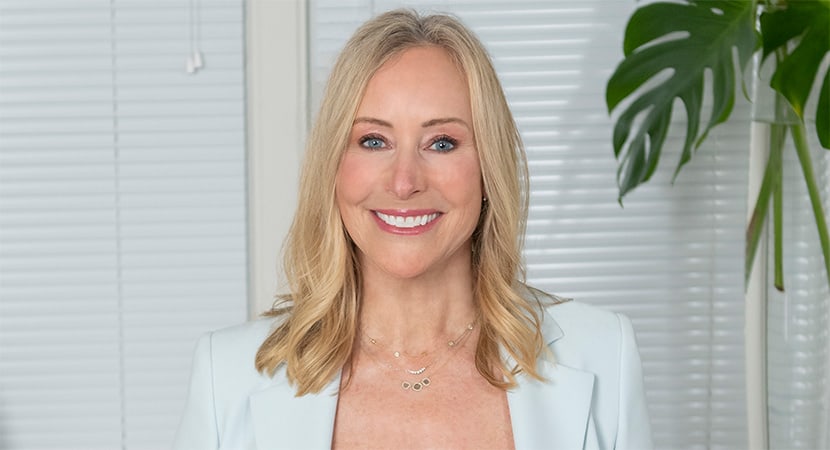
Ahn Point Wellness
Ahn Point Wellness is a specialist physician-led practice in Wellesley pairing integrative gastroenterology with longevity care. Services span hormone evaluation and therapy, metabolic and nutritional medicine, genomics, and GI procedures including endoscopy and colonoscopy. People come here for hormones and energy, biological-age insight, and a whole-body baseline.
Clinic publishes colonoscopy to look for polyps in the colon and screen for colon cancer, and publishes the Galleri multi-cancer early detection blood test alongside standard screening.
Lynne Ahn, MD, FAARM
Founder and medical lead. Board certified in Gastroenterology (ABIM); Anti-Aging & Regenerative Medicine (ABAARM).
Optimal Wellness MD
Optimal Wellness MD is a single-physician anti-aging and functional medicine practice in Lynnfield. Care spans hormone health and bioidentical hormone therapy, weight management, genetic and hormone testing, and treatments from IV therapy to PRP procedures. One physician carries the whole relationship. People come here for hormones and energy, midlife and menopause care, and a whole-body baseline.
Clinic publishes a Grail blood test for cancer DNA, whole-body MRI imaging and breast thermography on its advanced testing pages.
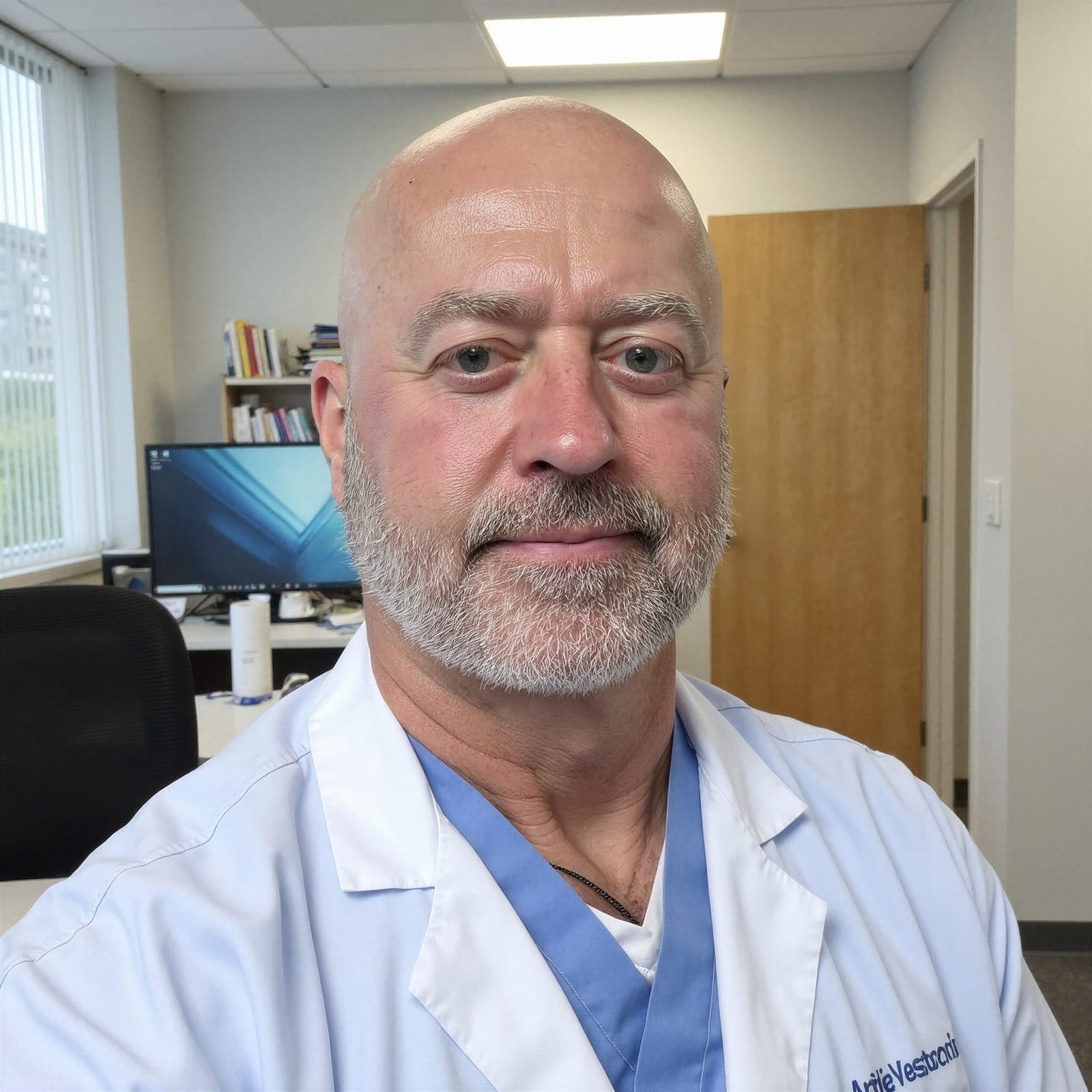
Joseph Kaye, MD
Lead physician. Board certified in Internal Medicine, Emergency Medicine, Anti-Aging Medicine, and Integrative/Functional Medicine. The clinic states he has cared for more than 15,000 patients.

Lutanen Health
Lutanen Health is a membership-based concierge primary care and longevity practice in Boston's Back Bay. A small team is built around long-term physician relationships, with direct access, personalized prevention plans, and private health management. Advanced options include genetic insights, imaging, and metabolic assessments.
Clinic lists genetics-guided MRI, liquid biopsy and molecular risk profiling under cancer detection and prevention.
Jay Luthar, MD and 3 more named clinicians
Founder and Medical Director. Certified in Internal, Integrative and Lifestyle Medicine (issuing boards not stated). Instructor in Medicine, part-time, at Harvard Medical School and a faculty mentor for the Osher Center Integrative Medicine Fellowship.
Next Health, Chestnut Hill
Next Health is a health-optimization center in Chestnut Hill combining functional biomarker testing with physician-guided programs. Its menu spans hormone and weight optimization, executive physicals, and wellness technologies including cryotherapy, hyperbaric oxygen and therapeutic plasma exchange. Care runs as a membership with a-la-carte services. People come here to explore advanced and emerging care.
The Galleri multi-cancer early detection blood test is offered here.
Published by Next Health, not for this location
Next Health publishes no named clinician for this location. The two clinicians it names on its About page are published for the company, and Nathan Byrnes, APNP, is published as Head of Medical for Nashville.
Company-wide role, not this location's clinician.

Personal Health MD
Personal Health MD is a concierge primary care practice in Boston's Back Bay, founded in 2011. Board-certified physicians keep panels of about 150 patients, with prevention-focused annual physicals and a broad on-site procedure list. Diagnostics span cancer DNA blood screening, whole-genome testing, and in-home sleep monitoring. People come here for a whole-body baseline and early cancer screening.
Clinic lists cancer DNA blood screening alongside colonoscopy, mammogram, Pap and PSA screening, breast cancer risk assessment and a prostate cancer screening plan.
Lisa McGonigal, MD, MPH and 1 more named clinician
Family medicine physician. Board certified in Family Medicine and Preventive Medicine; Lifestyle Medicine (ABLM). The practice’s accepting physician.

Healthspan Longevity
Healthspan Longevity is a longevity testing and diagnostics center in downtown Westborough. Its menu centers on DEXA scans and tiered blood panels, with multi-cancer early detection testing also published. Each test is booked individually through the clinic's online scheduler, with weight loss as a separate program. People come here for a whole-body baseline, early cancer screening, and body-composition measurement.
Clinic lists the Galleri multi-cancer early detection test, a blood test it describes as looking for signals associated with over 50 types of cancer, and says the draw can be done at home. It also names the test in its executive and employer program.
Dr. Paul Currier and 1 more named clinician
Medical Director. "Dr. Currier is the Medical Director and not the practicing physician.". He appears on the Healthspan Longevity service pages only as the line "Medically Reviewed By Dr. Paul Currier", above the article body, on the contact page and on the Galleri, Alzheimer's, oral pathogen and vascular scan pages. The sister site Westborough Concierge Primary Care describes the practice as "Created by Dr. Paul Currier and the team behind Healthspan Longevity" and adds, in its own words, that he "is the Medical Director and not the practicing physician." None of this is a certification claim, because the clinic does not make one.

Goodhaven Health
Goodhaven Health is a concierge primary care practice on Walnut Street in Wellesley, built around Dr. Daniel Witt. Its annual Executive Physical names the Galleri cancer screening test, lung function testing and advanced cardiovascular and metabolic risk assessment, and the practice also publishes DEXA body composition and GLP-1 weight care. Members get same-day visits and direct phone and text access.
The Executive Physical list names advanced cancer screening with the Galleri test.
Dr. Daniel Witt
Physician and Practice Owner. Board certified by the American Board of Internal Medicine. Published training is an internal medicine residency at Mayo Clinic and a Doctor of Medicine from Mayo Clinic Alix School of Medicine, with a Master of Data Science from Duke University. The practice also publishes Harvard Medical School Instructor in Clinical Medicine and Beth Israel Deaconess Medical Center General Internal Medicine.
Mass General Brigham Executive Health Program
The Mass General Brigham Executive Health Program publishes a single comprehensive preventive exam, built around your own concerns and scheduled to group appointments together. It names a Cardiac CT Calcium score, cardiac labs and an EKG read by a senior cardiologist, and a dietitian consultation with SECA body composition analysis.
Colonoscopy, mammogram, dermatology evaluation and grail galleri testing are published among the ancillary offerings available with the exam.
Not published
Mass General Brigham publishes no named clinician for this location. The programme page describes "a Mass General physician", "a senior Mass General cardiologist" and "a registered dietitian".
Prenuvo Boston
Prenuvo's Boston clinic sits at Arsenal Yards in Watertown and runs by appointment. The Whole Body Scan is published as a multi-sequence MRI covering the brain, spine, abdomen and pelvis in under an hour, and the shorter Focused Scan as part of a multi-cancer detection strategy. Named blood panels and a provider results review sit alongside the imaging inside the annual memberships.
The Focused Scan is published as usable within a multi-cancer detection strategy, with the company stating equally plainly that it is an adjunct to standard single-cancer screening rather than a replacement.
Not published
Prenuvo publishes no named clinician for this location. The company describes the results review as conducted by a Prenuvo provider.
Common questions
Is a whole-body scan better than the standard screening tests?
They are not alternatives to each other. The standard screens are recommended because trials showed they help at particular ages and risk levels, and each looks closely at one part of the body. A whole-body scan looks broadly across many parts, less closely at each, and has not been shown to improve outcomes in people without symptoms or risk factors. Practices that offer scanning generally present it as an addition to guideline screening rather than a substitute.
Can a blood test really detect several cancers at once?
Multi-cancer detection tests look for biological signals in blood that may come from cancer cells. A signal is a reason for further testing, not a diagnosis, and the follow-up needed to confirm and locate anything can take time. A negative result does not mean cancer is absent, and it does not replace the screens you are due. Research networks are running trials now on how much difference these tests make.
What does cancer screening at a longevity clinic cost?
It varies widely by practice and by what is included, and many clinics discuss fees only after an initial conversation. Some sell a scan or a test as a single purchase, others fold screening into a membership alongside ongoing care.
Will insurance cover it?
Guideline-recommended screening is often covered, and coverage rules depend on your plan, your age and your risk category. Additional testing such as whole-body imaging or a multi-cancer blood test is commonly self-pay. Practices differ in whether they bill insurance at all, so ask each one directly how it handles both parts.
What if a scan or test finds something?
A finding is usually the start of a process rather than an answer. Depending on what it is, the next step may be a targeted scan, a specialist referral or a biopsy, and many findings turn out to be harmless. Before booking, ask who reviews an abnormal result, how quickly you would hear, who arranges the follow-up, and whether the practice sends your records to your own doctor.
How do you decide which clinics appear on this page?
A clinic appears here when its own published material shows it offers cancer screening at that location.
Cancer risk & screening in other cities
Sources
- U.S. Preventive Services Task Force, A and B recommendations Supports: Which cancer screens are recommended, and for which ages and risk levels; That recommendations, not individual clinics, set screening intervals.
- National Cancer Institute, Cancer screening overview Supports: That screening is testing done in people without symptoms; That screening carries harms as well as benefits, including findings that turn out to be harmless.
- National Cancer Institute, What cancer screening tests check for cancer? Supports: Which screening tests are established and what each one looks at; That a screening result may need further testing to confirm.
- National Cancer Institute, Questions and answers about multi-cancer detection tests Supports: What a multi-cancer detection blood test measures; That a positive signal requires follow-up testing and a negative result does not rule cancer out; That trials on whether these tests improve outcomes are still under way.
- American College of Radiology, statement on screening total body MRI Supports: That there is not sufficient evidence to recommend total-body screening for people with no symptoms, risk factors or suggestive family history.
This page is educational information, not medical advice, and it is not a recommendation to have or to skip any test. Which screening is right for you depends on your age, your family history and your personal risk, so discuss it with a clinician who knows your history. If you have a symptom that concerns you, seek a medical evaluation rather than a screening package.
Run a longevity practice in Greater Boston?
Claim your profile to confirm your services, introduce your clinicians and publish your own figures. Claiming is free and never changes the researched facts on this page.
Claim your profile