A baseline is a record of your health taken while you feel well, so that a change years from now has something to be measured against. Most first workups combine a broad blood panel with body composition, a measure of fitness and a careful history, and some add imaging. The value is not the number of markers. It is whether someone explains what came back, decides what is worth repeating, and tells you plainly which findings need nothing at all.
What a baseline is actually for
Most medical testing begins with a question: you noticed something, and a test looks for the cause. A baseline starts from the opposite place. You feel fine, and the point is to write down where you stand now, so that a result five years from now can be read as a change rather than as an isolated number.
That makes a baseline more useful over time than on the day you receive it. One reading tells you whether something sits inside the usual range. Two readings, years apart, tell you the direction you are moving in, and the direction is usually the part worth knowing.
What a first baseline usually covers
Practices differ, but most first workups are built from the same parts: a broad blood panel read across heart, metabolic, hormone, inflammation and organ markers; body composition and bone density; a measure of cardiorespiratory fitness; blood pressure; and a detailed personal and family history. Some add imaging.
The history is the part that tends to be underrated. It decides which of the rest is worth doing, and it is the reason two people of the same age can reasonably leave with different test lists.
How this differs from your annual physical
An annual physical is not a smaller version of this. It is built around a shorter set of checks with strong evidence behind them, chosen for what your age and risk make likely. A baseline workup is broader by design, and broader is not automatically better: it means more numbers, including some that sit just outside a reference range and mean nothing.
A baseline is also not a substitute for the age and risk appropriate screening you are due. If a colonoscopy or a mammogram is on your list, a broad panel does not stand in for it.
What a broad first workup cannot settle
Testing many things at once in someone who feels well reliably turns up results that are borderline, incidental or hard to read on their own. Most of them come to nothing. Some take a repeat test months later to settle, and the waiting is the part people tend to find hardest.
Newer measures are worth knowing by name. Biological age estimates are a research measure rather than a diagnosis, and different versions of them can disagree with each other. They may be interesting. They are not yet the thing a care plan should hinge on.
What happens to the numbers afterwards
A baseline earns its value on the second visit rather than the first, which makes the follow-up arrangement worth asking about before you book. Who reviews the results with you, what gets repeated and when, and whether your own doctor receives a copy.
A set of results handed over with no conversation attached is data rather than care. The interpretation is the service.
A baseline recorded while you are well gives every later result something to be read against, and it can sometimes find a treatable thing early. The trade-off is that broad testing in a well person also turns up borderline and incidental findings, and each one can mean a repeat test, a referral and a stretch of waiting before it comes to nothing.
How a first baseline visit usually goes
Practices organize this differently, but a first baseline tends to follow the same four steps.
-
History and goals first
What concerns you, what runs in your family, and what you have already had tested. This decides which tests are worth doing, and a practice that books a panel before asking is starting in the wrong place.
-
The testing itself
Usually a blood draw, body composition and a fitness measure, sometimes imaging. Ask what your booking includes and what would be arranged separately.
-
Someone explains the results
A conversation covering what came back, what sits outside a range, what that does and does not mean, and which findings need nothing.
-
A plan for the repeat
A baseline only pays off when something is later measured against it. Ask what gets repeated, on what interval, and whether your own doctor receives a copy.
How the main approaches differ
Three approaches show up across these practices. They answer different questions, so comparing them line by line can mislead.
| Approach | What it does | What to know |
|---|---|---|
| A one-off baseline assessment | A single broad workup with a written summary, bought once and not tied to ongoing care. | Suits someone who has a doctor they like and wants depth once. The repeat, and acting on what comes back, is left to you. |
| A baseline inside ongoing care | The same workup used as the entry point to continuing care, with repeat testing and a physician who follows the trend. | This is where a baseline is most likely to be acted on, because someone is scheduled to look again. It is an ongoing commitment rather than a single purchase. |
| A baseline built around imaging | A workup with a scan at the centre and bloodwork arranged around it. | Broad imaging in a person with no symptoms is intended as an addition to guideline screening rather than a replacement, and professional bodies have not recommended it for people with no symptoms or risk factors. |
Whole-body baseline testing at Palo Alto-Silicon Valley clinics
7 of the 10 researched Palo Alto-Silicon Valley clinic locations document a pathway for whole-body baseline. Each profile below shows how the practice is organized and who it identifies as its clinical leadership.
Which of these are near you?
Palo Alto-Silicon Valley covers a wide area, and travel matters for testing you may repeat on a schedule. Enter your ZIP code and the list below reorders by distance.
Sorting by distance never hides a clinic. Every researched practice stays on the page.
Biograph, San Francisco Bay Area
Biograph's founding clinic sits in San Mateo, on the San Francisco Peninsula. An annual membership is built around one full assessment day of twenty or more tests, including whole-body MRI, bloodwork, DEXA, VO2 max and genetic testing, with a physician-led review three weeks later. Black Membership adds cardiac and lung CT and multi-cancer early detection. People come here for a whole-body baseline.
The whole product is a single-day baseline: whole-body MRI, a comprehensive blood panel, DEXA, VO2 max and vitals, published as over 1,000 data points from up to 30+ evaluations, then repeated year over year.
Dr. Gilberto Hernandez, MD, PhD and 1 more named clinician
Medical Director, San Francisco Bay Area clinic. MD, PhD. He "earned his medical degree from the David Geffen School of Medicine at UCLA and completed his Internal Medicine residency at Highland Hospital", and "holds a PhD in Molecular Biology from California Institute of Technology, where his research on gene regulatory networks in injured skeletal muscle deepened his understanding of cellular repair, adaptation, and physiologic resilience." Before Biograph he was "a physician with The Permanente Medical Group in Oakland, managing a diverse panel of more than 2,000 patients", over "more than a decade in internal medicine and primary care".
Prenuvo, Redwood City
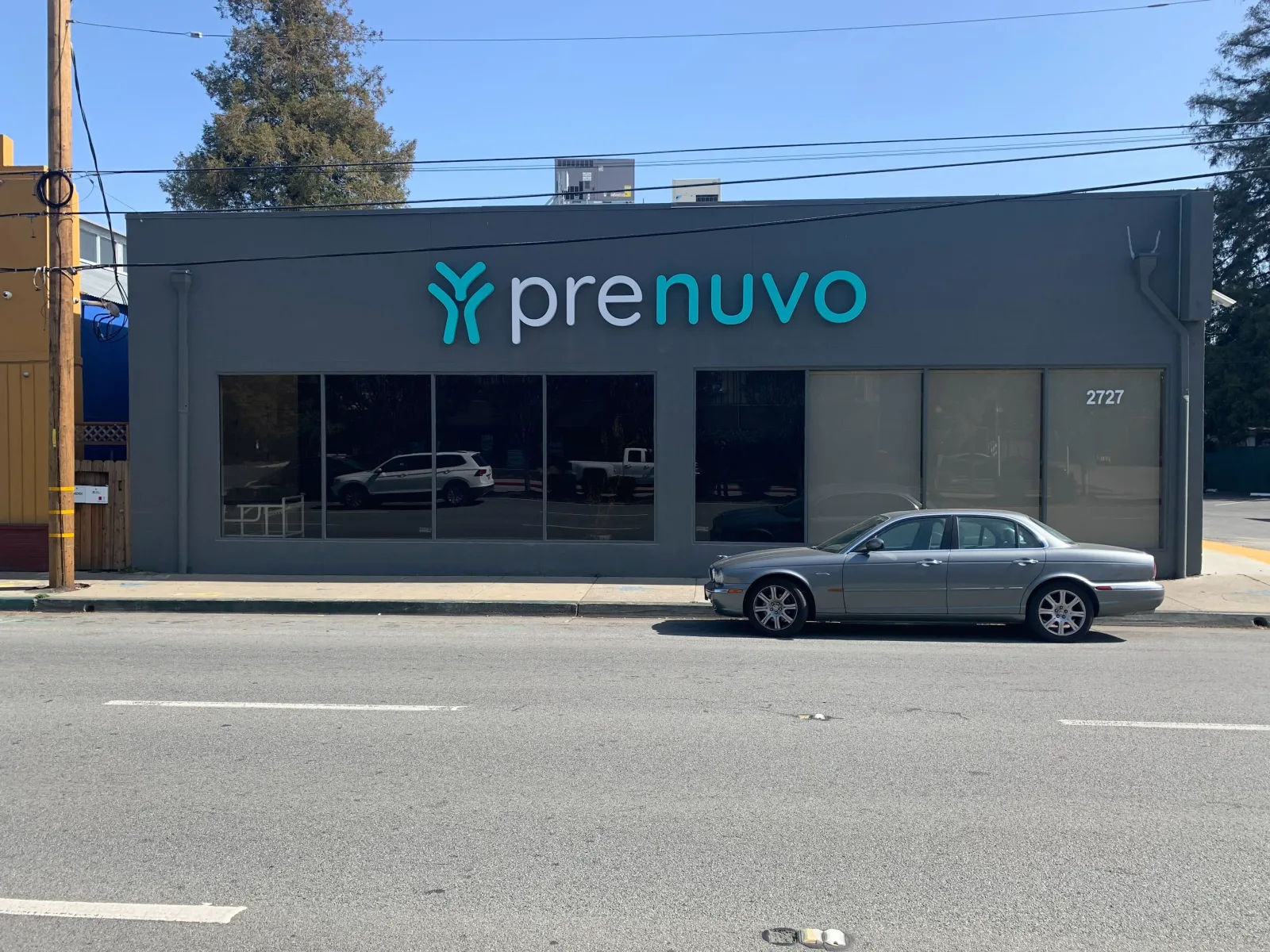
Prenuvo's Bay Area clinic is a dedicated whole-body MRI screening center on El Camino Real in Redwood City. Single scans and annual membership tiers run from a focused head-to-mid-thigh scan to the full Whole Body Scan, each with a Prenuvo Results Review. Booking runs online, with scans of roughly 45 to 75 minutes. People come here to establish a whole-body baseline.
Clinic lists whole-body imaging paired with a blood panel and a review with a Prenuvo provider, repeated year over year.
Published by Prenuvo, not for this location
Prenuvo publishes medical leadership for the organisation, not for this clinic. It names country-level medical directors for the UK, Australia and Canada and none for the United States, and nobody at all for Redwood City. The person you actually speak to is described only as "a licensed Prenuvo provider, either a nurse practitioner or physician", assigned by availability and state licensure, so no individual can be named in advance.
Company-wide role, not this location's clinician.
Peninsula Doctor
A Menlo Park concierge practice built around three family medicine physicians, founded by Dr. Ian Kroes. Its longevity care line adds genetic testing, body analysis and a comprehensive fitness assessment on top of primary care. Two registered dieticians and two fitness trainers work alongside the doctors, and nutrition patients are matched to the specialist who fits their goals.
Longevity diagnostics and screening are published as an addition to primary care, aimed at a more detailed and predictive view of health.
Dr. Ian Kroes and 7 more named clinicians
Founder, Family Medicine Physician.
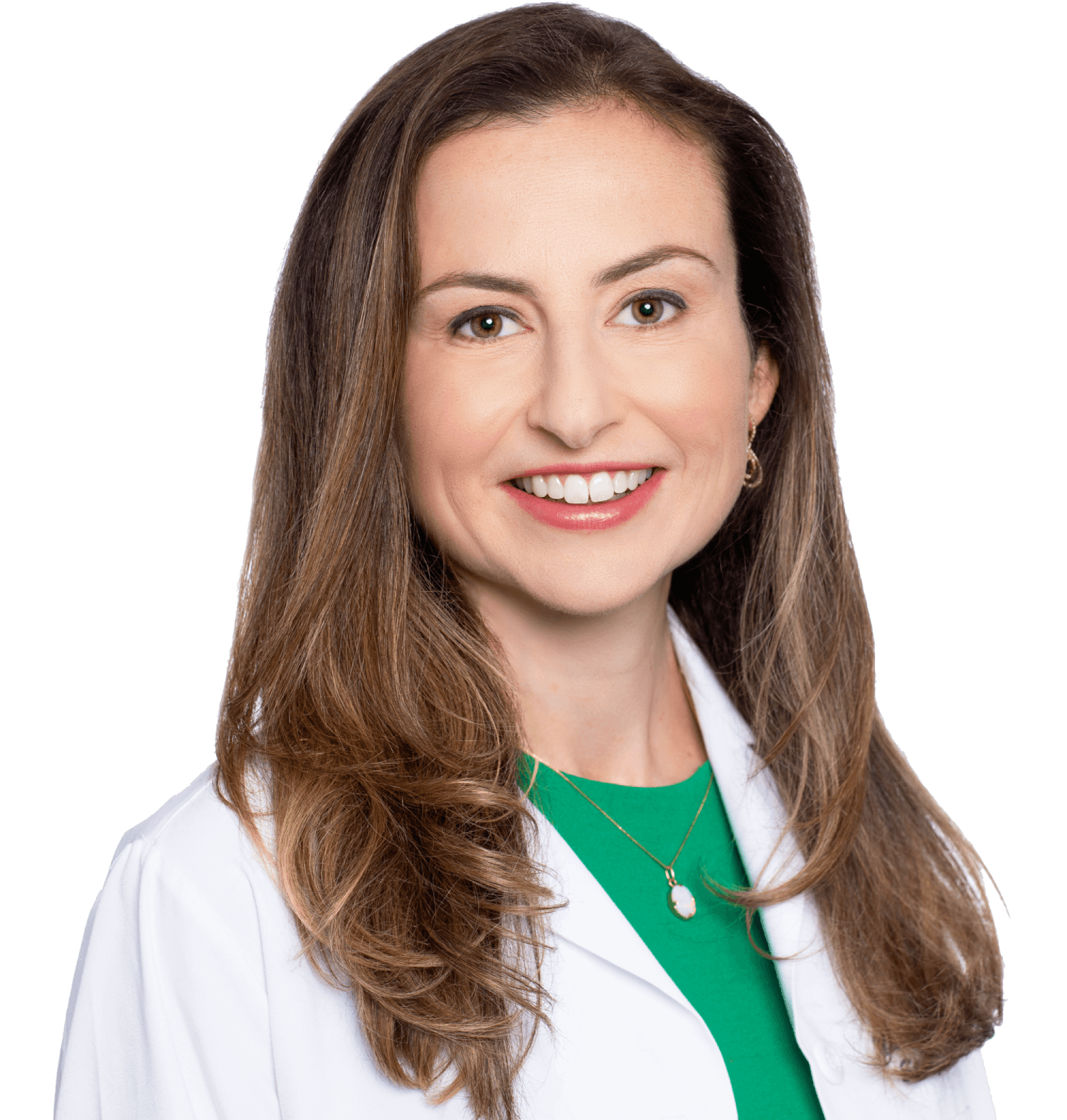
Nawal Johansen, MD
Nawal Johansen, MD is a single-physician concierge internal medicine practice on El Camino Real in Palo Alto, built around an annual executive physical and a preventive menu that names its tests: coronary calcium CT scanning, echocardiograms, stress testing, ECG monitoring, advanced lab testing and bone density. Dr Johansen practised at Stanford for over a decade and holds active privileges at Stanford Hospital.
An annual 'executive' physical exam is published as the anchor of the year: a thorough medical assessment and exam, a review of health status, lifestyle and goals, and a customised plan, with traditional and advanced screening and diagnostic tests offered alongside.
Nawal L. Atwan Johansen, MD
Founder; concierge internal medicine physician. Board-Certified in Internal Medicine and a Fellow of the American College of Physicians. Also published as a National Menopause Certified Practitioner. Graduated from Princeton University and Harvard Medical School, and completed her internship and residency in Internal Medicine at Stanford Hospital. Credentialed and on the medical staff at Stanford Hospital, a member of the Adjunct Clinical Teaching Faculty at Stanford Medical School, and holding courtesy privileges at El Camino Hospital.
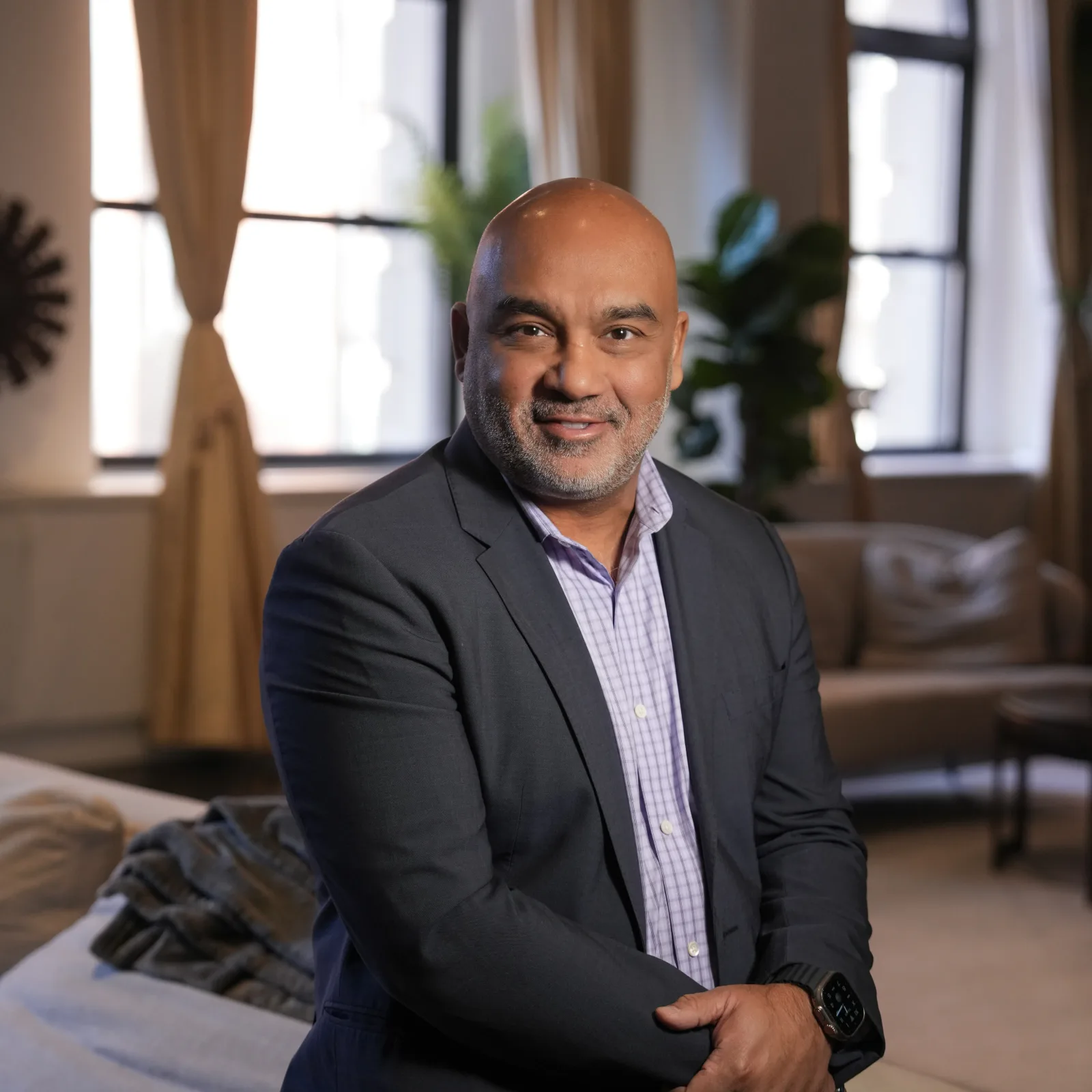
PrimaryMD, San Mateo
PrimaryMD is a physician-led membership practice on South San Mateo Drive, and its diagnostic programme is named rather than described: a DEXA body-composition and bone-density scan, VO2 max, resting metabolic rate, grip strength, quarterly blood panels and one-time whole-genome sequencing. Each care team is capped at 150 members, and this is the member's everyday primary care too.
The first assessment is published as an extended physician intake with comprehensive bloodwork, a DEXA scan, VO2 max, resting metabolic rate, grip strength, a sleep and wearable review and whole-genome sequencing, producing a baseline the team returns to over time.
Dr. Sukhjit (Sarge) Takhar, MD and 3 more named clinicians
Co-Founder & Chief Medical Officer. Board-Certified in Internal Medicine, Emergency Medicine & Infectious Disease. Specializes in personalized primary care, infectious disease, and longevity medicine. Listed against both of the practice's markets, New York City and San Francisco Bay Area.
Q Bio
Q Bio runs one clinic on Brewster Avenue in Redwood City and sells one thing: the Q Exam, a 75-minute visit capturing a non-contrast whole-body MRI across 10 sequences, 120+ blood and urine biomarkers, and a 163-gene panel. Every scan is analysed by Constellation, the company's FDA-cleared image-analysis software, read by a board-certified radiologist, and walked through with a physician in a 45-minute Data Review.
The whole exam is published as a baseline: five inputs captured in one visit, read together by a board-certified physician, and organised in a dashboard so every later exam is compared against the member's own prior measurements rather than a population average.
Garry Choy, MD/MBA
Co-founder. Published as MD/MBA and Co-founder.
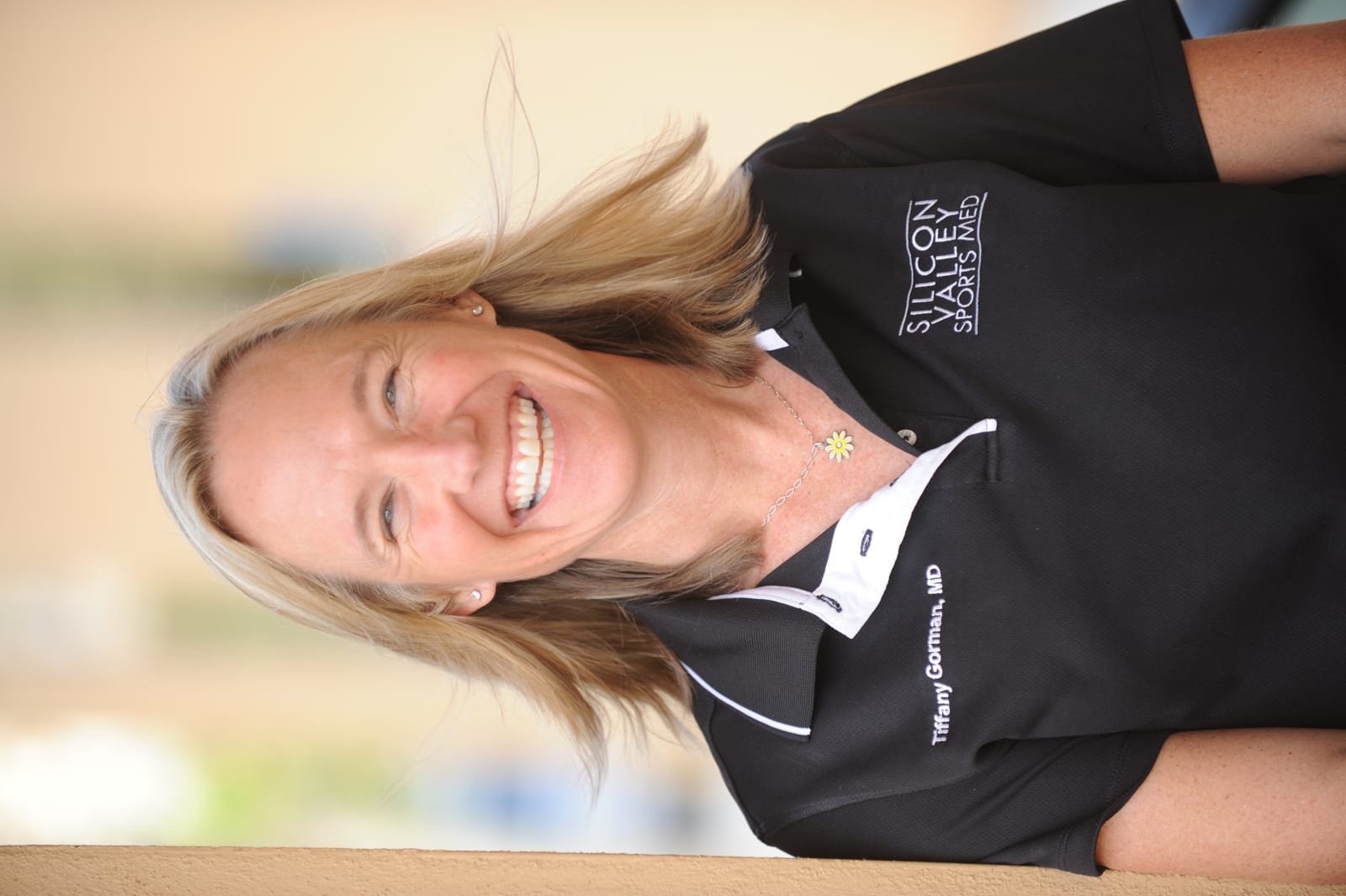
Silicon Valley Sports Medicine
Silicon Valley Sports Medicine is a physician-owned family and sports medicine practice in Campbell that runs a named SVSM Longevity Program alongside its PPO-billed care. The measurement is specific: VO2 max testing on a treadmill or a bike, resting metabolic rate testing, biannual strength and mobility evaluation, and a 60-minute Comprehensive Cognitive Assessment run by a geriatrician.
The longevity programme publishes a comprehensive "executive style physical" including patient history and health risk appraisals, expanded labs and screening test, and EKG.
Tiffany Gorman, MD and 5 more named clinicians
Founder and owner; family and sports medicine. Board Certified, Family Medicine. Certificate of Added Qualification (CAQ), Sports Medicine. Licensure, Medical Board of California (M.D.). Credentialed ImPACT Consultant (CIC) for concussion management. Her CV page publishes a Sports Medicine Fellowship at San Jose Medical Center | Stanford, 1998-1999, and a Family Practice Residency at Sharp Grossmont Hospital | Stanford, 1995-1998.
Common questions
Is a baseline workup worth it if I already have an annual physical?
They are doing different jobs. An annual physical covers a shorter list of checks chosen because there is good evidence they help at your age and risk level. A baseline workup is broader, and its argument is about the future: it gives later results something to be compared against. Broader is not automatically better, though. More numbers in a well person means more borderline results, and a baseline is worth most when someone is going to look at it again rather than file it.
I keep seeing blood panels advertised with hundreds of markers. Is that the same thing?
That is one part of it rather than the whole. A baseline usually spans more than blood: body composition, bone density, fitness and a detailed history all feed into it. If it is the panels themselves you came looking for, our comprehensive biomarker panels page lists the clinics near you that publish them.
What does a baseline workup cost?
It varies widely by practice and by what is included, and many clinics discuss fees only after an initial conversation. Some sell a workup as a single purchase; others fold it into a membership alongside ongoing care, where the repeat testing is part of what you are paying for. Ask which of the two you are looking at, and what a repeat would involve.
Will insurance cover it?
Some individual components are commonly covered when they are guideline recommended for your age and risk, and coverage depends on your plan. Broader testing bought as a package is often self-pay, and practices differ in whether they bill insurance at all. Ask each one directly how it handles both parts.
What if something comes back abnormal?
A finding is usually the start of a process rather than an answer. Depending on what it is, the next step may be a repeat test, a targeted scan or a referral, and many findings turn out to be harmless. Before booking, ask who reviews an unexpected result, how quickly you would hear, who arranges any follow-up, and whether the practice sends your records to your own doctor.
How do you decide which clinics appear on this page?
A clinic appears here when its own published material shows it offers this kind of testing at that location.
Whole-body baseline in other cities
Sources
- U.S. Preventive Services Task Force, A and B recommendations Supports: That an annual physical is built around a shorter set of checks with evidence behind them, chosen by age and risk level; That recommendations, rather than individual clinics, set which checks are due and how often.
- U.S. Preventive Services Task Force, Osteoporosis to prevent fractures: screening Supports: That bone density measurement is an established test with defined age and risk criteria.
- National Cancer Institute, Cancer screening overview (PDQ), patient version Supports: That testing people without symptoms produces false positives, which are usually followed by further tests and procedures; That screening can find things that would never have caused symptoms; That a normal result does not rule out disease.
- American College of Radiology, statement on screening total body MRI Supports: That professional bodies have not recommended whole-body imaging for people with no symptoms, risk factors or suggestive family history.
- American Heart Association, Importance of assessing cardiorespiratory fitness in clinical practice: a case for fitness as a clinical vital sign Supports: That cardiorespiratory fitness is a measurement worth recording alongside the standard clinical measures.
- National Institute on Aging, In search of better biomarkers of aging Supports: That biological age measures are an active research area rather than a settled diagnostic; That different measures of biological age can disagree with each other.
This page is educational information, not medical advice, and it is not a recommendation to have or to skip any test. What is worth testing depends on your age, your history and your personal risk, so discuss it with a clinician who knows them. If you have a symptom that concerns you, seek a medical evaluation rather than a baseline package.
Run a longevity practice in Palo Alto-Silicon Valley?
Claim your profile to confirm your services, introduce your clinicians and publish your own figures. Claiming is free and never changes the researched facts on this page.
Claim your profile