Body Composition Test in Los Angeles
How much of your weight is fat, muscle and bone, and 6 clinics in Los Angeles that list it.
- Time
- Minutes to half an hour Depends on the method
- What you do
- Stand on a device or lie on a table Bioimpedance or a DEXA scan
- You get
- Your fat and lean mass DEXA adds bone density
A body composition test splits your weight into fat and lean tissue rather than giving you one number on a scale. Clinics use two main methods. DEXA is a low-dose X-ray scan you lie still for, and it also reports bone density. Bioimpedance sends a small, painless electrical current through your body and estimates the split from how easily it travels.
People use it to see what is changing as they train or change their diet, since the scale alone cannot tell muscle gained from fat lost. The two methods are different tests, so a number from one is not directly comparable with a number from the other. Bioimpedance is offered under brands like InBody.





The map could not load. Every clinic is in the list.
Body Composition Test: common questions
Which clinics in Los Angeles list body composition testing?
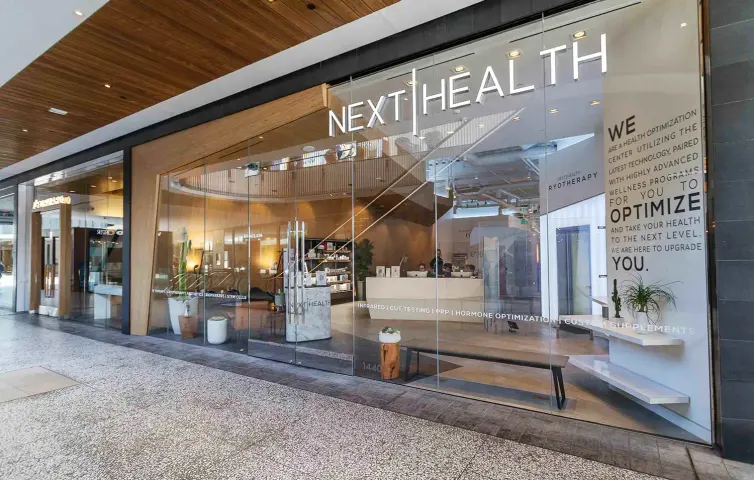
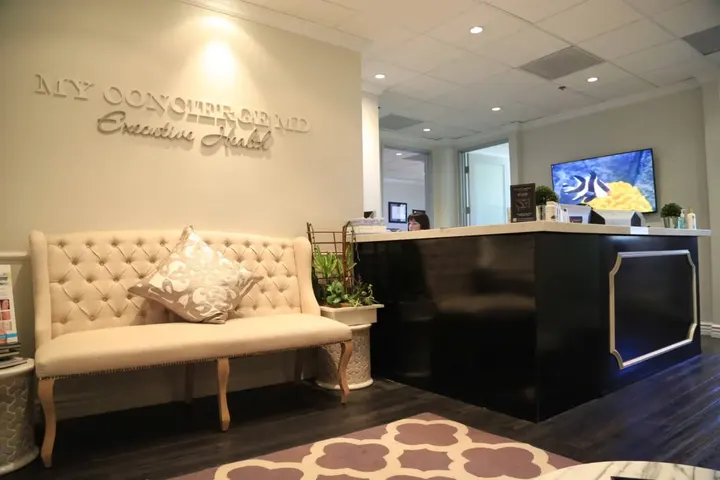
6 in our Los Angeles guide: Next Health, West Hollywood, Next Health, Century City, Smart Heart and Health Preventive Imaging, Cenegenics Beverly Hills, My Concierge MD and University Executive Physical Program.
Does it matter when I take the test?
Yes, for bioimpedance in particular. How much water you are carrying moves the result, so compare tests taken at the same time of day and in the same state, for example in the morning before eating.
How often should I retest?
Often enough to see a real change, which usually means months rather than weeks. Use the same method and, where you can, the same machine each time.
Sources: ACR and RSNA, RadiologyInfo: Bone Density Scan (DEXA); Kyle UG et al., Bioelectrical impedance analysis, part I: review of principles and methods. Clinical Nutrition, 2004; Influence of passive, diet-based hydration on muscle quantity assessment, Frontiers in Physiology