What is a longevity doctor?
A regular physician, usually an internist or family doctor, who focuses on keeping you healthy longer. Many work at major hospitals. Here is what they do and how to find one near you.
Quick answer: a longevity doctor is a regular physician who focuses on keeping you healthy for longer. Most trained in a standard specialty first, usually internal medicine or family medicine, and then chose to spend their time on prevention: finding risks early and helping you act on them before they turn into problems. Many work at well-known hospitals and medical centers, including Northwestern Medicine, Mayo Clinic, Cedars-Sinai and Mount Sinai.
Longevity doctors are regular doctors with a focus
Think of “longevity doctor” like “sports medicine doctor.” A sports medicine doctor is a regular physician who focuses on athletes. A longevity doctor is a regular physician who focuses on healthy aging. Same medical school, same residency, same licensing. What’s different is how they spend their time.
In the clinics we track, the most common background by far is internal medicine (about 4 in 10 of the physicians whose training we could identify), followed by family medicine and cardiology. Those are exactly the specialties trained in adult prevention and long-term health.
Many also add extra training on top, in areas like lifestyle medicine, obesity medicine, integrative medicine or longevity medicine courses, to go deeper on nutrition, exercise, sleep and metabolic health.
Many work at major hospitals
Longevity medicine isn’t a side corner of healthcare. More and more of it happens inside respected hospitals and academic medical centers, often as a dedicated program or clinic within the health system:
- Northwestern Medicine in Chicago runs a Human Longevity Clinic.
- Cedars-Sinai in Los Angeles opened a Healthspan Clinic in 2025, led by a geriatrician.
- Mount Sinai in New York offers a physician-led Healthspan program.
- Mayo Clinic runs Executive Health in Scottsdale, built around in-depth prevention.
- Scripps in San Diego runs a Center for Executive Health.
- Mass General Brigham in Boston runs an Executive Health Program.
- Others in our directory include UT Southwestern (Dallas), National Jewish Health (Denver), Hackensack Meridian Health and Atlantic Health (New Jersey), and UHealth and Baptist Health (Miami).
So if you’ve wondered whether longevity doctors are “real” medicine, the answer is that many of them work at the same hospitals you’d trust for anything else.
What a longevity doctor does
- Gets the full picture. A long first visit, often 60 to 120 minutes, covering your history, family history, habits and goals.
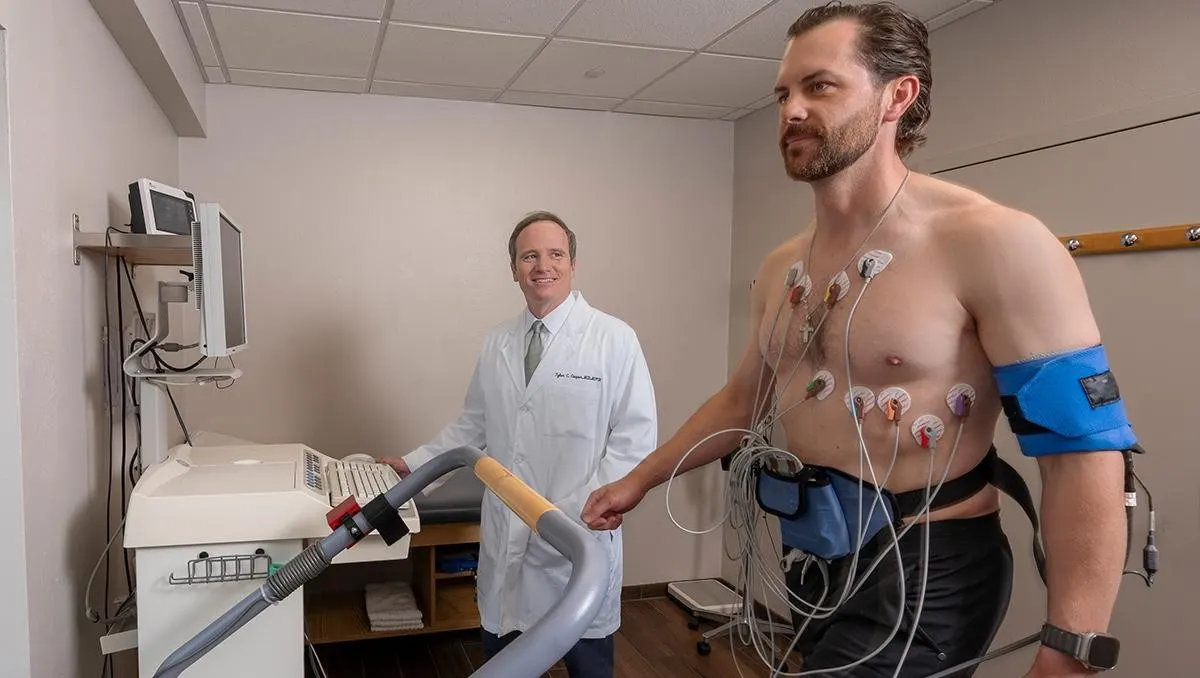
- Measures more. Beyond a standard physical: detailed cholesterol and metabolic labs, body composition (DEXA), fitness (VO2 max), and sometimes imaging.
- Builds a plan. Turns the results into specific steps for exercise, nutrition, sleep and, when it makes sense, medication.
- Tracks progress. Retests over time to see what’s working and adjusts.
Will you always see an MD?
Not always, and that’s normal. It depends on why you’re visiting.
Tests like a DEXA scan, a VO2 max test or a body composition check are usually run by trained specialists, such as exercise physiologists or imaging technologists, who are very good at doing the test and walking you through the numbers. A scan like an MRI is read by a radiologist. Many clinics also have nurse practitioners and physician assistants who see patients day to day.
A physician typically steps in for the bigger picture: reviewing your overall results, building your plan, and prescribing medication when needed. If seeing a doctor matters to you for a particular visit, just ask the clinic who you’ll meet.
Credentials you might see
- Board certification in a core specialty, like internal medicine, family medicine or cardiology. This is the main credential to look for.
- Extra certifications, such as obesity medicine, lifestyle medicine or integrative medicine.
- Functional medicine or longevity medicine training, from programs that teach prevention-focused care.
You can confirm any doctor’s board certification for free at CertificationMatters.org.
Meet longevity doctors near you
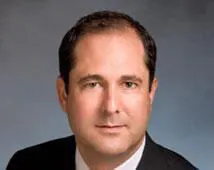
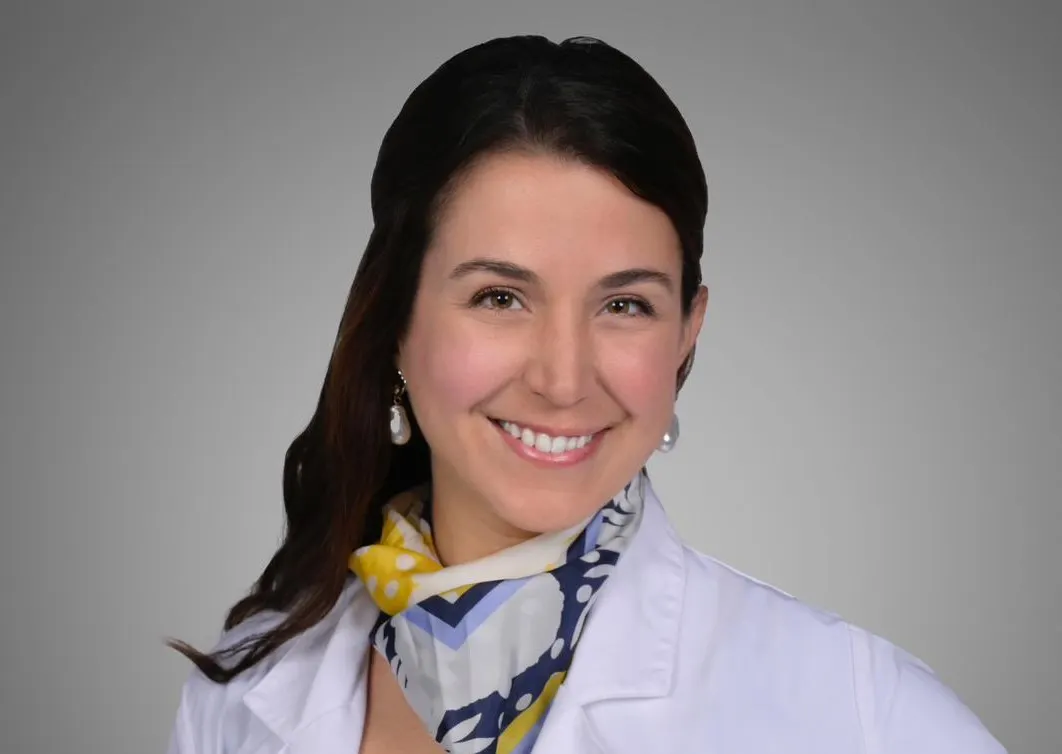
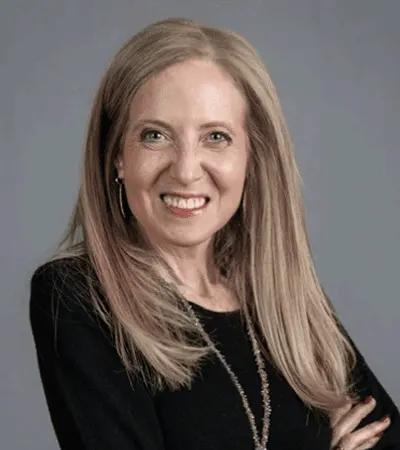
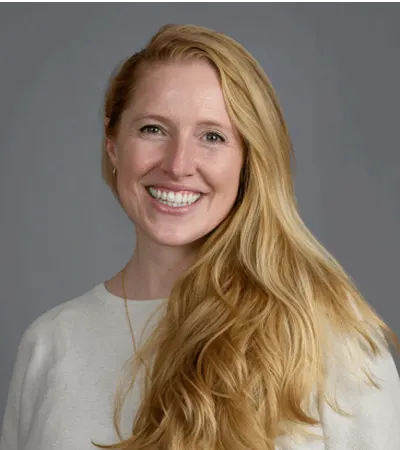
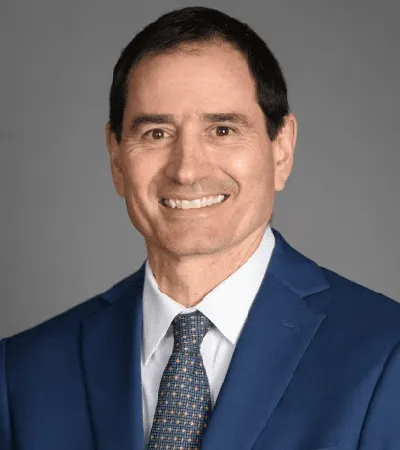
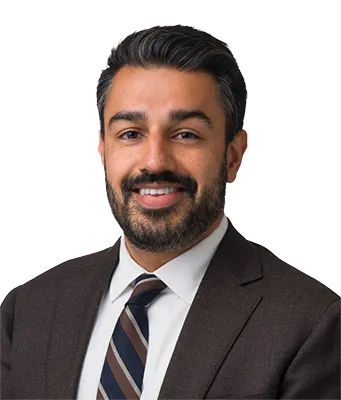
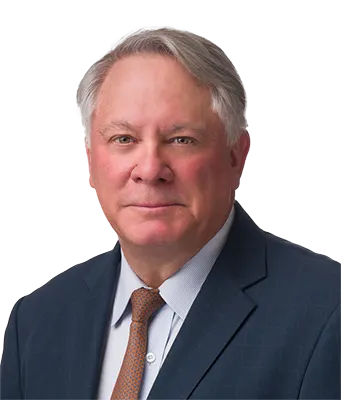
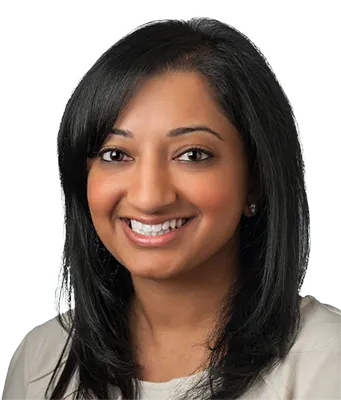
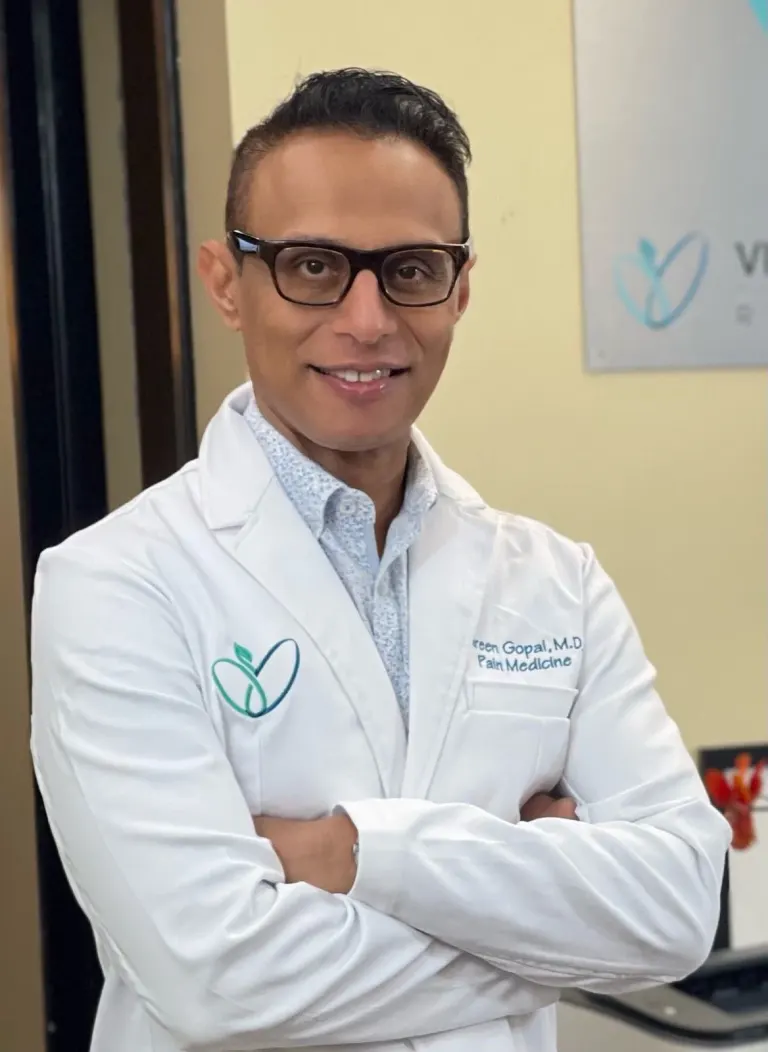
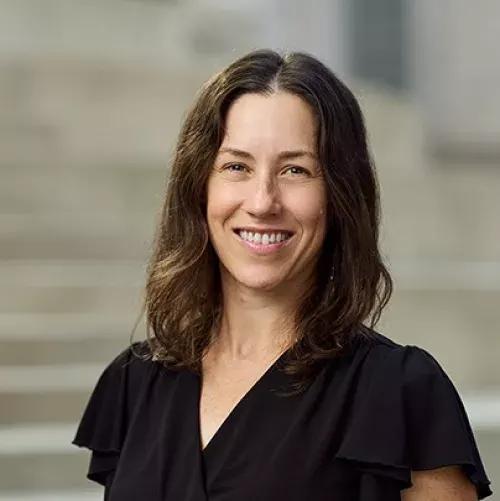
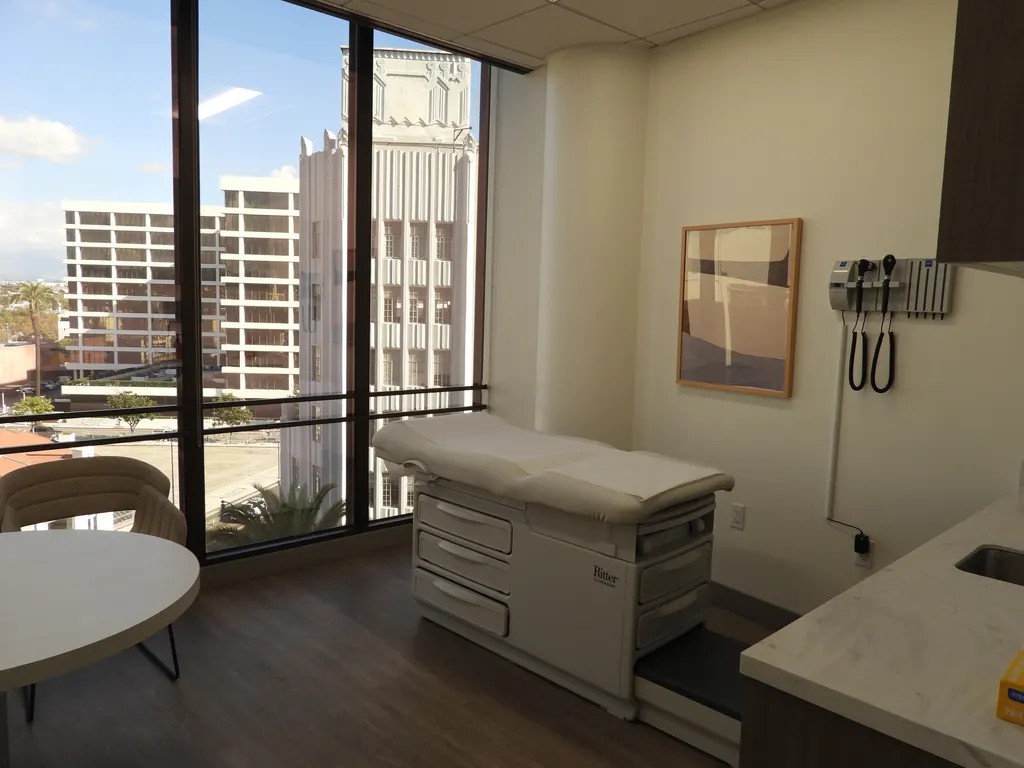
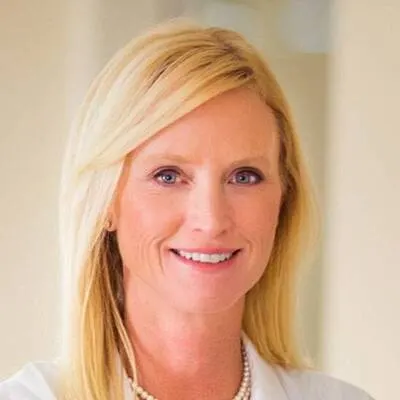
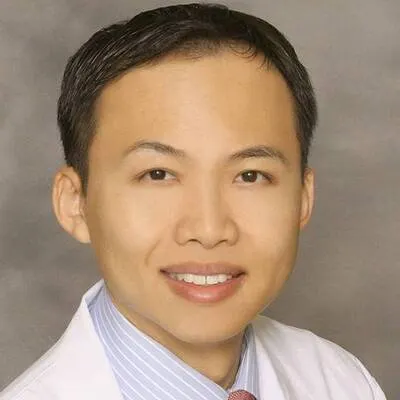
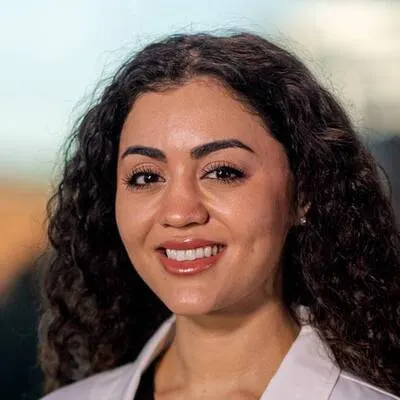
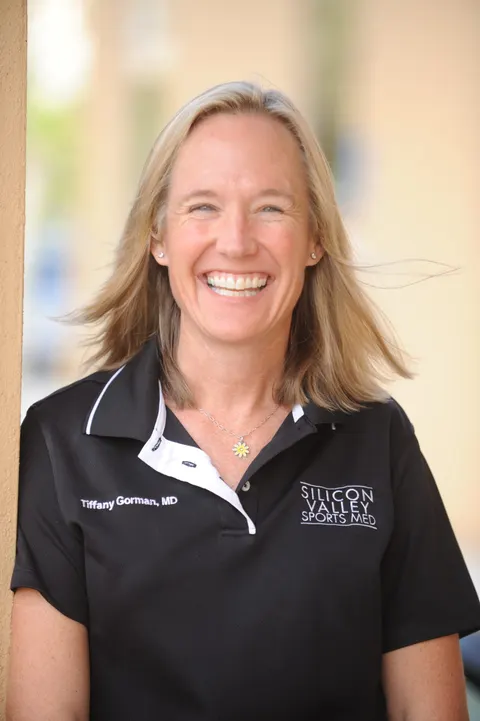
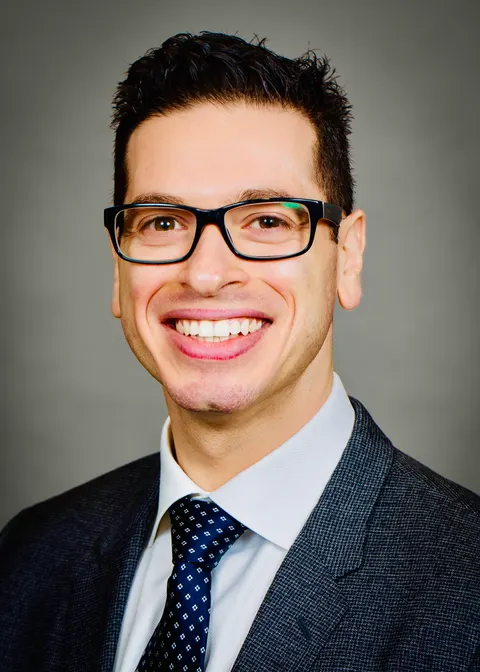
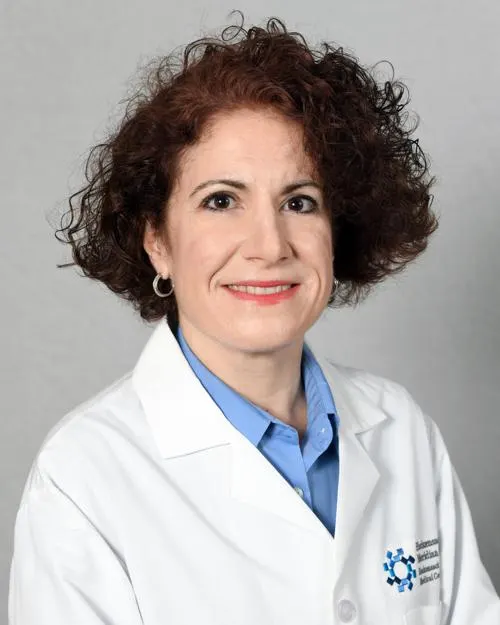
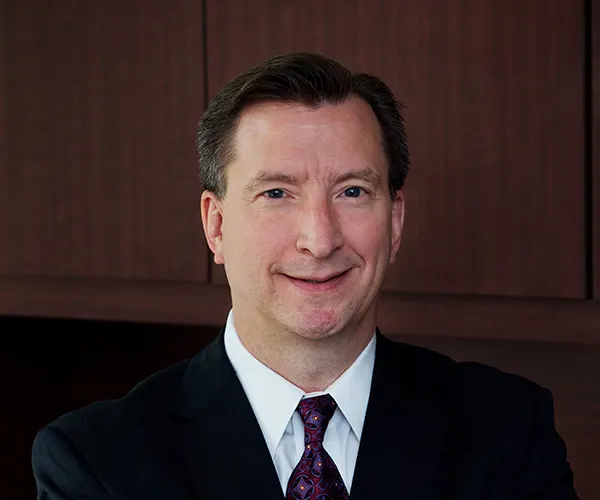
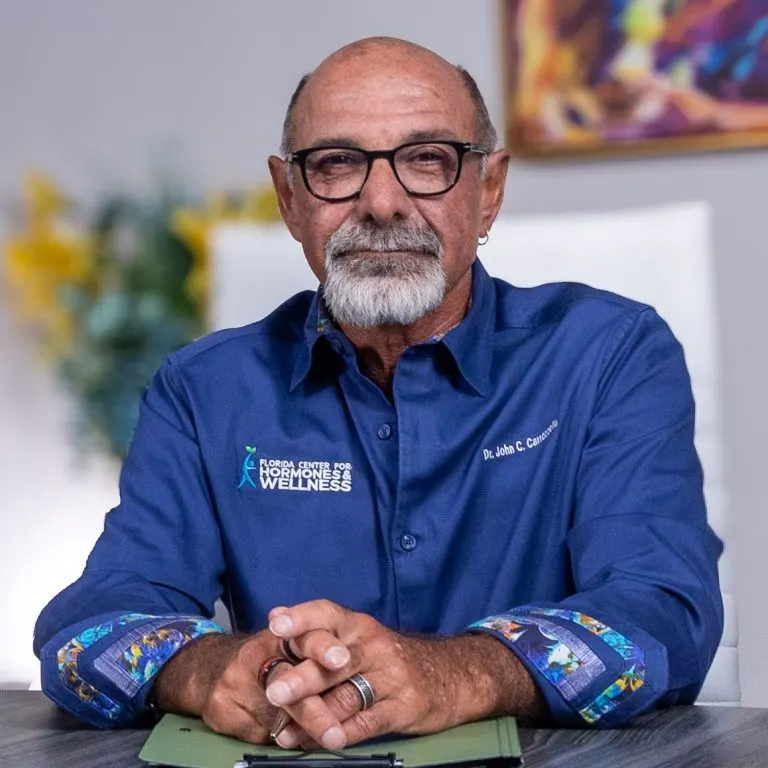
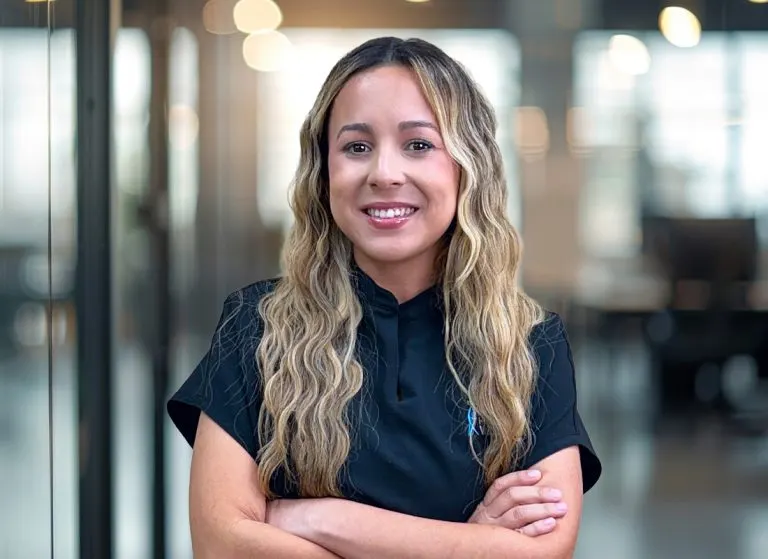
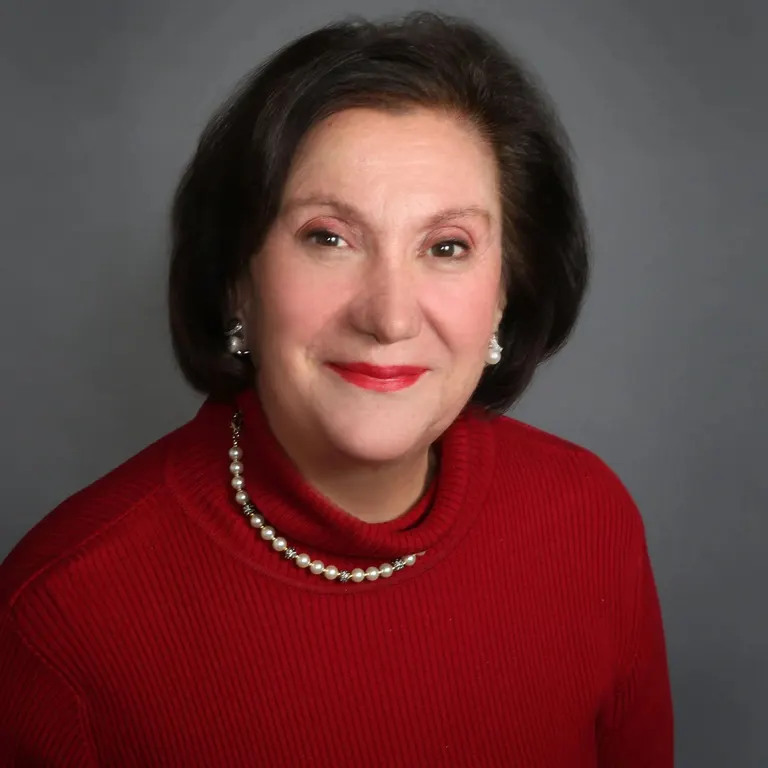
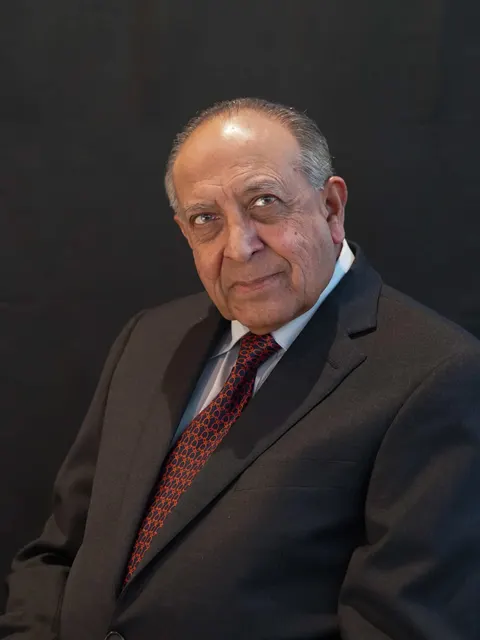
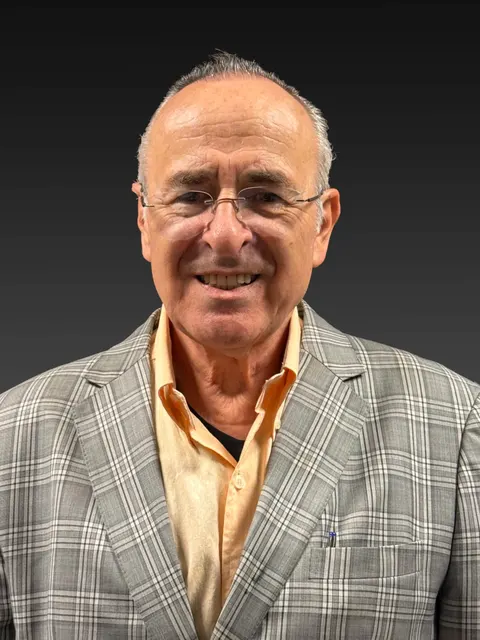
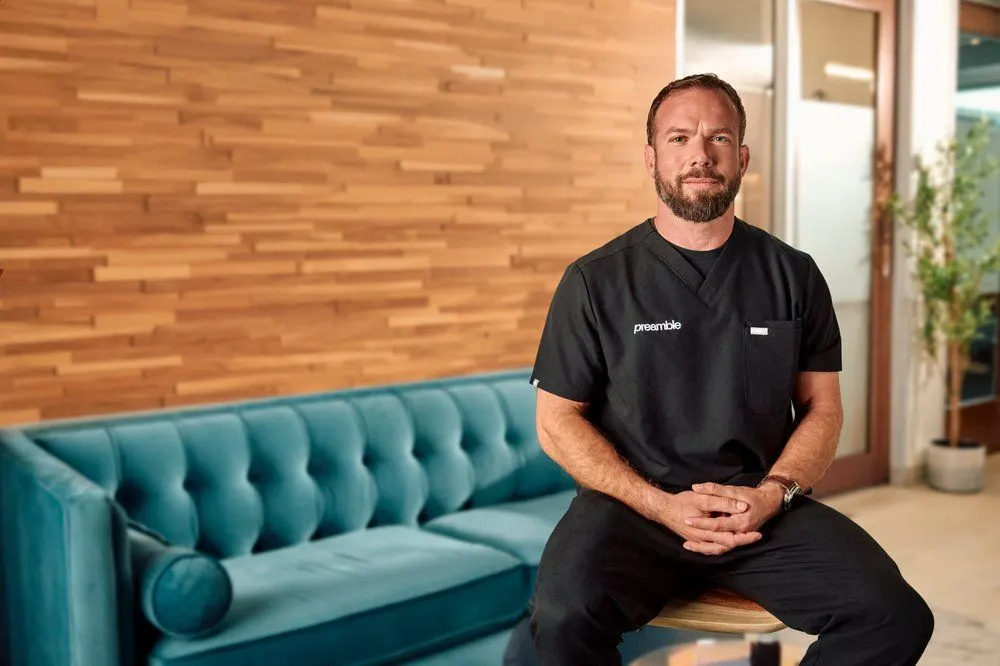
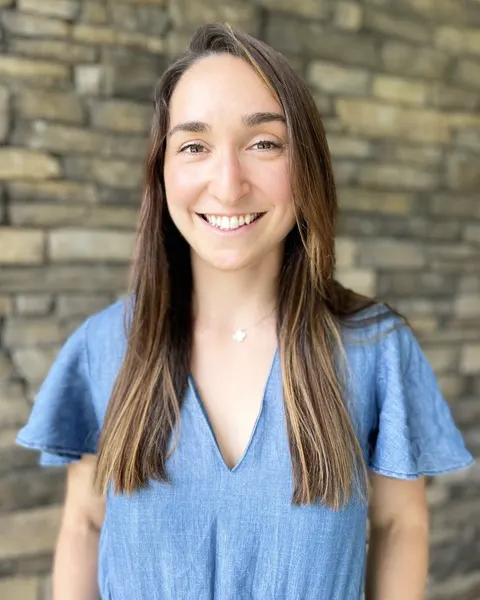
Here’s one clinic from each city we cover, with the doctors it names. Click through to see their training and what each clinic offers.









Common questions
Is a longevity doctor a real doctor?
Yes. Most are licensed physicians (MD or DO) trained in a standard specialty, most often internal or family medicine, who focus on prevention and healthy aging.
What kind of doctor is a longevity doctor?
Usually an internist or family physician. Cardiologists, endocrinologists and geriatricians also practice longevity medicine.
Do hospitals have longevity doctors?
Yes. Northwestern Medicine, Cedars-Sinai, Mount Sinai, Mayo Clinic and others run longevity or prevention-focused programs.
Can my primary care doctor be my longevity doctor?
Often, yes. Many primary care doctors will order tests like an advanced cholesterol panel or a DEXA scan if you ask. A dedicated longevity doctor usually offers more time per visit and a deeper plan.
How much does it cost to see a longevity doctor?
A first consultation is often a few hundred dollars, and many clinics also sell single tests with no commitment. See How much do longevity clinics cost?
Prepared by the LongevityClinicsHub editorial team. How we research and source these guides.
Enter your ZIP code and we'll point you at the nearest city we've researched.
Sources
- Physician training backgrounds: LongevityClinicsHub research, based on the clinicians each clinic publishes.
- Hospital programs: Northwestern Medicine, Cedars-Sinai, Mount Sinai Healthspan; others as listed on each clinic’s profile.
- Board certification lookup: CertificationMatters.org (American Board of Medical Specialties)
This guide is independent editorial content, written to orient, not to diagnose. It is not medical advice, and it is no substitute for a conversation with a licensed physician who knows your history. Where we describe what clinics claim, the claim belongs to the clinic.
Educational reading, not medical advice. Talk to a clinician about your own health.