Cincinnati clinics›Strength, fitness & body composition
Cincinnati · Guide · Strength and fitness

Strength and fitness testing in Cincinnati

Muscle, bone and fitness fade a little every year, and most people only notice when stairs get harder. Here's how to measure where you stand, what the numbers mean, and which Cincinnati clinics test them.

Main tests
Grip, chair stand and balance Plus a bone scan or fitness test if needed
What you do
Squeeze, stand and walk Sometimes a scan or a fitness test
You get
Where you stand for your age And a plan to work on it
Cincinnati photograph by Fred Copley · Unsplash

The tests, in plain English

Start with your regular doctor and a few quick checks: your grip, a chair stand, your walking speed and your balance. They say a lot about staying independent. Bone density screening matters once you reach the age for it. A DEXA scan or a VO2 max test adds measured detail and shows whether training is working.

Think of your strength, bones and fitness like a phone battery. Everyone's drains a little each year, and you don't notice until it runs low. These tests show how full yours is now, so you can see whether exercise is charging it back up.

Grip strength

You squeeze a handheld gauge as hard as you can.

Chair stand

You cross your arms, then stand up from a chair and sit back down as many times as you can in 30 seconds.

Walking speed and balance

You stand up, walk a short distance and sit back down while someone times you, then hold a few standing positions.

Bone density

A low-dose X-ray of your hips and spine, recommended for women 65 and older and younger women at higher risk after menopause.

Muscle mass (DEXA)

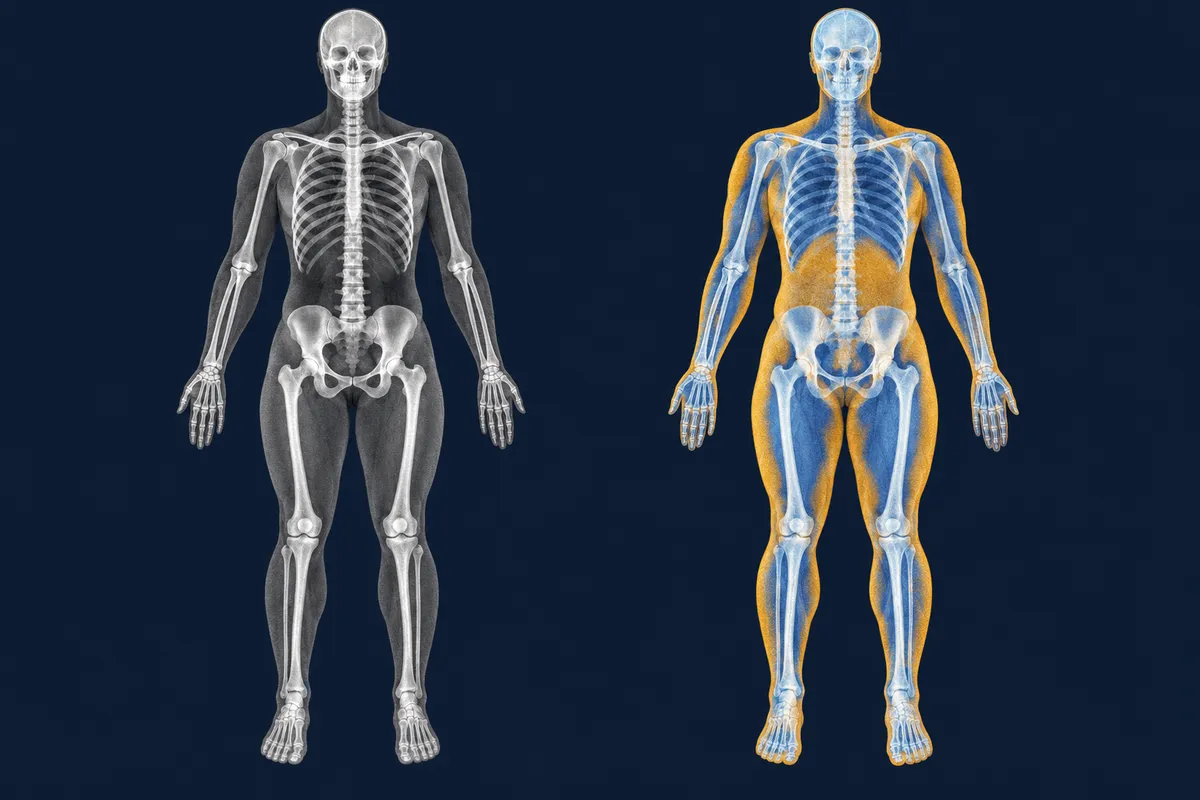
The same kind of scan, over your whole body, splits your weight into muscle, fat and bone.

Cash price: $65 to $249

VO2 max

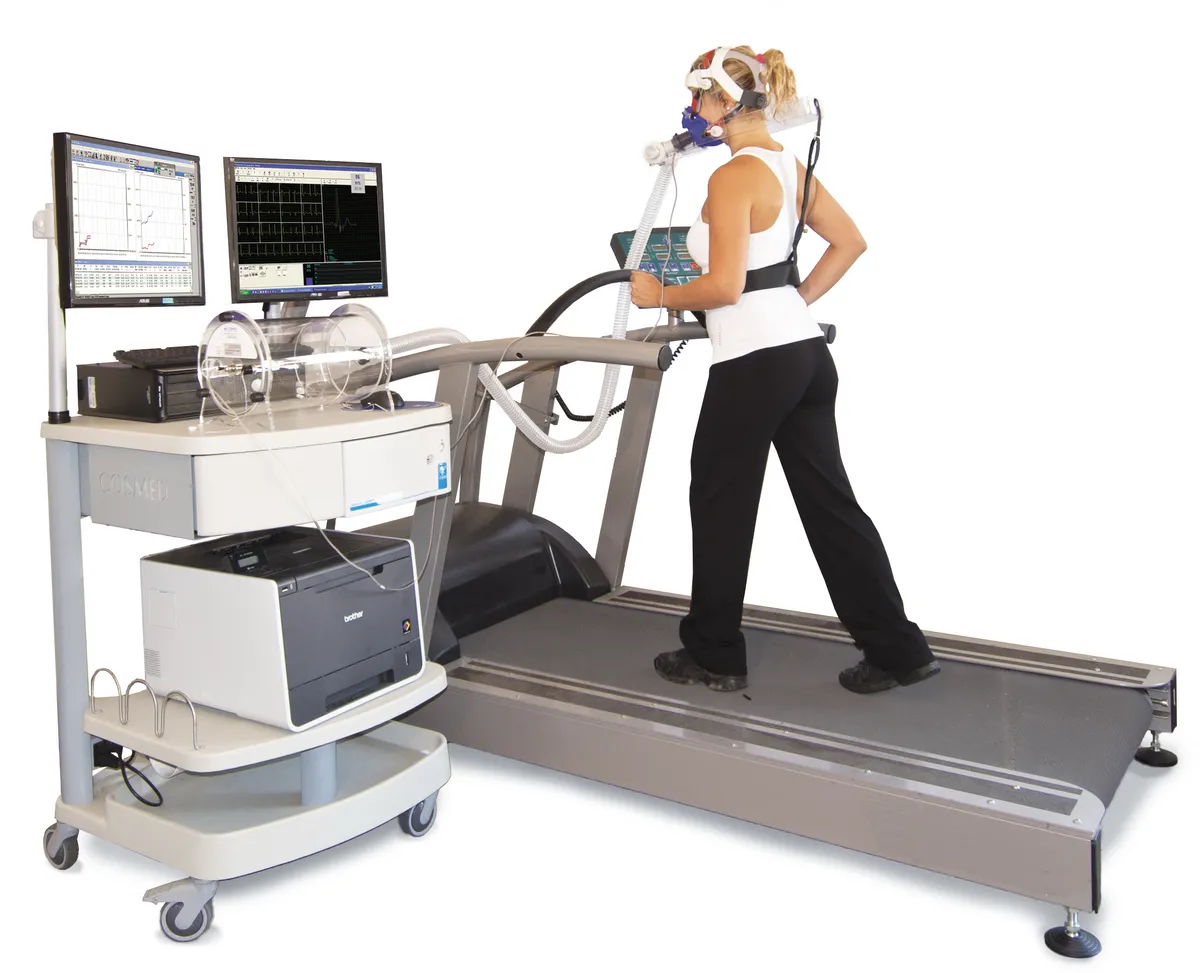
Measures how much oxygen your body can use at full effort, on a bike or treadmill with a mask on.

Cash price: $100 to $675

Prices that clinics publish on their own websites, across all the cities we cover. Prices change, so confirm with the clinic.

Physical activity in Cincinnati, by the numbers

The rate of physical inactivity in Cincinnati is about the same as the national rate. About 1 in 4 adults in Cincinnati did no physical activity outside work in the past month, compared with about 1 in 4 nationally. That adds up to roughly 340,000 adults across six counties.

24.9%of adults in Cincinnati did no physical activity outside work in the past monthUS: 25.1%
340,000adults in Cincinnati did no physical activity outside work in the past monthEstimated from CDC county figures
1Cincinnati clinic lists fitness testingSee them below
Cincinnati does better than the US on 2 of 3 measures
Share of adults, 2023. Lower is better.
No exercise outside work
Obesity
Serious difficulty walking
↓ Data
By county
CountyNo exercise outside workObesitySerious difficulty walking
Hamilton24.4%35.6%12.6%
Butler27.8%39.0%12.2%
Warren20.4%32.6%10.1%
Clermont25.3%34.7%12.9%
Dearborn24.0%35.8%14.1%
Brown34.1%41.6%17.4%
Cincinnati24.9%36.0%12.4%
United States25.1%33.2%13.8%

Source: CDC PLACES, 2023 county estimates. Cincinnati = Hamilton, Butler, Warren, Clermont, Dearborn and Brown counties, weighted by adult population.

longevityclinicshub.com

Your regular doctor is the place to start, especially before a big change in how active you are. The tests above show where you're starting from, so progress is easier to see later.

Showing 1 clinic that address strength, fitness & body composition in Cincinnati

How we order clinics
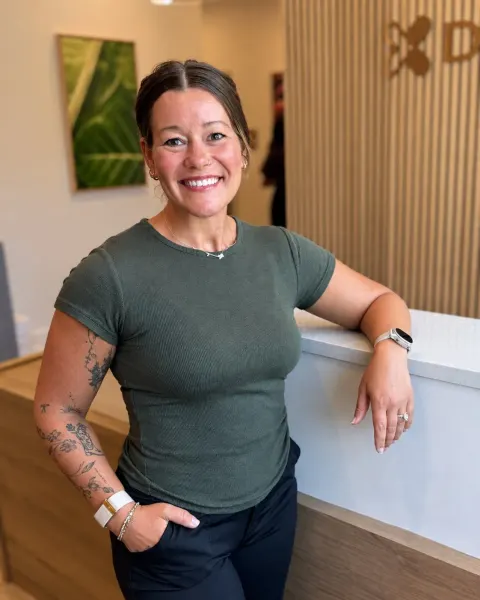
Dr. David DeMarco, MDAmy Cleves
Testing studio

DexaFit Cincinnati

Montgomery Rd, Kenwood
Strength, fitness & body compositionMetabolic health & blood sugar

DexaFit Cincinnati is a testing studio on Montgomery Road in Kenwood, Cincinnati, selling a DEXA body composition scan, a segmental DEXA bone density scan, a VO₂ max test, a resting metabolic rate test and a precision lab panel. Its owner and medical director, Dr. David DeMarco, MD, offers physician-guided test reviews, a Longevity⁺ membership and concierge primary care at the studio. Led by Dr. David DeMarco, MD.

Services

DEXA scan VO₂ max testing Metabolic rate testing
See if it’s a fit

How a strength and fitness check usually goes

  1. Your history first

    How active you are, any falls or injuries, your medicines, and what you want to keep doing.

  2. The testing

    Quick strength and balance checks, sometimes a scan or a fitness test. Ask what's included.

  3. Your results, explained

    Where you stand for your age, and which number matters most for you.

  4. A plan and a date

    Strength, cardio and balance work, and when to retest. Ask if your doctor gets a copy.

If you've had a fall, feel dizzy, or get chest pain or breathlessness with effort, see your doctor first. That needs a checkup, not a fitness test.

Go deeper

Common questions

Which clinics in Cincinnati address strength, fitness & body composition?

1 in our Cincinnati guide: DexaFit Cincinnati.

I feel strong enough. Why measure it?

Because muscle, bone and fitness slip slowly, and you often notice only when something gets hard. More than one in four older adults falls each year. A number now gives you something to compare against later, while there is time to build.

What is sarcopenia?

It is the loss of muscle strength and muscle mass that can come with age. Strength is usually checked first, with grip or a chair stand, and a scan then confirms low muscle. Our guide to age-related muscle loss goes deeper.

Do I need a clinic for grip strength and walking speed?

No. Your regular doctor can do these in a few minutes, and a yearly fall check is recommended from age 65. A clinic may add a grip gauge and track the numbers over time. Our guide to grip strength and gait speed explains them.

Should I start with a DEXA scan or a VO2 max test?

Start with what worries you. If it is bones or muscle, a DEXA scan fits. If it is stamina, a VO2 max test does. Our DEXA and VO2 max page compares the two and lists the clinics near you that offer them.

What does this cost, and will insurance cover it?

Bone density screening is often covered when you meet the screening rules. Body composition scans, VO2 max tests and fitness assessments are usually self-pay. Our guides on cost and insurance go deeper.

How do you decide which clinics appear on this page?

A clinic appears here when its own published material shows it offers this kind of testing at that location.

More healthy years, for you and your family

One short email a week, with plain-English ideas from longevity science that you can actually use.

Free. Unsubscribe anytime.