San Francisco clinics›Advanced heart imaging
San Francisco · Guide · Heart imaging

Heart imaging in San Francisco

Scans that look straight at your arteries instead of estimating risk from blood work. Here's what each one shows, who it's for, and which San Francisco clinics offer them.

Main tests
A calcium score or a CT angiogram Plus carotid ultrasound or pulse wave velocity
What you do
A scan of your arteries Ask whether it uses dye or radiation
You get
Images read by a cardiologist or radiologist And what the result changes
San Francisco photograph by Andrew Whitmore · Unsplash

The scans, in plain English

These scans look at your arteries directly. A calcium score shows hardened plaque, and a CT angiogram shows softer plaque and narrowing. They help most when your risk is borderline and a scan could change your treatment. If your risk is clearly low or clearly high, they usually add little.

Blood tests are like checking the weather forecast. A heart scan is like looking out the window: it shows what's actually there right now.

Calcium score

A quick CT scan of your heart with a low dose of radiation.

Coronary CT angiogram

A dye goes in through an IV so the scan can show soft and hard plaque and any narrowing.

Carotid ultrasound

Sound waves look at the arteries in your neck for plaque or thickening, with no radiation. Experts advise against using it to screen people who have no symptoms.

Pulse wave velocity

Measures how fast your pulse travels along your arteries. Stiffer arteries carry it faster. Quick and painless, but it is mostly a research measure for now.

Heart health in San Francisco, by the numbers

The rate of high blood pressure in San Francisco is lower than the national rate. In San Francisco, 29.2% of adults have high blood pressure, compared with 34.4% nationally. That adds up to roughly 1,080,000 adults across five counties.

29.2%of adults in San Francisco have high blood pressureUS: 34.4%
1,080,000adults in San Francisco have high blood pressureEstimated from CDC county figures
6San Francisco clinics list advanced heart imagingSee them below
San Francisco does better than the US on all 3 measures
Share of each group named, 2023. Lower is better.
High blood pressure
High cholesterol (of those checked)
Coronary heart disease
↓ Data
By county
CountyHigh blood pressureHigh cholesterol (of those checked)Coronary heart disease
Alameda28.5%33.4%4.8%
Contra Costa31.2%36.1%5.5%
San Francisco27.0%35.2%4.9%
San Mateo29.2%37.4%5.2%
Marin32.6%37.3%6.4%
San Francisco29.2%35.3%5.1%
United States34.4%36.4%6.3%

Source: CDC PLACES, 2023 county estimates. San Francisco = San Francisco, Alameda, Contra Costa, San Mateo and Marin counties, weighted by adult population.

longevityclinicshub.com

Blood pressure and cholesterol are part of an ordinary checkup, so your regular doctor is the place to start. The tests above add detail once you know those basics.
Showing 6 clinics that publish advanced heart imaging in San Francisco

How we order clinics
Biohackr Health, San Francisco clinic

Biohackr Health, San Francisco

Union Street, San Francisco
Advanced diagnostics & emerging careSkin, hair & aestheticsStrength, fitness & body composition

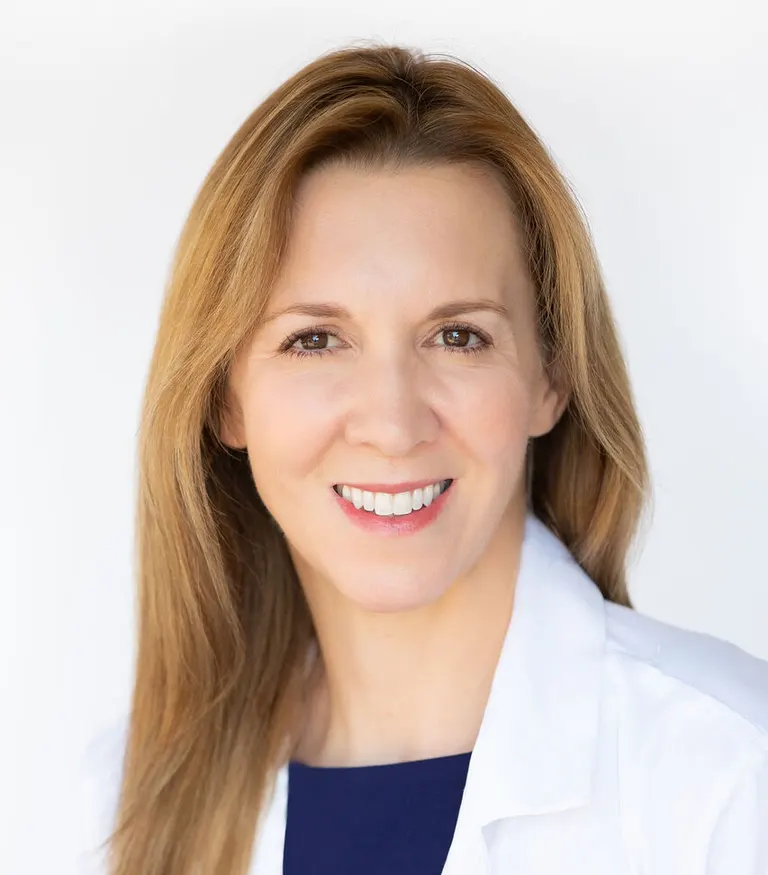
Biohackr Health began on Union Street in San Francisco with anti-aging and IV therapy. Longevity programs span a six-month monthly diagnostic membership, the one-time Biohackr Benchmark baseline evaluation, and an NAD program with baseline NAD testing. Registered nurses treat under supervising physician Dr. Lori Bluvas. People come here for a whole-body baseline and weight loss. Led by Lori Bluvas, MD, Lauren Greenberg, MD.

Services

Comprehensive biomarker panel Continuous glucose monitoring Coronary calcium score GLP-1 weight loss program +26 more
See if it’s a fit
Taylor Martin, MDJuliana Jason, MS, ACSM-CEP

Cenegenics San Francisco

North California Boulevard, Walnut Creek
Whole-body baselineGenetics & biological ageAdvanced diagnostics & emerging care

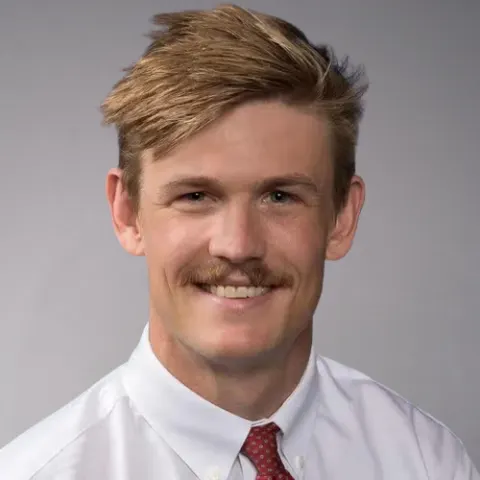
Cenegenics San Francisco is the Bay Area center of a national longevity brand, based in Walnut Creek with a physician and a performance health coach named to the site. Your assessment day runs 4 to 6 hours: DEXA, VO2 max, carotid ultrasound, neurocognitive testing and brain EEG, read alongside a blood panel drawn at your home or office. Care continues with quarterly bloodwork and coaching check-ins. Led by Taylor Martin, MD.

Services

Biological age testing DEXA scan Full-body MRI Hormone panel +13 more
See if it’s a fit
My Doctor Medical Group clinic

My Doctor Medical Group

Union Square, San Francisco
Whole-body baselineHeart & circulationCancer risk & screening

My Doctor Medical Group is a physician-owned concierge practice on Sutter Street, running since 2008. Its executive health evaluation unfolds over three to four weeks, spanning advanced lipid and metabolic panels, coronary calcium scoring, carotid ultrasound and stress testing. Membership tiers keep the same physicians with 24/7 access. People come here for a whole-body baseline and heart screening. Led by Paul Abramson, MD, Anthony Padula, MD, Michel Accad, MD.

Services

Coronary calcium score DEXA scan Full-body MRI Hormone panel +21 more
See if it’s a fit
Tina Ziainia, MD, FACOGDavid Karow, MD, PhD

Human Longevity, South San Francisco

South San Francisco, Gateway Boulevard biotech corridor
Cancer risk & screeningWhole-body baselineAdvanced diagnostics & emerging care

Human Longevity is an executive health assessment and membership program in South San Francisco's biotech corridor. One private day runs whole-body and brain MRI, cardiac imaging, DEXA, bloodwork and whole genome sequencing back to back, walked through by a longevity clinician. Two higher tiers add monitoring, more screening and a concierge physician. People come here for a whole-body baseline and heart screening. Led by Tina Ziainia, MD, David Karow, MD, William D. Keen, MD and 1 more.

Services

Continuous glucose monitoring Coronary calcium score DEXA scan Full-body MRI +8 more
See if it’s a fit

Ezra, Van Ness, San Francisco

Van Ness Avenue, San Francisco
9 locations, also in Concord, Daly City and 6 more
Advanced diagnostics & emerging careCancer risk & screeningHeart & circulation

Ezra scans you at 1005 Van Ness Avenue, inside SimonMed's imaging center on the corner of Van Ness and Geary. The MRI Scan takes as little as 22 minutes and screens up to 13 organs for signs of cancer and hundreds of other conditions, with spine, skeletal and neurological versions above it. A heart CT with a calcium score and a low-dose lung CT are booked at the same address.

Services

Coronary calcium score Full-body MRI Low-dose lung CT
See if it’s a fit
Virtual, no premises

Longevity Health, San Francisco

San Francisco and the Bay Area
Whole-body baselineStrength, fitness & body compositionBrain & cognition

Longevity Health is a concierge practice built around longevity first, with primary care included. It names the markers it runs: ApoB, lipoprotein(a), a coronary calcium score, DEXA, VO2 max and two weeks of continuous glucose. You are paired with a physician, dietitian, exercise physiologist and strength coach who meet weekly. Care happens in person and remotely. Led by Dr. Jason Valadao, MD, Dr. Jahan Fahimi, MD, Dr. Raveena Rihal, MD and 1 more.

Services

Continuous glucose monitoring Coronary calcium score DEXA scan Hormone panel +11 more
See if it’s a fit

How a heart scan visit usually goes

  1. Your risk first

    Blood pressure, cholesterol, family history, and a 10-year risk estimate. This decides whether a scan would change anything.

  2. The scan

    Ask whether it uses dye or radiation, how long it takes, and what is included.

  3. Results, explained

    A cardiologist or radiologist reads the images. Ask who reads yours.

  4. A plan

    What the result changes, like starting a statin, and when to check again.

If you have chest pain, new shortness of breath, or pain that comes on with effort, get checked right away. That's a job for your doctor, not a screening scan.

Go deeper

Common questions

Which clinics in San Francisco publish advanced heart imaging?

6 in our San Francisco guide: Biohackr Health (San Francisco), Cenegenics San Francisco, My Doctor Medical Group, Human Longevity (South San Francisco), Ezra (Van Ness, San Francisco) and Longevity Health (San Francisco).

Calcium score or CT angiogram: which one?

A calcium score is quicker, uses less radiation and needs no dye, and it's the usual first step. A CT angiogram shows more, including soft plaque and narrowing. The question your doctor is trying to answer decides which one fits.

What does a calcium score of zero mean?

No hardened plaque was found. That's reassuring, but it isn't a guarantee, because a calcium score can't see soft plaque that hasn't hardened yet.

My cholesterol is normal. Should I get a scan?

Not usually on its own. Scans help most when your overall risk is borderline. Our heart health guide explains which numbers to start with.

How much radiation is involved?

A calcium score uses a low dose. A CT angiogram uses more, plus a dye. Ask the center what dose it uses, especially if you might repeat the scan.

What does it cost, and will insurance cover it?

A calcium score is often self-pay. A CT angiogram is more likely to be covered when a doctor orders it for a medical reason. Our guides on cost and insurance go deeper.

How do you decide which clinics appear on this page?

A clinic appears here when its own published material shows it offers this kind of testing at that location.

Sources (4)
  1. American College of Cardiology and American Heart Association, 2019 guideline on the primary prevention of cardiovascular disease
  2. U.S. Preventive Services Task Force, Cardiovascular disease: risk assessment with nontraditional risk factors
  3. U.S. Preventive Services Task Force, Carotid artery stenosis: screening
  4. American Heart Association, Recommendations for improving and standardizing vascular research on arterial stiffness

This page is educational information, not medical advice, and it is not a recommendation to have or to skip any scan. What is right for you depends on your age, your history and your personal risk, so discuss it with a clinician who knows them. If you have a symptom that concerns you, seek a medical evaluation.

More healthy years, for you and your family

One short email a week, with plain-English ideas from longevity science that you can actually use.

Free. Unsubscribe anytime.