The tests, in plain English
Start with the basics: an A1C or fasting blood sugar test, your waist size, blood pressure, and the triglycerides and HDL on a cholesterol panel. Together they show which way your metabolism is heading. Fasting insulin, a body scan and a glucose monitor can add detail, but they work best as extras, not as a starting point.
Think of insulin as a key that lets sugar out of your blood and into your cells. When the locks get stiff, your body makes more keys to keep up, and your blood sugar can look normal for years while it does.
A1C
Shows your average blood sugar over the past two to three months, so one big meal won't skew it.
Fasting blood sugar
Measures the sugar in your blood after a night without food. It's quick and often part of a routine blood draw. A high result is usually repeated before anyone calls it a diagnosis.
Glucose tolerance test
You have a sugary drink, then your blood is checked over the next couple of hours.
Triglycerides and HDL
Two numbers from a standard cholesterol panel.
Fasting insulin
Measures how much insulin your body needs to hold blood sugar steady. A high level may hint at insulin resistance before your blood sugar rises. Labs measure it differently, there's no agreed normal range, and it isn't used to diagnose anything.
Waist and body composition
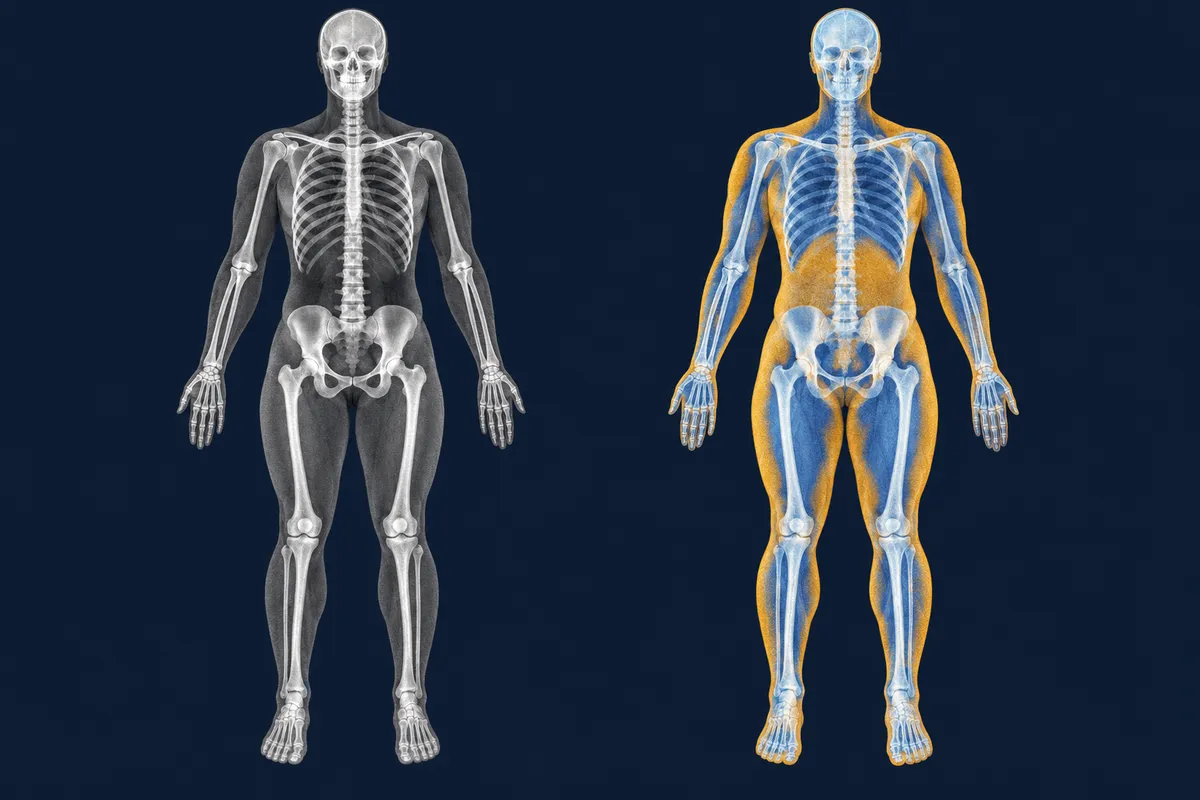
A tape measure around your waist is the simple version. A DEXA scan, a low-dose X-ray, goes further and estimates the fat stored deep around your organs, which is closely linked to blood sugar problems.
Cash price: $65 to $249
Continuous glucose monitor
A small sensor on your arm reads your blood sugar around the clock for up to about two weeks. It shows how food, sleep and exercise affect you. Good for learning, but talk to a doctor before acting on it.
Prices that clinics publish on their own websites, across all the cities we cover. Prices change, so confirm with the clinic.
Blood sugar in Portland, by the numbers
The rate of diagnosed diabetes in Portland is lower than the national rate. About 1 in 10 adults in Portland have been diagnosed with diabetes, compared with about 1 in 8 nationally. That adds up to roughly 200,000 adults across six counties.
By county
| County | Diagnosed diabetes | Obesity | High blood pressure |
|---|---|---|---|
| Multnomah | 9.5% | 28.9% | 28.5% |
| Washington | 9.9% | 32.4% | 29.9% |
| Clark | 9.6% | 35.3% | 31.1% |
| Clackamas | 10.5% | 34.0% | 32.1% |
| Yamhill | 11.2% | 37.0% | 33.2% |
| Columbia | 12.1% | 33.5% | 34.9% |
| Portland | 9.9% | 32.3% | 30.3% |
| United States | 12.1% | 33.2% | 34.4% |
Source: CDC PLACES, 2023 county estimates. Portland = Multnomah, Washington, Clark, Clackamas, Yamhill and Columbia counties, weighted by adult population.
longevityclinicshub.comThe good news: prediabetes often doesn't have to become diabetes. That's why the simple tests above are worth doing early, even when you feel fine.