Philadelphia clinics›Medical weight loss
Philadelphia · Guide · Medical weight loss

Medical weight loss in Philadelphia

Your weight is one number, and it leaves a lot out. Here's which tests show what it's doing to your health, where weight loss medicines fit, and which Philadelphia clinics offer medical weight care.

Main tests
Weight, waist and blood pressure Plus blood sugar and a cholesterol panel
What you do
Measurements and a blood draw Sometimes a scan
You get
What your weight is doing to your health And a plan for eating, activity and any medicine
Philadelphia photograph by Catherine Kerr · Unsplash

The tests, in plain English

Start with your regular doctor and the basics: your weight, waist size, blood pressure, blood sugar and a cholesterol panel. Together they show whether your weight is affecting your health. A body scan or a metabolic rate test can add detail. Medicines, including GLP-1 drugs, are an option for some people, alongside changes to eating and activity.

Think of your weight like the balance on a bank statement. It tells you the total, but not where it's going. These tests read the line items: how much of you is fat, where it sits, and what it's doing to your blood sugar, blood pressure and liver.

Weight, BMI and waist

BMI, body mass index, compares your weight with your height. It's a quick screen, but it can't tell fat from muscle or show where fat sits. A waist over 35 inches for women or 40 for men is linked to more health problems.

Blood sugar (A1C)

Shows your average blood sugar over the past two or three months.

Blood pressure and cholesterol

Extra weight can raise your blood pressure and add to the conditions that lead to heart disease.

Liver tests

Fatty liver, when extra fat builds up inside the liver, most often affects people with extra weight.

Thyroid test

An underactive thyroid can bring weight gain and tiredness, but both are common and often have other causes.

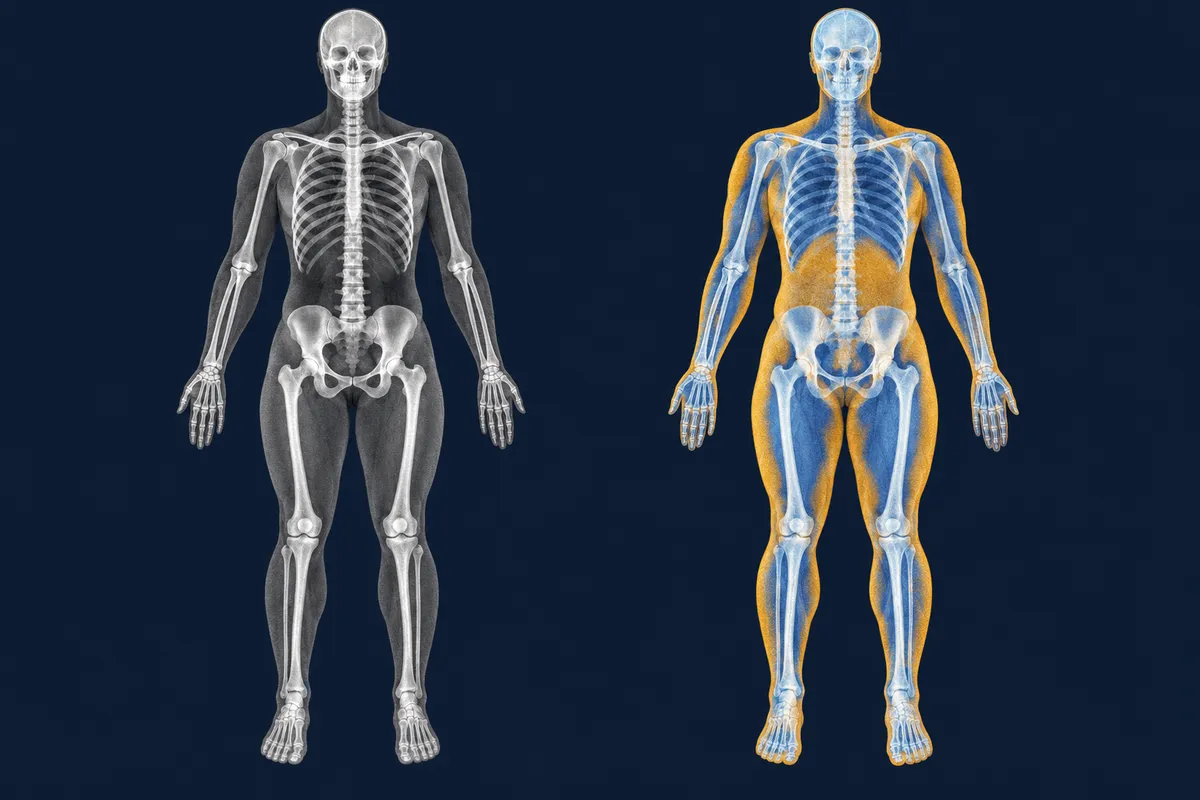
Body composition (DEXA)

A low-dose X-ray scan that splits your weight into fat, muscle and bone, region by region.

Cash price: $65 to $249

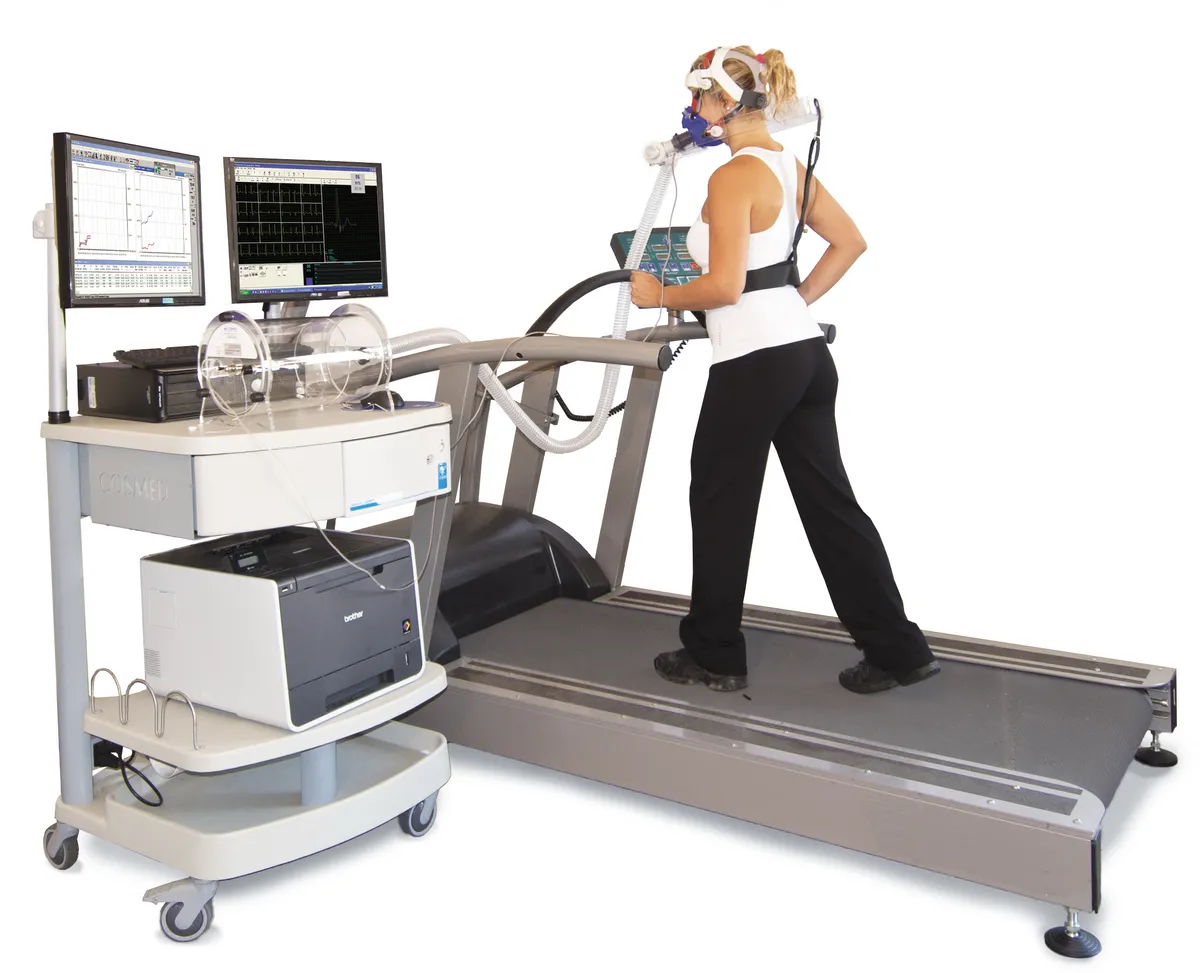
Resting metabolic rate

Measures how many calories your body burns at rest, by reading your breath while you lie still.

Cash price: $50 to $300

Prices that clinics publish on their own websites, across all the cities we cover. Prices change, so confirm with the clinic.


Showing 3 clinics that address medical weight loss in Philadelphia

How we order clinics
Dr. Charlie Seltzer, Dr. Charlie Seltzer Lifestyle Medicine

Dr. Charlie Seltzer Lifestyle Medicine

Walnut Street, Philadelphia
Advanced diagnostics & emerging careMidlife & menopauseHormones & energy

Dr. Charlie Seltzer Lifestyle Medicine is a Center City Philadelphia practice run by Dr. Charlie Seltzer, MD, board certified in obesity medicine and internal medicine. Alongside medical weight loss, personal training and a primary care membership programme, it offers testosterone therapy, women's hormone replacement therapy with bioidentical estrogen and progesterone, and physician-prescribed peptide therapy. Led by Dr. Charlie Seltzer, MD.

Services

Peptide therapy Menopause hormone therapy Testosterone therapy
See if it’s a fit
Robert Fortino, DODr. Elizabeth Pancrazio

Dr. Robert Fortino, Medical Weight Loss

S. Broad Street, South Philadelphia
Medical weight lossHormones & energy

Dr. Robert Fortino, Medical Weight Loss is a medical weight loss practice on S. Broad Street in South Philadelphia, where Robert Fortino, DO, a board-certified internal medicine physician, sees patients with nurse practitioners and nurses. It offers semaglutide, tirzepatide and phentermine weight loss treatment, testosterone replacement therapy, vitamin injections and seca body composition analysis. Led by Robert Fortino, DO.

Services

GLP-1 weight loss program Bioimpedance body composition Health & nutrition coaching Testosterone therapy +1 more
See if it’s a fit

Philadelphia Medical Group

Roosevelt Blvd, Northeast Philadelphia
Advanced diagnostics & emerging careMen’s health & testosteroneHormones & energy

Philadelphia Medical Group is a medical wellness and weight loss clinic at 8400 Roosevelt Blvd. in Northeast Philadelphia. It offers testosterone replacement therapy for men by in-clinic injection with lab monitoring, injectable peptide therapy, NAD+ and Myers' Cocktail IV drips, vitamin B12 and lipotropic injections, and a medical weight loss program tracked with 3D body scans.

Services

Peptide therapy IV vitamin therapy NAD+ therapy Testosterone therapy +1 more
See if it’s a fit

How a weight care visit usually goes

  1. Your history first

    How your weight has changed, what you've tried, your medicines, sleep and family history.

  2. The testing

    Usually measurements and a blood draw, sometimes a scan. Ask what's included and what costs extra.

  3. Your results, explained

    What your weight is doing to your blood sugar, blood pressure and liver, and what may be behind it.

  4. A plan and a date

    Eating, activity, sleep, any medicine, and when to check in again. Ask if your doctor gets a copy.

If you gain weight fast with swollen feet or shortness of breath, or lose weight you can't explain, see your doctor soon. That needs a diagnosis, not a weight program.

Go deeper

Common questions

Which clinics in Philadelphia address medical weight loss?

3 in our Philadelphia guide: Dr. Charlie Seltzer Lifestyle Medicine, Dr. Robert Fortino (Medical Weight Loss) and Philadelphia Medical Group.

My BMI says I'm overweight, but I'm muscular. Does it still count?

Maybe less than it looks. BMI can't tell fat from muscle or show where fat sits, so doctors read it alongside other signs, like your blood pressure. Your waist size adds a lot, and a DEXA scan can show how much of your weight is actually fat.

What about GLP-1 weight loss medicines?

They copy a gut hormone that makes you feel full. Several are FDA-approved for adults with a BMI of 30 or more, or 27 or more with a weight-related condition. With a lifestyle program, people lose more than with lifestyle alone. Nausea is common, and weight often returns after stopping.

Are compounded versions the same as the approved medicines?

No. Compounded drugs are mixed by a pharmacy, and the FDA doesn't review them for safety, effectiveness or quality before they're sold. It has received reports of people taking the wrong dose, some needing hospital care. If you're prescribed one, the FDA advises filling it at a state-licensed pharmacy.

I just want a DEXA scan. Where do I start?

Our DEXA scan page lists the clinics near you that offer it. If you plan to repeat it to track your progress, ask how often makes sense and who will go over the results with you.

What does this cost, and will insurance cover it?

It varies. Blood sugar, cholesterol and blood pressure checks are often covered when your doctor orders them. Body scans and metabolic rate tests are usually self-pay, and coverage for weight loss medicines depends on your plan. Our guides on cost and insurance go deeper.

How do you decide which clinics appear on this page?

A clinic appears here when its own published material shows it offers this kind of care at that location.

Sources (16)
  1. U.S. Preventive Services Task Force, Weight loss to prevent obesity-related morbidity and mortality in adults: behavioral interventions (2018)
  2. Centers for Disease Control and Prevention, About body mass index (BMI)
  3. National Institute of Diabetes and Digestive and Kidney Diseases, Waist circumference (health dictionary)
  4. National Institute of Diabetes and Digestive and Kidney Diseases, Health risks of overweight and obesity
  5. Centers for Disease Control and Prevention, Diabetes testing
  6. National Institute of Diabetes and Digestive and Kidney Diseases, Insulin resistance and prediabetes
  7. National Institute of Diabetes and Digestive and Kidney Diseases, Diagnosis of NAFLD and NASH
  8. National Institute of Diabetes and Digestive and Kidney Diseases, Hypothyroidism (underactive thyroid)
  9. MedlinePlus, Weight gain (unintentional)
  10. MedlinePlus, Weight loss (unintentional)
  11. Centers for Disease Control and Prevention, NHANES dual-energy X-ray absorptiometry (DXA) whole body data documentation
  12. Direk and colleagues, The relationship between DXA-based and anthropometric measures of visceral fat and morbidity in women, BMC Cardiovascular Disorders, 2013
  13. Frankenfield and colleagues, Comparison of predictive equations for resting metabolic rate in healthy nonobese and obese adults: a systematic review, Journal of the American Dietetic Association, 2005
  14. National Institute of Diabetes and Digestive and Kidney Diseases, Prescription medications to treat overweight and obesity
  15. MedlinePlus, GLP-1 agonists
  16. U.S. Food and Drug Administration, FDA's concerns with unapproved GLP-1 drugs used for weight loss

This page is educational information, not medical advice, and it is not a recommendation to have or to skip any test or treatment. What is worth testing depends on your age, your history and your health, so discuss it with a clinician who knows them. If you gain weight quickly with swelling or breathlessness, lose weight you can't explain, or have another symptom that concerns you, seek a medical evaluation rather than a weight program.

More healthy years, for you and your family

One short email a week, with plain-English ideas from longevity science that you can actually use.

Free. Unsubscribe anytime.