How third-party lab testing works at longevity clinics
A longevity clinic does not need to own the laboratory that analyzes your blood. The clinic may order the tests, a national or specialty lab may collect and process the sample, and a clinician may interpret the report. Those are separate jobs, and a good program tells you who handles each one.
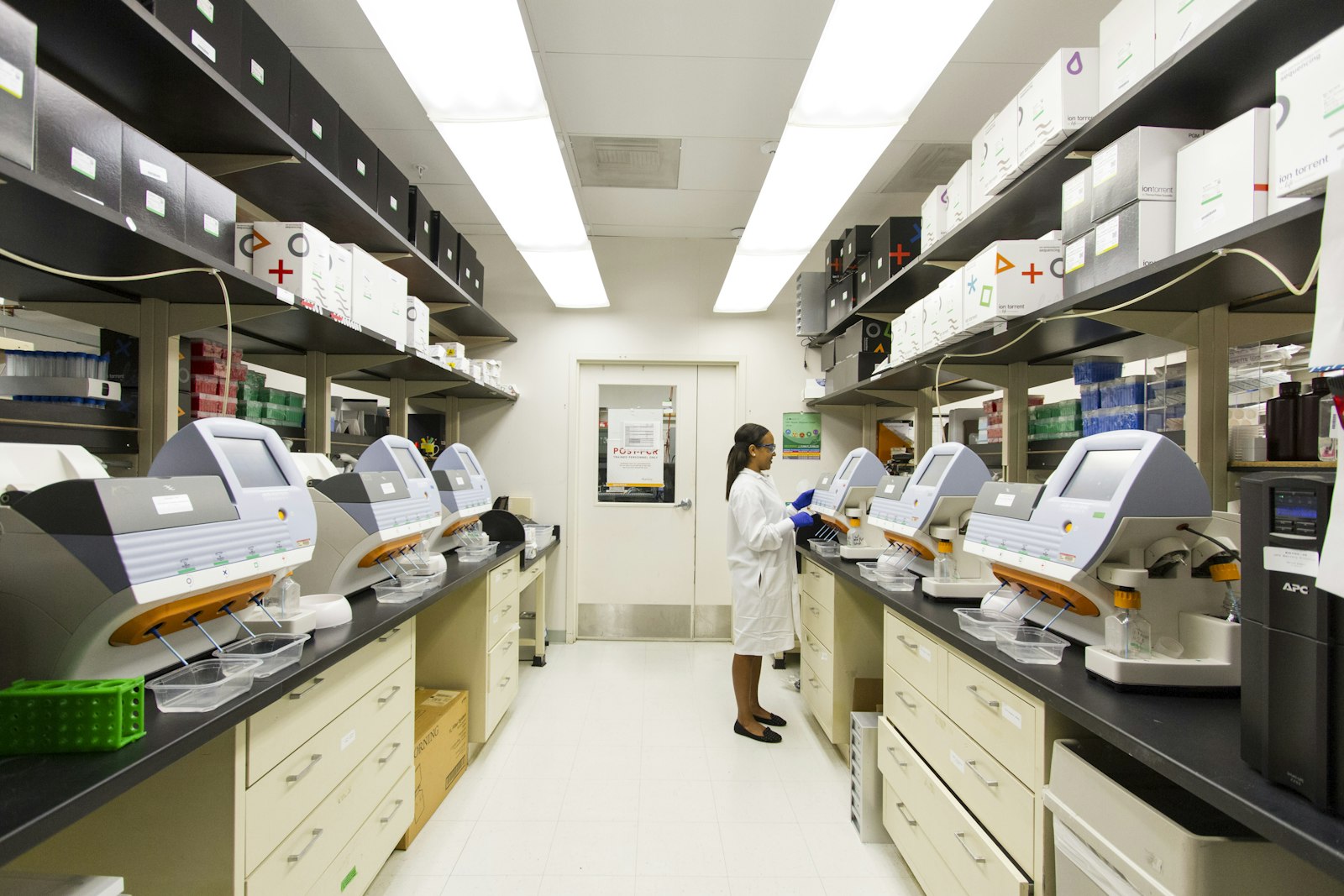
- Think of a restaurant: the chef designs the menu but does not own the farm. A clinic using Quest or Labcorp is normal. What matters is whether anyone takes responsibility for the finished plate.
- One panel can involve five organizations: program design, ordering, collection, analysis and interpretation can each sit with a different party.
- CLIA certification is a federal quality floor for laboratories. It says the lab meets quality standards; it does not say the panel was a good idea for you.
- Always ask for the original laboratory report, not just the app view. The original preserves the performing lab, units and reference ranges your other doctors need.
Your blood is drawn in a small office on a Tuesday morning and analyzed somewhere you will never see, possibly in another state, by a company whose name is not on the door. That is normal, and it is not a warning sign. But it does mean five separate jobs are being done by up to five different organizations, the way a flight booked on one website can be operated by a second airline and handled on the ground by a third. Nothing is wrong with that arrangement until something goes missing and you have to work out who is answerable. Once you can see the five jobs, most of the confusing sentences on a clinic's website become easy to decode.
The five steps, and who may own each one
1. Selecting and ordering. The clinic or platform decides what is in the panel, and an authorized clinician typically places the order. The useful question is not "can I buy this?" but "who decided this test is appropriate, and who is responsible for acting on it?"
2. Collecting the sample. Collection can happen in the clinic, at a national patient service center such as Quest Diagnostics or Labcorp, through a mobile phlebotomist, or at home for tests designed for home collection. A clinic that sends you to a nearby Quest is not running a clinic inside Quest; it is using Quest as a collection and laboratory partner.
3. Transporting and processing. The sample is labeled, stored and shipped under conditions the ordered tests require, and the performing laboratory runs the assays. In the United States, the Clinical Laboratory Improvement Amendments, usually shortened to CLIA, set federal quality standards for most human laboratory testing. CMS regulates the program with support from CDC and FDA. One caution: CLIA speaks to laboratory quality, not to whether ordering a particular commercial panel was a good clinical decision. Nor is CLIA certification the same as FDA review of an individual test, since many specialty assays are laboratory-developed tests, which have historically had limited premarket review.
4. Reporting. The lab reports results with its own methods, units and reference ranges, flowing into the clinic's record, a third-party app, or both. Ask whether you receive the original laboratory report. The simplified dashboard is easier to read; the original preserves what your other clinicians need.
5. Interpreting and following up. The laboratory measures. A clinician interprets, in the context of your history and everything else on the page. Software organizes information; it does not make a medical plan. Know whether the reviewer is a physician, a nurse practitioner, a dietitian or a dashboard before you pay, a distinction we unpack in what happens after the results.
One panel, several organizations
| Part of the experience | Possible organization | What to clarify |
|---|---|---|
| Program design | Longevity clinic or health platform | Is the panel standardized or personalized? |
| Ordering | Clinic clinician or authorized ordering network | Who is the ordering professional? |
| Collection | Clinic, Quest/Labcorp location, mobile service, home kit | Where do you go, and how do you prepare? |
| Analysis | National or specialty laboratory | Which lab performs each test, and is it CLIA-certified? |
| Dashboard | Clinic or technology vendor | Can you also download the original report? |
| Interpretation | Clinic clinician or contracted network | What appointment is included, and who owns follow-up? |
When those roles are compressed into "we test your blood," it is easy to assume one company owns every step. It usually does not, and that is fine, as long as the chain is visible.
Is outsourcing a weakness?
Not by itself. Large independent laboratories have infrastructure, logistics and quality systems no individual clinic could reproduce, and specialty labs offer assays a national general lab does not run. The meaningful questions are whether the performing laboratory is named, the right sample is collected under the right conditions, the methodology suits the intended use, the clinic receives the complete report, a qualified clinician interprets it, and a clear path exists for confirmation and follow-up.
A laboratory partner is not a red flag. A hidden care pathway is.
Home kits, turnaround and state lines
Routine chemistry comes back quickly; specialty tests can take longer because samples ship to a different lab, run in batches or need complex processing. Ask when the review appointment happens and what happens if only part of the panel is ready.
Home collection is convenient, but not every test is suited to a finger-prick, saliva or dried-blood-spot kit. Sample type, stability and method all matter, so do not assume a home version and a conventional venous draw are interchangeable just because they share a marker name. And "available nationwide" deserves a second question: telehealth and testing rules vary by state, so the collection network may be national while the clinical review depends on where a licensed clinician can actually see you.
Billing, insurance and the advertised price
Third-party testing gets paid several ways: bundled into a program price, charged separately by the clinic, billed by the laboratory, submitted to insurance when clinically indicated, or paid fully out of pocket. Ask whether the advertised price includes the order, the collection fee, the laboratory fee, the clinician review and repeat testing. "Labs included" can still exclude specialty add-ons and follow-up.
Ten questions before ordering
- Which laboratory performs the tests?
- Where is the sample collected?
- Who is the ordering clinician?
- Who interprets the results?
- Do I receive the original laboratory report?
- Which results are direct measurements, calculations or proprietary scores? (See measured vs derived biomarkers.)
- What exactly is included in the price?
- What happens if a result needs confirmation or specialist care?
- Can my existing doctor receive the results?
- Is the same method available later for trend tracking?
Sources
Common questions
Is the testing done by the clinic or by Quest and Labcorp?
Often both. The clinic can design, order and interpret the panel while Quest, Labcorp or a specialty laboratory collects and analyzes the sample. Each program publishes, or should publish, its own workflow. Ask which lab performs which tests.
Can I use a laboratory location near me?
Many national programs use broad collection networks, but availability depends on the ordered tests and your location. Specialty tests and home kits often follow a different process from routine chemistry.
Who owns my results?
Access and record handling depend on the organizations involved and applicable law. The practical version of the question: will you receive downloadable original reports, and how do you request your records? Get that answer before purchasing.
Will insurance cover third-party laboratory testing?
Coverage depends on your plan, the test and its clinical indication. A program can be entirely self-pay even when the same laboratory performs insurance-billed testing in other contexts. Confirm with both the program and your insurer.
Prepared by the LongevityClinicsHub editorial team. Evidence last checked August 2026. How we research and source these guides.
Enter your ZIP code and we'll point you at the nearest city we've researched.
This guide is independent editorial content, written to orient, not to diagnose. It is not medical advice, and it is no substitute for a conversation with a licensed physician who knows your history. Where we describe what clinics claim, the claim belongs to the clinic.
Educational reading, not medical advice. Talk to a clinician about your own health.